

Complete your selection
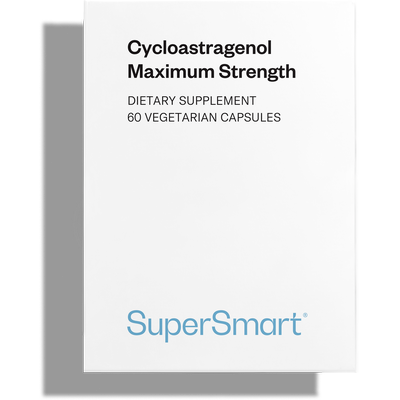
Astragaloside IV is an anti-ageing supplement in vegetarian capsules with several beneficial properties, particularly immunostimulant, anti-inflammatory, antioxidant and anti-glycation. Its exceptional properties are due to astragaloside's specific ability to activate telomerase, thus slowing down the shortening of telomeres, and extending cell lifespan. Shortening of telomeres is associated with cellular ageing and the development of age-related diseases.
How is Astragaloside IV obtained?
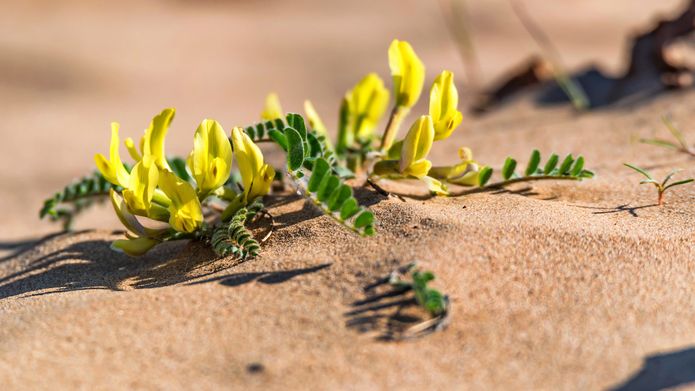
Astragaloside IV is present in minute amounts in the root of Astragalus (Astragalus membranaceus), a plant particularly valued in traditional Chinese medicine. Through a highly complex and expensive process, it is extracted and concentrated in order to obtain an active amount. Commercially available products sold in the form of powder or astragalus extract do not contain detectable amounts of Astragaloside IV. Astragalus root has been prescribed for centuries as a tonic, as well as to treat a wide range of diseases, to prevent weakness in patients and to protect them against infection.
What are the benefits associated with Astragaloside IV capsules?
Astragalus root contains, amongst others, a series of cycloartane glycosides called astragalosides I to VII. The most widely studied of these, in Chinese and European research centres, is astragaloside IV. Studies suggest, amongst others, that astragalus root extract and astragaloside IV have the following properties:
- Immunostimulant: acting through a number of different pathways, especially by increasing the number of stem cells in the spinal cord and lymphatic tissue and encouraging them to develop into active immune cells and by stimulating the production of immunoglobulins and macrophages;
- Anti-inflammatory: as shown in certain animal models. The ability of astragaloside IV to stem inflammation of the airways in chronic asthma has been reported in studies on mice.
- Antibacterial: as demonstrated by in vitro studies on Shigella dysenteriae, Streptococcus haemolyticus, Diplococcus pneumoniae and Staphylococcus aureus.
- Antiviral: inhibiting replication of certain viruses such as coxsackie, responsible for myocarditis (inflammation of the heart muscle). In both animal and human studies, they were shown to stimulate endogenous interferon production and to maximise its effect on viral infections.
- Antioxidant: inhibiting lipid peroxidation by 40% in vitro. These antioxidant properties may go some way to explaining the cardio- and neuroprotective effects of astragalus and astragaloside IV.
- Cardioprotective: with studies highlighting health benefits for patients with congestive cardiac insufficiency and angina pectoris. Astragalus extracts have a cardiotonic effect.
- Neuroprotective: in traditional Chinese medicine, astragalus root extract is used to treat neurodegenerative diseases. One study demonstrated the capacity of astragaloside IV to protect dopaminergic neurons.
Buy Astragaloside IV to fight cellular ageing.
What is in Astragaloside IV 98%
Any questions?
Our team of nutrition experts and scientists has the answers.
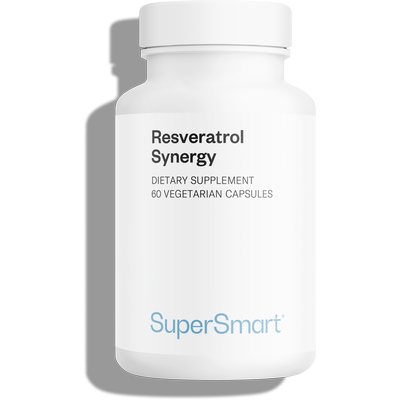
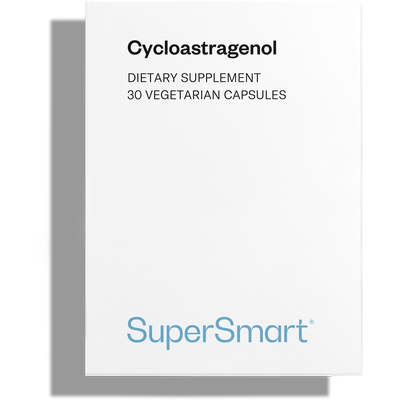
Telomere shortening is currently one of the most widely studied areas of anti-ageing medicine. Along with astragaloside IV, there's a number of natural active principles available to buy at Supersmart, that have been identified for their ability to protect telomeres or stimulate telomerase. Two such ingredients are cycloastragenol and resveratrol. Other beneficial compounds, such as vitamins C and E, carnosine and several natural antioxidants, have also been included in the enhanced formulation Telomeres Maintenance Formula. The shortest telomeres have been observed in octogenarians. Research also suggests that individuals aged 60 or older with the shortest telomers appear to be at significantly higher risk of death from infectious disease or heart attacks. Conversely, studies have shown that stimulating telomerase may significantly increase cell lifespan.
This product’s capsules are composed of HPMC (hydroxypropyl methylcellulose), a plant substance derived from cellulose. HPMC is widely used for medicines and dietary supplements. It contains no animal ingredients, is recognised as safe by health authorities and is considered more sustainable than synthetic alternatives.
february 22 2026
I really like this product that I would order again.
 Translated by SuperSmart
october 15 2025
It must be taken for many months before feeling the result.
Translated by SuperSmart
june 6 2025
It's fine.
Translated by SuperSmart
june 5 2025
Hello, I don't have enough perspective to give an objective opinion. I only started on May 12, 2025. Thank you for your understanding. Best regards.
Translated by SuperSmart
december 13 2024
I have been buying it for over a year because of its quality and effectiveness.
Translated by SuperSmart
Need help?
You may also like
of experience
your money back
##montant## purchase