Complete your selection
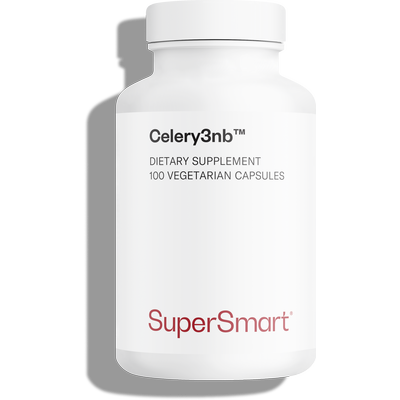

Fructo-Oligosaccharides is a sugar beet-sourced dietary fibre supplement produced by a French company using a bioconversion process. It offers confirmed prebiotic effects at doses starting at 5g-10g a day, that’s just 1-2 teaspoons of the supplement.
What are fructo-oligosaccharides?
Fructo-oligosaccharides are plant-source carbohydrate polymers and a source of dietary fibre.
They are compounds which are neither digested nor absorbed in the small intestine and which have at least one of the following effects:
- Increased stool production (without diarrhoea).
- Stimulation of colonic fermentation. Fermentation of fibre helps modify the gut flora and produce a large amount of short-chain fatty acids, especially butyrate which is thought to play a role in healthy colonic mucosa function.
- Reduced fasting cholesterolaemia.
- Reduced blood sugar and/or post-prandial insulinaemia .
Many epidemiological and clinical studies have demonstrated the health benefits obtained by significantly increasing consumption of dietary fibre, benefits related primarily to its effects on microbiota balance as well as to the bacterial fermentation it encourages, during which short-chain fatty acids are produced in the gut.
What are the benefits provided by fructo-oligosaccharides?
Fructo-oligosaccharides are not only a source of dietary fibre; they are also prebiotic compounds. A prebiotic is defined as a “non-digestible food ingredient that beneficially affects the host by selectively stimulating the growth and/or activity of one or a limited number of bacteria in the colon” (1), and as such, supports digestive health (2). All prebiotics are considered dietary fibre but not all sources of dietary fibre are prebiotics.
In addition to these prebiotic effects, the supplement Fructo-Oligosaccharides helps provide other benefits:
- increasing the feeling of satiety;
- helping to maintain good cholesterol levels;
- normalising IBS symptoms;
- regulating inflammation markers.
How is the supplement Fructo-Oligosaccharides made?
Fructo-Oligosaccharides is produced by Tereos from sugar beet using a bioconversion process inspired by nature and guaranteed to be GMO-free. As in natural fermentation, the sugar is converted into fibre, by an enzyme produced by a carefully-selected microscopic fungus, Aspergillus niger.
Tereos are pioneers of oligofructose in Europe. Their know-how has enabled them to develop a high-quality product, the prebiotic effect of which has been recognised by the French authorities since 1996.
What is in Fructo-Oligosaccharides
Any questions?
Our team of nutrition experts and scientists has the answers.
This powdered supplement is offered in the purest form possible, unflavoured and unsweetened. When you choose this product, you are paying for and consuming active ingredients only, with no unnecessary additives (no sweeteners, artificial flavourings or added sugars). You can therefore consume it in the most natural way possible by simply mixing it with water, or you are free to personalise it : adding the sweetener of your choice, replacing the water with another drink (such as fruit juice), etc.
december 2 2024
Personally, I found it excellent. Taken together with probiotics, very useful for regularizing.
 Translated by SuperSmart
october 29 2024
EXCELLENT, I take it with the Kefir made by me.
Translated by SuperSmart
may 21 2024
not very effective, for me
Translated by SuperSmart
april 3 2024
Satisfied but a bit expensive
Translated by SuperSmart
march 26 2024
I like the little sweet taste but I don't quite understand its effect
Translated by SuperSmart
Need help?
of experience
your money back
##montant## purchase