
Dietary supplements: everything you need to know!
Lacking in vitamins or minerals? Painful joints blighting your life? Having difficulty sleeping? Dietary supplements could well prove helpful in cases such as these.

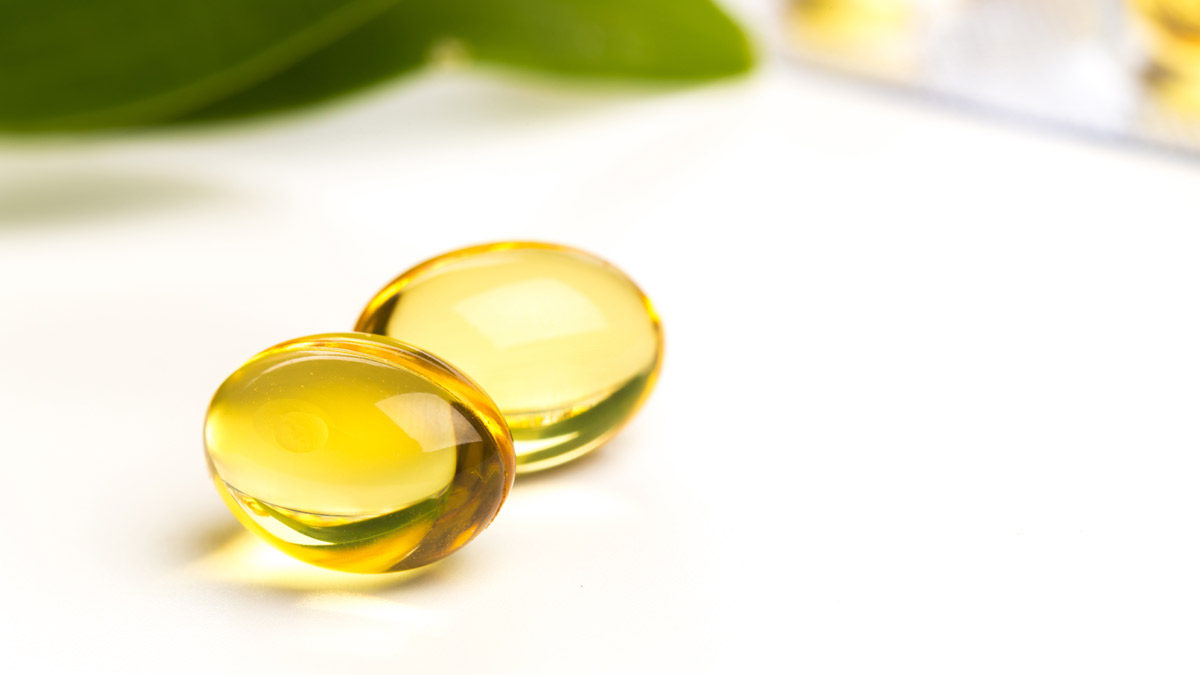
Are all supplements the same?
There is a vast selection of supplements on the market but unfortunately, not all of them conform to the same high standards. It is therefore vital to ensure you’re buying quality supplements - but how do you know which these are? First and foremost, you need to check that the product is labelled in accordance with legal requirements. The packaging should state that it is a nutritional or food supplement, and should list the product’s active principles and ingredients, as well as the recommended dose. The manufacturer must also include on the pack any warnings related to its use (in the case of allergies, for example). The list of ingredients should be easily accessible as it is this that tells you the exact composition of the product as well as the quality of its active principles and raw materials.
Are certain accreditations a guarantee of quality?
In addition to legally-imposed criteria, companies who make and/or sell dietary supplements can choose to set up a quality charter, the purpose of which is to guarantee quality raw materials and manufacturing processes with high added value. The main thing to look out for here are the abbreviations HACCP, HACCP + (ISO 20000) and GMP - but what exactly do these accreditations signify? They are proof that the manufacturer applies strict controls at every stage of the manufacturing process. They also ensure that quality ingredients are used in optimal proportions. These measures are not mandatory and represent a cost for the manufacturer which is why not all brands offer this additional guarantee.
Can dietary supplements replace medicines?
Even though supplements can provide relief, they are not meant to be a substitute for mainstream therapies, particularly where serious diseases are concerned. Neither should they be used in place of proper medical consultation in the case of severe pain, fever or any other symptom that needs professional investigation. Having said that, dietary supplements can form part of a therapeutic approach, complementing (and even replacing, under medical supervision) a drug-based treatment which may not be producing the desired effect. Some dietary supplements can therefore provide relief from chronic pain (such as in arthritis) in place of drug therapies which can bring side-effects.
Are dietary supplements safe?
The European Food Safety Authority (EFSA) defines dietary or food supplements as “concentrated sources of nutrients or other substances with a nutritional or physiological effect, whose purpose is to supplement the normal diet”. As such, they must meet certain criteria (in terms of labelling, for example), and in France, they must be registered with the Directorate-General for Competition, Consumer Affairs and Prevention of Fraud (DGCCRF). This is a body that verifies a product’s composition and is able to carry out checks. This framework having been established, dietary supplements are not considered to pose a risk to health and are thus sold over-the-counter. It’s important to note, however, that in some cases, supplements may not be recommended for women who are pregnant or breastfeeding, or for children.
Are dietary supplements effective?
Dietary supplements contain active principles, the majority of which have been the subject of extensive clinical study. Formulated from plants used for thousands of years in traditional medicine, or from active principles, minerals, trace elements and vitamins recognised for their health benefits, dietary supplements are not simply placebos (some supplements actually contain more natural active ingredients – primarily plants – than certain drugs). Their effects are very real. It is important, therefore, that they are used wisely and that medical advice is sought in the case of long-term disorders or medical treatment (due to the possibility of interactions with certain drugs). Taking dietary supplements may sometimes be inadvisable.
How do you target your needs?
Vitamin supplement, energy booster, fat-burner, sleep aid…? Before you give supplementation a try, define exactly what your needs and expectations are, as the choice of dietary supplements is huge. Try to find the product that most fits your profile, that really corresponds to what you need at the present time. If you wish to take several supplements concurrently, seek advice from a specialist (a naturopath, for example), since some substances’ efficacy can be reduced by taking them alongside other active ingredients. In all cases, make sure you comply strictly with the indications and restrictions on the label in terms of how long to take it and at what daily dose.




1083 Days
Great service
Great service
Ryszard
1095 Days
Profesjonalna obsługa
Bardzo dobre i rzeczowe opisy. Profesjonalna obsługa.
PIEKOSZEWSKI Chris
1763 Days
Wszystko OK!
Wszystko poszło jak powinno 🙂
SITKIEWICZ Pawel
2550 Days
Szybko sprawnie bez problemów
Szybko sprawnie bez problemów
Marek
of experience
your money back
##montant## purchase