
What’s the best type of chocolate for your health?
Milk, dark, white, fruity or spiced chocolate … What are the pros and cons of chocolate in terms of our health? Which type should you choose and which should you avoid?

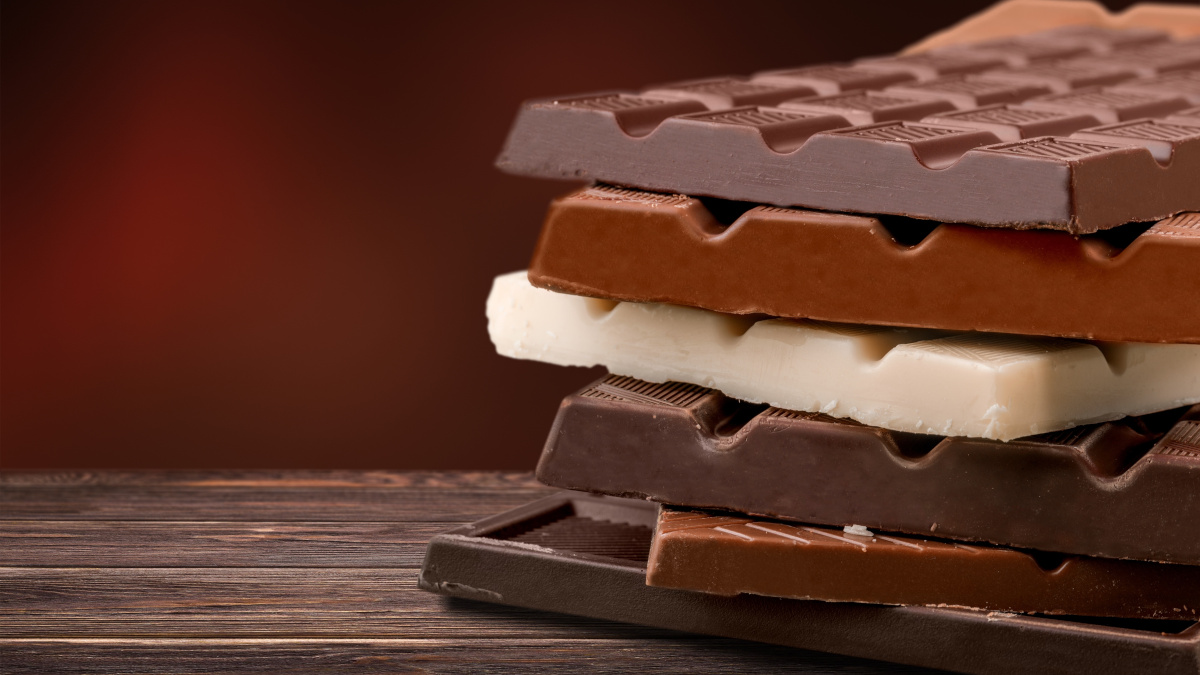
Chocolate: a treat that does you good
A gift from the gods to the Aztecs
Considered by the Aztecs of pre-Columbian America as a gift from the gods, cocoa, or Cacahuaquahuitl, was used to prepare drinks for society elites because of its stimulating and balancing medicinal properties.
One such drink, made by diluting cocoa paste in water, and adding chilli, corn, annatto and spices, was used as an offering at religious ceremonies and given the sweet name of … Tchocolalt (1).
A bean with numerous active principles
With 50% fatty acid triglycerides (from which cocoa butter is made), 12% protein, almost 10% cellulose, 6% starch, 1% sugar, but also tannins, polyphenols, minerals, theobromine, caffeine, phenylethylamine and serotonin, as well as vitamins A, PP, E and D, the cocoa bean boasts energising, tonic, antidepressant and uplifting properties ... (2).
Even though some of the polyphenols in cocoa beans are destroyed during fermentation, a necessary step in chocolate production, chocolate still contains more polyphenols than either green tea or red wine (3-4)!
Health benefits of chocolate
Several studies have shown that eating a modest amount of chocolate each day lowers blood pressure and increases insulin sensitivity(5-6).
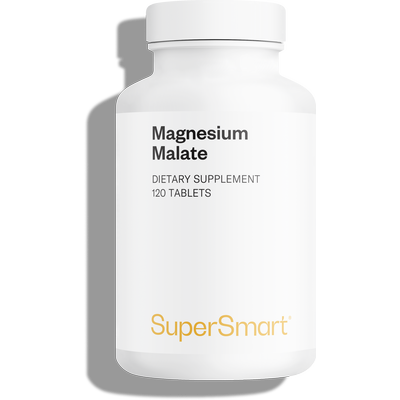
What’s more, chocolate is believed to have antidepressant benefits, due to its high content of magnesium (146mg/100g of 45%-60% chocolate; 500mg/100g of cocoa) as well as serotonin and theobromine, a stimulant alkaloid which affects mood (7).
Dark, milk, white chocolate ...? Watch out for the fat and sugar
Bitter dark chocolate: excellent for the health!
Bitter dark chocolate, containing at least 70% cocoa, 85%-90% if possible, is excellent for the health. Not only does it contain very few added sugars (most of the carbohydrates come directly from the cocoa), but its high cocoa content means you get maximum effect from the plant’s natural benefits.
And its bitter taste means you’re less likely to binge, helping you restrict your consumption to around 20g a day (approximately 2 squares).
Dark chocolate: be careful not to overdo it
Dark chocolate with less than 70% cocoa still provides bean-related benefits (magnesium, polyphenols, serotonin, etc.) However, as the cocoa percentage goes down, the amount of added sugar goes up. And according to the WHO, added sugars should not account for more than 5% of our daily calorie intake. So take care not to overdo it: no more than 2 squares a day.
Milk chocolate: for pleasure only
As well as cocoa, cocoa butter and sugar (a lot of sugar), milk chocolate contains … milk. As a result, the proportion of cocoa in the end product is very low… and the same goes for its benefits. For example, milk chocolate contains almost no polyphenols. In addition, it is relatively high in fat and sugar and should therefore be approached with caution!
White chocolate: it isn’t actually chocolate
Unlike dark and milk versions, white chocolate contains absolutely no cocoa solids! What it does contain is cocoa butter (the creamy substance around cocoa beans), dairy products or alternative vegetable fats. White chocolate isn’t even covered by the same European regulations as chocolate. It’s purely and simply a sweet with no benefits for health and should therefore be saved for a few special occasions.
Speciality chocolate: it depends
The same ‘rules’ apply to speciality chocolates (with fruit, spices, etc.) as to other forms: if it’s dark and bitter, it will offer the benefits of both the cocoa and the added fruit or spices. If, however, the chocolate in question is milk, or white, it should be regarded as a sweet treat and nothing more.
Some figure-friendlier sources of antioxidants (and other substances)
Cocoa then, is certainly very good for our health, and as a consequence, chocolate can be too. But it’s important not to over-indulge.
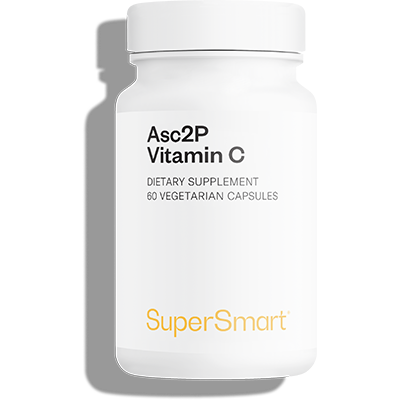
To stock up on antioxidants, serotonin, vitamins (especially the highly antioxidant vitamins C and E) and magnesium, we fortunately have many fresh fruits and vegetables at our disposal (particularly kiwi fruit, red cabbage, raw beetroot, lamb’s lettuce, etc. which are high in both vitamin C and beta-carotene, another powerful antioxidant and vitamin A precursor).
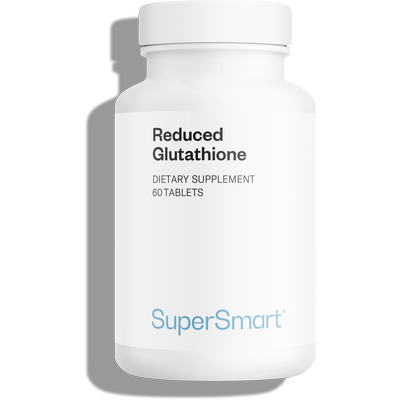
And make sure you regularly include prawns in your diet, as they’re rich in astaxanthin, a pigment from the carotenoid family, as well as asparagus, broccoli, cabbage, spinach, etc. which contain the amino acids that make up glutathione, a molecule also recognised for helping to combat oxidative stress.
SUPERSMART ADVICE





7 Hours
everything was well communicated and…
everything was well communicated and delivery was very fast,
Sandra
21 Hours
On-time delivery
On-time delivery, very friendly delivery driver, excellent product.
Chalise
3 Days
client since 16 years
client since 16 years; and always satisfied with choice, quality and service
Hans Meijer
6 Days
You deliver not only the great product
You deliver not only the great product, but so many useful information plus the fast delivery.
Gabi
7 Days
Parfait
Parfait, expedition rapide
Coco Boue
9 Days
Excellent quality products
Excellent customer service & quality products 💓
Giovanna Escalera
10 Days
Good product
Good product. The amount of active ingredients is high.
João
13 Days
Excellent choice
Excellent products that are not contaminated by containing heavy metals or other unwanted ingredients
KOUSVELARIS Matthew
16 Days
Great products
Great products, great service, great sales team. They are an excellent company, staffed by wonderful people. Go France
HARDY Chris
16 Days
Quick delivery
Quick delivery
Caroline Saelens
17 Days
High quality
In my experience the products will not disappoint you.
Fred Laan
20 Days
Super smart is really…super !
I would like to share my excellent experience with the company’s fast and efficient customer service. Even though I was calling from abroad, I was able to reach them relatively quickly. They responded to all my emails promptly and kept me consistently informed about the status of my order. When I needed assistance correcting a mistake I had made with my order, Ms. Lorie handled the issue immediately and very professionally. Thanks to their support and efficiency, I received my Super Smart products in Greece much faster than expected. Thank you very much for the outstanding service!
Kazanti Kleopatra
23 Days
Ordering and delivery is easy and fast
Ordering and delivery is easy and fast
Peter
25 Days
Simple and quick :-)
My order was delivered quickly, and I'm satisfied with the product! It was lot less fuss compared with some things I've ordered.
DEL Jacqueline
25 Days
Excellent quality products & customer…
Excellent quality products & customer service & care …thank you!
Giovanna Escalera
of experience
your money back
##montant## purchase