
Resveratrol: the benefits and side-effects of this ‘fountain of youth’
Resveratrol is a powerful and beneficial polyphenol found at high levels in grapes - and therefore wine. Discover its effects and in which circumstances to either prioritise or avoid it.

What exactly is resveratrol?
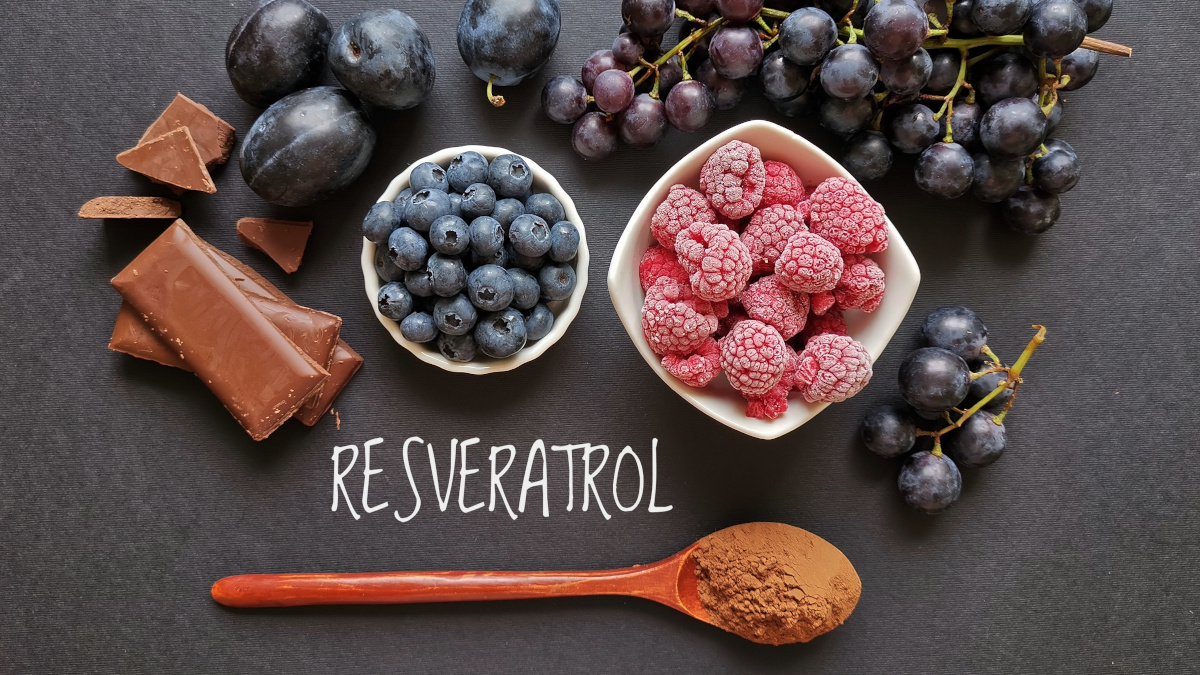
Resveratrol is an active ingredient found in grapes, blackberries and peanuts.
It is also found at significant levels in wine: as a constituent of the grape’s skin and seeds, it passes into grape juice during the production of wine.
Resveratrol is primarily known for its protective effects on the cardiovascular system and is thus a key area of interest in anti-ageing research. It is also frequently mentioned in connection with the famous ’French Paradox’. But what exactly does this term signify?
Resveratrol and the ‘French Paradox’
In the 1960s, British epidemiologists observed that there was a higher incidence of cardiovascular health issues among the population of Britain compared with that of France. This, despite the fact that French cuisine is famous for containing generous amounts of fat. Thus the origin of the famous paradox lies in these logic-defying observations.
In 1992, two researchers, Serge Renaud and Michel de Lorgeril, published a study suggesting that the ‘French Paradox’ could be explained by the high content of polyphenols (including resveratrol) in the fruit, vegetables, olive oil and wine routinely consumed in France(1).
While certain aspects of the study require further perspective, this research was largely responsible for raising awareness of the virtues of resveratrol, sometimes referred to as the ‘fountain of youth’. And it remains the beneficial polyphenol most associated with the French diet.
Does resveratrol pose any risks?
In actual fact, very few risks have been associated with resveratrol. Nevertheless, it’s important to be aware that some do exist.
Adverse effects on certain cancer treatments
Some conventional treatments for cancer are based on an oxidant effect of the body’s cells. Taking resveratrol at the same time as such treatments may mean that the polyphenol’s antioxidant properties have an inhibitory effect on the cancer treatment.
Interactions with other drugs
Resveratrol can sometimes exert an anticoagulant effect on the body (2). It’s therefore important that your doctor knows you are taking resveratrol if he or she has prescribed you medication with the same effect.
In the same vein, if you are taking supplements that thin the blood, check with your doctor before simultaneously supplementing with resveratrol.
As a general rule, taking resveratrol is contraindicated before surgery.
Potential side-effects
The majority of people who regularly supplement with resveratrol demonstrate good tolerance. However, certain side-effects have been noted, including gastrointestinal problems.
A very favourable risk-benefit ratio
Overall, resveratrol remains an active ingredient with many benefits for cardiovascular health. Apart from eating foods rich in this polyphenol, which resveratrol supplements should you take?
Choosing the right resveratrol supplement
A number of formulations are available catering for a wide range of needs:
- pure extract of resveratrol. The natural supplement Resveratrol 20mg, for example, contains resveratrol obtained from organically-grown red grapes and Polygonum cuspidatum, and comes in the form of 100% vegan capsules;
- you also have the choice of taking a synergistic formulation containing several active ingredients. With Resveratrol Synergy, you get the benefits of a mix of powerful, natural compounds (transresveratrol, quercetin, fisetin...) boosted by the addition of vitamin C;
- or you could supplement daily with Trans-Resveratrol, obtained exclusively from Polygonum cuspidatum (also known as Hu Zhang) ;
- and last but definitely not least, there’s pterostilbene, a double methylated version of resveratrol with 2-4 times greater cellular absorption than standard resveratrol.
References
- Renaud S, de Lorgeril M. Wine, alcohol, platelets, and the French paradox for coronary heart disease. Lancet. 1992 Jun 20;339(8808):1523-6. doi: 10.1016/0140-6736(92)91277-f. PMID: 1351198.
- https://www.mskcc.org/cancer-care/integrative-medicine/herbs/resveratrol


5 Days
Prodotti eccezionali
Prodotti eccezionali! Consegna rapida e precisa
paola
15 Days
Heldere info
Heldere info
HanS.
15 Days
Snelle levering
Snelle levering
harrie
21 Days
Adequate info en hoge kwaliteit
Adequate info en hoge kwaliteit
HanS.
31 Days
Supplementen zijn goed.
Supplementen zijn goed. Zachte prijzen. Website met problemen ( altijd ) niet goed voor nieuwe klanten.
Gino RJ
40 Days
Alles op tijd geleverd.
Alles op tijd geleverd. De producten worden alsmaar duurder, terwijl mijn pensioen niet meer stijgt. Vandaar kan ik alsmaar minder vaak bestellen.
Wouters
1110 Days
Great service
Great service
Ryszard
1123 Days
Profesjonalna obsługa
Bardzo dobre i rzeczowe opisy. Profesjonalna obsługa.
PIEKOSZEWSKI Chris
1791 Days
Wszystko OK!
Wszystko poszło jak powinno 🙂
SITKIEWICZ Pawel
2578 Days
Szybko sprawnie bez problemów
Szybko sprawnie bez problemów
Marek
of experience
your money back
##montant## purchase