
Physical activity and intestinal microbiota influence each other
A recent meta-analysis highlights a close link between physical activity and the intestinal microbiota. These two pillars of our health influence each other, suggesting a promising bidirectional relationship in terms of prevention and performance... The intestinal microbiota is increasingly referred to as an organ in its own right. And with good reason: this invisible ecosystem is thought to play a central role in our body's overall balance.

The intestinal microbiota: a major player in our health
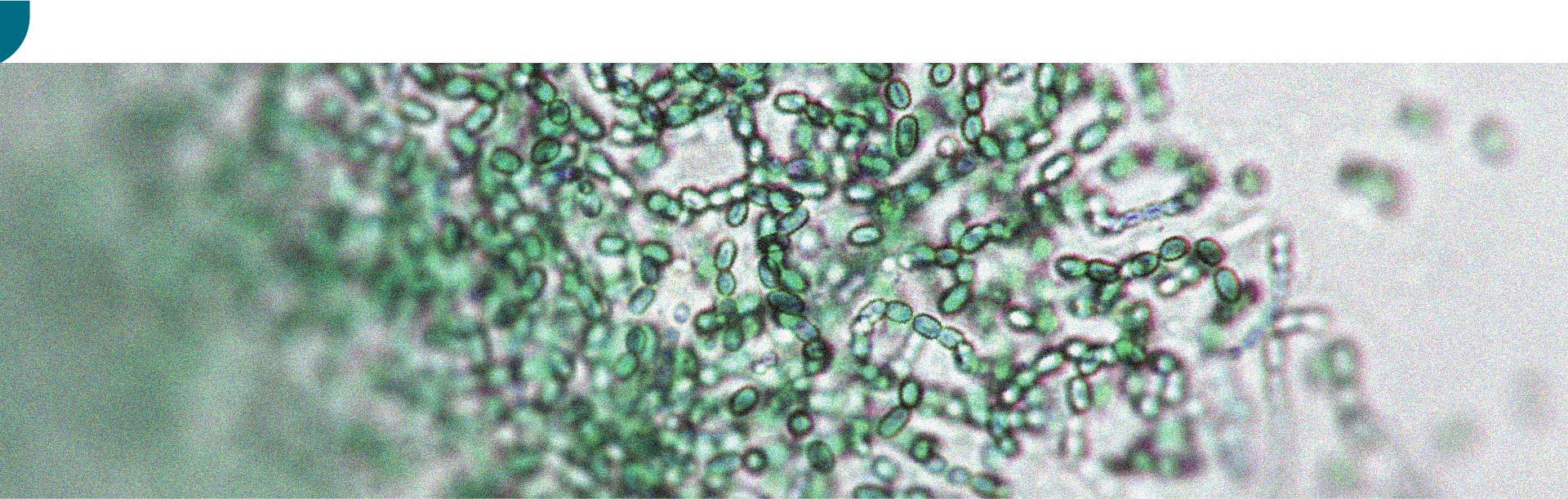
The intestinal microbiota is made up of several billion microorganisms (bacteria, fungi, viruses, etc.) that live together in our digestive tract, mainly in the colon.
This intestinal flora is involved in a number of essential functions: breaking down dietary fibre and synthesising vitamins (such as vitamin K or certain B vitamins), modulating the immune system, protecting against pathogens, etc. (1).
It is also involved in the production of metabolites with beneficial effects, such as short-chain fatty acids (SCFAs) (2).
The microbiota could also influence our mood via the gut-brain axis (3).
An imbalance in the microbiota (known as dysbiosis) is now associated with various digestive, metabolic and inflammatory disorders: digestive problems, chronic inflammation, weight gain, autoimmune diseases, etc.
Several factors can modulate the microbiota
Many factors influence the balance of the intestinal microbiota, a veritable living ecosystem in constant interaction with its host.
Diet plays a major role: regular consumption of fibre and a variety of fruit and vegetables promotes microbial diversity, while a diet too rich in saturated fats or refined sugars tends to impoverish the intestinal flora.
Chronic stress can alter the intestinal barrier and modify the composition of the microbiota, as can certain drugs (particularly antibiotics) (4).
The environment, exposure to microbes from birth, sleep and the pace of life also influence this balance.
And, as recent research highlights, physical activity is also emerging as a promising lever for favourably influencing the microbiota.
What the science says: sport and microbiota, a two-way interaction
A meta-analysis published in 2024 brought together the results of around a hundred studies on the impact of physical exercise on the microbiota (5). It suggests that the type, duration and intensity of activity have a significant influence on the composition of the intestinal flora.
Moderate activity: beneficial for intestinal flora
Regular moderate-intensity physical exercise appears to promote bacterial diversity, a key indicator of a healthy microbiota.
In particular, it increases the presence of beneficial bacteria that produce short-chain fatty acids (SCFAs), such as butyrate, known to nourish the cells of the intestinal mucosa, strengthen the intestinal barrier and modulate inflammation.
This moderate activity also stimulates intestinal motility, improves insulin sensitivity and could contribute to better assimilation of nutrients.
Excesses that weaken the intestinal barrier
Conversely, intense and prolonged exercise, as in certain endurance disciplines (ultra-trail, long-distance triathlon, etc.), can increase intestinal permeability.
This phenomenon is sometimes called ‘exercise-induced leaky gut’. Hyperthermia, oxidative stress and the redistribution of blood flow outside the digestive tract contribute to this disturbance.
This can compromise the balance of the microbiota and could lead to systemic inflammation, a breeding ground for digestive problems, chronic fatigue and reduced performance.
The benefits of probiotics for athletes
The meta-analysis also suggests the positive effects of probiotic supplementation for athletes.
By helping to balance the intestinal microbiota, certain probiotic strains may be associated with:
- a reduction in the frequency and intensity of exercise-induced gastrointestinal disorders (6)
- a reduction in the post-exercise systemic inflammatory response (7)
- a strengthening of the intestinal barrier (8)
- and ultimately, improved physical performance and recovery (9)
Incorporating probiotics into an active routine
Today, probiotic supplementation is attracting growing interest among sportsmen and women, both amateurs and top-level athletes.
Multi-strain probiotics
Some supplements combine several carefully selected strains to cover a broad spectrum of action: digestive balance, intestinal barrier, local immunity...
This is particularly true of formulas based on Lactobacillus plantarum, a species naturally present in the intestine and studied for its resistance to gastric acidity and its potential effects on immunomodulation.
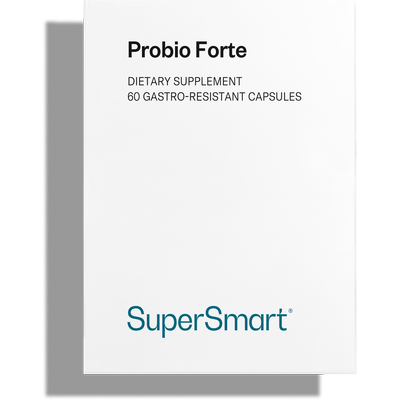
 Discover Probio Forte, a concentrated formula of 5 probiotic strains renowned for supporting the intestinal microbiota, with 8 billion microorganisms per capsule.
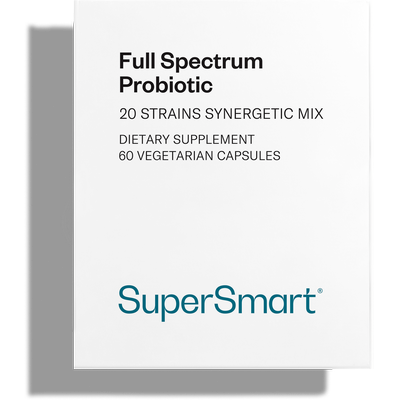
Discover Full Spectrum Probiotic, a complete complex of 20 synergistic strains including Lactobacillus plantarum and other probiotics beneficial for digestive balance.
Saccharomyces boulardii: a unique probiotic yeast
In addition to lactic acid bacteria, certain probiotic yeasts such as Saccharomyces boulardii are of particular interest in the prevention of intestinal disorders, particularly in the context of stress or intense training (10).
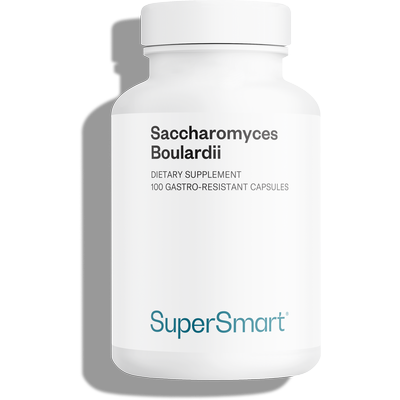
This yeast naturally resists stomach acidity and the action of antibiotics, and could support the integrity of the intestinal mucosa while modulating immunity.
Discover Saccharomyces boulardii, a highly resistant and powerfully dosed probiotic yeast, with 20 billion CFU/g of Saccharomyces boulardii.
Being active also means nourishing your microbiota
Physical activity doesn't just strengthen the heart or muscles: it also acts as a modulating factor for the intestinal microbiota.
If done on a regular, moderate and adapted basis, it could :
- encourage a more diverse flora
- improve digestion
- reduce chronic inflammation
- contribute to improved immunity
And this interaction is bidirectional: a balanced microbiota could also support exercise, reduce sport-induced digestive problems and optimise recovery.
Incorporating probiotics into a sports routine can therefore be seen as an appropriate form of support, in addition, of course, to a healthy lifestyle and a balanced diet.
SUPERSMART ADVICE
References
- Adak A, Khan MR. An insight into gut microbiota and its functionalities. Cell Mol Life Sci. 2019 Feb;76(3):473-493. doi: 10.1007/s00018-018-2943-4. Epub 2018 Oct 13. PMID: 30317530; PMCID: PMC11105460.
- Silva YP, Bernardi A, Frozza RL. The Role of Short-Chain Fatty Acids From Gut Microbiota in Gut-Brain Communication. Front Endocrinol (Lausanne). 2020 Jan 31;11:25. doi: 10.3389/fendo.2020.00025. PMID: 32082260; PMCID: PMC7005631.
- Góralczyk-Bińkowska A, Szmajda-Krygier D, Kozłowska E. The Microbiota-Gut-Brain Axis in Psychiatric Disorders. Int J Mol Sci. 2022 Sep 24;23(19):11245. doi: 10.3390/ijms231911245. PMID: 36232548; PMCID: PMC9570195.
- Molina-Torres G, Rodriguez-Arrastia M, Roman P, Sanchez-Labraca N, Cardona D. Stress and the gut microbiota-brain axis. Behav Pharmacol. 2019 Apr;30(2 and 3-Spec Issue):187-200. doi: 10.1097/FBP.0000000000000478. PMID: 30844962.
- Varghese S, Rao S, Khattak A, Zamir F, Chaari A. Physical Exercise and the Gut Microbiome: A Bidirectional Relationship Influencing Health and Performance. 2024 Oct 28;16(21):3663. doi: 10.3390/nu16213663. PMID: 39519496; PMCID: PMC11547208.
- Aitkenhead R, Waldron M, Conway GE, Horner K, Heffernan SM. The Influence of Dietary Supplements on Exercise-Induced Gut Damage and Gastrointestinal Symptoms: A Systematic Review and Meta-Analysis. 2025 Jan 25;17(3):443. doi: 10.3390/nu17030443. PMID: 39940302; PMCID: PMC11820470.
- Yang K, Chen Y, Wang M, Zhang Y, Yuan Y, Hou H, Mao YH. The Improvement and Related Mechanism of Microecologics on the Sports Performance and Post-Exercise Recovery of Athletes: A Narrative Review. 2024 May 24;16(11):1602. doi: 10.3390/nu16111602. PMID: 38892536; PMCID: PMC11174581.
- Camilleri M. Human Intestinal Barrier: Effects of Stressors, Diet, Prebiotics, and Probiotics. Clin Transl Gastroenterol. 2021 Jan 25;12(1):e00308. doi: 10.14309/ctg.0000000000000308. PMID: 33492118; PMCID: PMC7838004.
- Jarrett H, Medlin S, Morehen JC. The Role of the Gut Microbiome and Probiotics in Sports Performance: A Narrative Review Update. 2025 Feb 14;17(4):690. doi: 10.3390/nu17040690. PMID: 40005018; PMCID: PMC11858190.
- Soares ADN, Wanner SP, Morais ESS, Hudson ASR, Martins FS, Cardoso VN. Supplementation with Saccharomyces boulardii Increases the Maximal Oxygen Consumption and Maximal Aerobic Speed Attained by Rats Subjected to an Incremental-Speed Exercise. 2019 Oct 2;11(10):2352. doi: 10.3390/nu11102352. PMID: 31581750; PMCID: PMC6835599.
Keywords




5 Days
Adequate info en hoge kwaliteit
Adequate info en hoge kwaliteit
HanS.
15 Days
Supplementen zijn goed.
Supplementen zijn goed. Zachte prijzen. Website met problemen ( altijd ) niet goed voor nieuwe klanten.
Gino RJ
24 Days
Alles op tijd geleverd.
Alles op tijd geleverd. De producten worden alsmaar duurder, terwijl mijn pensioen niet meer stijgt. Vandaar kan ik alsmaar minder vaak bestellen.
Wouters
1094 Days
Great service
Great service
Ryszard
1107 Days
Profesjonalna obsługa
Bardzo dobre i rzeczowe opisy. Profesjonalna obsługa.
PIEKOSZEWSKI Chris
1775 Days
Wszystko OK!
Wszystko poszło jak powinno 🙂
SITKIEWICZ Pawel
2562 Days
Szybko sprawnie bez problemów
Szybko sprawnie bez problemów
Marek
of experience
your money back
##montant## purchase