
The 4 best vitamins for memory
Diet plays a key role in maintaining brain health. But which particular vitamins are best for supporting the memory?

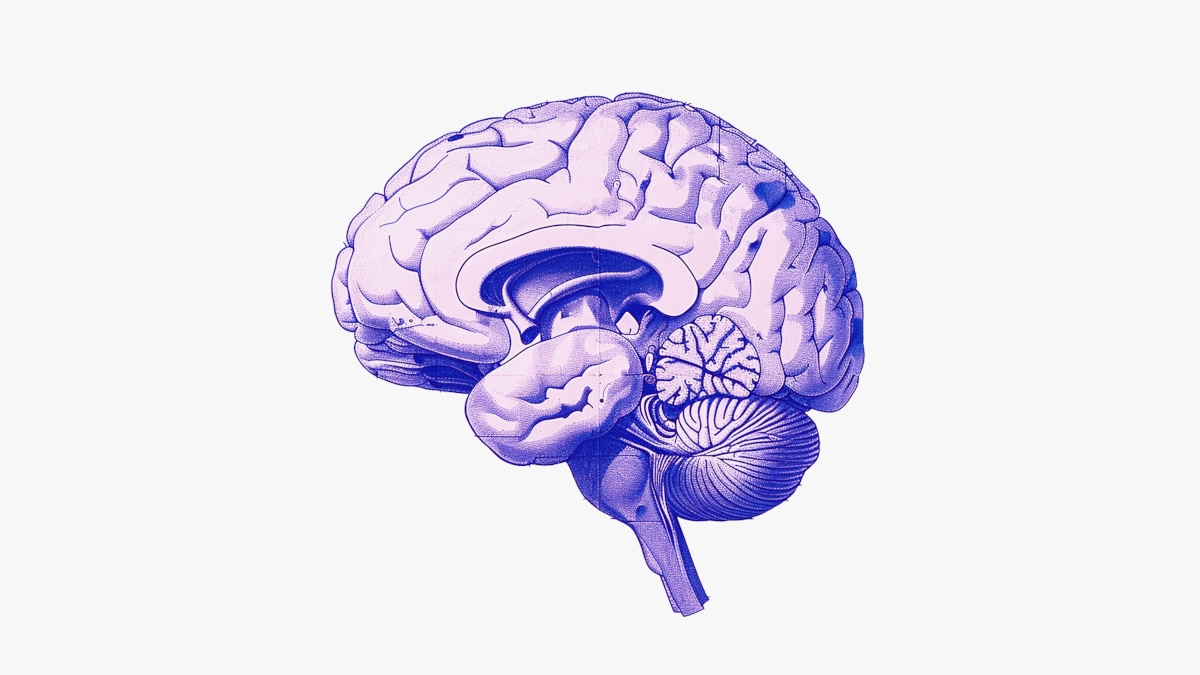
Memory: a complex cerebral mechanism
Memory is a complex cerebral mechanism composed of 5 interconnected systems : working memory, semantic memory, episodic memory, procedural memory and perceptual memory (1).
There is no one site for memory in the brain: different parts are activated and interact depending on the type of memory mobilised. Thus the hippocampus, frontal lobe, left and right prefrontal cortices, parietal and temporal lobes and cerebellum are all involved in some capacity in storing and retrieving memories.
However, all these mechanisms depend on synaptic plasticity – the ability of synapses to modify the strength of their connections in response to neuronal activity.
The problem is that as we age, synaptic plasticity diminishes. Not only that but over time, and under the effects of certain lifestyle factors, biochemical processes and neuronal health become compromised by oxidative stress.
Key elements for maintaining your memory
For optimal memory support, it’s essential to get enough sleep, take regular exercise, engage in brain exercises for mental stimulation, and eat a balanced diet. There are also certain vitamins which seem to offer particular benefits in terms of memory.
The 4 best vitamins for the memory and brain
B vitamins and memory
The first such nutrients are the B vitamins. UK scientists have shown that supplementing with B vitamins (specifically B6, B9 and B12) lowers homocysteine levels (3). Blood levels of this sulphur-containing amino acid can rise dangerously with age or in cases of deficiency.
Referred to as hyperhomocysteinaemia, this causes glutathione levels to fall, further exposing the brain to oxidative stress. Having a high homocysteine level is a risk factor for the development of Alzheimer’s disease and dementia.
In addition, several B vitamins are thought to benefit memory by supporting the brain’s structural and functional integrity (vitamins B1, B3, B9, B12…), DNA repair (vitamin B12) and production of neurotransmitters essential for cognitive function (vitamins B1 and B6).
It’s easy to increase your intake of B vitamins by opting for a dietary supplement in which they are all combined (such as the complex Coenzymated B Formula).
Lack of vitamin D in relation to Alzheimer’s
A 2010 French study highlighted a new avenue of research around the link between vitamin D and memory (5).
Vitamin D has till now been mainly associated with benefits for bone metabolism, muscle strength and the immune system. But in this study, researchers observed a decline in neuron sensitivity to vitamin D in patients suffering from Alzheimer’s disease.
Most importantly, the study showed that intellectual function, including the ability to memorise, was lower in (elderly) patients deficient in vitamin D. This vitamin is believed to act by supporting neuroprotection, inflammation regulation and the production of neurotransmitters crucial for neuronal communication, etc.
Although further studies are needed to confirm these findings, vitamin D certainly seems to offer potential benefits for memory (6).
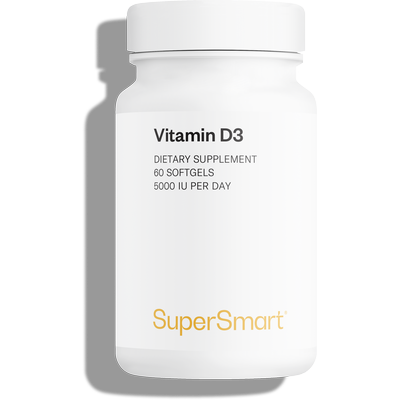
You’ll find vitamin D in oily fish, chanterelle mushrooms, dairy products, egg yolk … as well as in specific supplements (such as Vitamin D3 5000 IU).
Vitamin C, an antioxidant for fighting neurodegeneration?
Current research suggests that low levels of vitamin C in the body may also lead to the development of neurodegenerative diseases.
Vitamin C helps protect cells against oxidative stress, an important factor in this type of disorder. It may also work by helping to regulate neurotransmission and blood flow in the brain. It therefore constitutes a valuable aid in protecting memory (7).
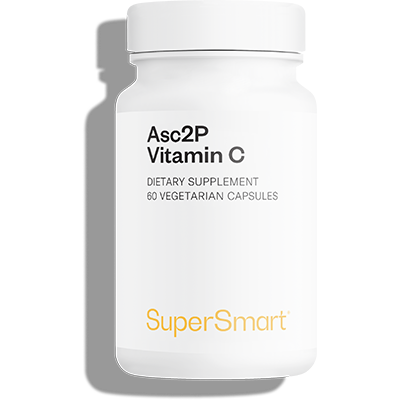
Good sources of vitamin C include citrus fruit, berries, kiwi fruit, peppers … as well as specific supplements (such as Asc2P, a stable and powerful form of vitamin C).
Vitamin E, another potent antioxidant for maintaining memory
Vitamin E is also a powerful antioxidant and therefore excellent for maintaining healthy brain cells and the brain in general.
A recent study showed that elderly subjects with high blood levels of vitamin E were less likely to develop memory problems (8).
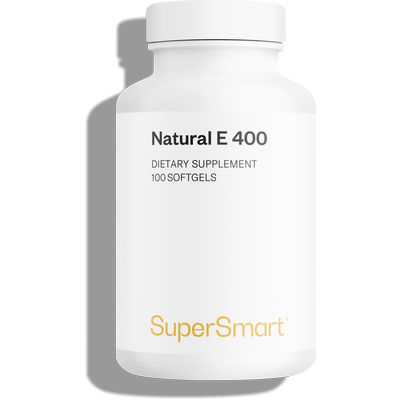
Vitamin E is found in fat-containing foods (such as walnuts, almonds, vegetable oils, fish …) as well as in supplements (such as Natural E400).
Other supplements good for the brain and memory
Apart from vitamins, DHA-type omega-3 fatty acids also support normal brain function, and therefore memory. This is because these fatty acids are components of nerve cells and thus support synaptic transmission. DHA is found in salmon, mackerel, herring… and at higher levels in dietary supplements (such as Super DHA) (9).
And finally, certain plants are recognised as providing natural memory support, including Bacopa monnieri, an aquatic succulent native to Asia, and Ginkgo biloba, the maidenhair tree, used for hundreds of years in traditional Chinese medicine. Both are recognised for helping to maintain good peripheral microcirculation which is associated with good cognitive function and memory in particular. That’s why these plant extracts are often combined in synergistic formulations targeting brain health (such as Neurex).
SUPERSMART ADVICE
References
- https://www.inserm.fr/dossier/memoire/
- HOOSHMAND, Babak, POLVIKOSKI, Tuomo, KIVIPELTO, Miia, et al.Plasma homocysteine, Alzheimer and cerebrovascular pathology: a population-based autopsy study. Brain, 2013, vol. 136, no 9, p. 2707-2716.
- VOGEL, Thomas, DALI‐YOUCEF, Nassim, KALTENBACH, G., et al.Homocysteine, vitamin B12, folate and cognitive functions: a systematic and critical review of the literature. International journal of clinical practice, 2009, vol. 63, no 7, p. 1061-1067.
- ASHOORI, Marziyeh et SAEDISOMEOLIA, Ahmad. Riboflavin (vitamin B2) and oxidative stress: a review. British journal of nutrition, 2014, vol. 111, no 11, p. 1985-1991.
- https://presse.inserm.fr/la-vitamine-d-une-nouvelle-piste-contre-la-maladie-dalzheimer/28364/
- MILLET, Pascal, LANDEL, Véréna, VIRARD, Isabelle, et al.Rôle de la vitamine D dans la ph 3ysiopathologie des maladies neurodégénératives. Biologie Aujourd'hui, 2014, vol. 208, no 1, p. 77-88.
- PRATICÒ, Domenico et DELANTY, Norman. Oxidative injury in diseases of the central nervous system: focus on Alzheimer’s disease. The American journal of medicine, 2000, vol. 109, no 7, p. 577-585.
- MORRIS, Martha Clare, BECKETT, Laurel A., SCHERR, Paul A., et al.Vitamin E and vitamin C supplement use and risk of incident Alzheimer disease. Alzheimer Disease & Associated Disorders, 1998, vol. 12, no 3, p. 121-126.
- STONEHOUSE, Welma, CONLON, Cathryn A., PODD, John, et al.DHA supplementation improved both memory and reaction time in healthy young adults: a randomized controlled trial. The American of Clinical Nutrition, 2013, vol. 97, no 5, p. 1134-1143.
Keywords




1 Days
I have been ordering supplements from…
I have been ordering supplements from SuperSmart for many years now. They are one, among the very few suppliers of Nutraceutical medicines, whom I trust implicitly. They produce supplements which align with the latest biochemical research in the field of natural medicines which is wonderful for a person like myself, since I loathe the drugs produced by big pharma. I shall continue to order from SuperSmart.
Wayne Chandler
8 Days
I’m really satisfied with SuperSmart
I’m really satisfied with SuperSmart. I’ve ordered from them many times, and the products are definitely worth every penny. Their customer service is excellent. They respond very quickly, are always professional. The only thing that could be improved is the order confirmation email, as it doesn’t always arrive in my inbox and I sometimes have to request it from customer support.
T Marina
14 Days
Always a winner
Always a winner Best of products. Delivers on time. What more do you want?
David Walsh
16 Days
Very fast delivery
The delivery was unexpectedly very fast and !
SADDEM Nadia
22 Days
tres efficace
tres efficace
KR
22 Days
Great to be able to buy a pure BHB…
Great to be able to buy a pure BHB powder at Supersmart. Thanks.
BusyBee
30 Days
There is one thing you need to be very…
There is one thing you need to be very aware of with Supersmart. The content described on the box - is based on a daily dosage - which means you have to look for how many tablets is described as a daily dosage. If is says 1000mg on the box - it might mean taht you have i.e. to take 3 tablets dayly to get your daily dosage. And 90 tablets equals i.e. 30 days.
Trusted
30 Days
Excellent performance
Excellent performance
David Walsh
43 Days
Fast delivery
Fast delivery, good products but relatively high prices
Ezio m Insinna
47 Days
My family and I have been using…
My family and I have been using SuperSmart supplements for a while now, and we’re genuinely impressed. The quality is consistently excellent, and we’ve noticed real benefits, both for everyday wellness support and during more challenging health issues (bc/artemisinin), where they’ve been a valuable part of our overall care and healing routine. Highly recommend for anyone looking for a trustworthy supplement brand to support their health.
VUKOTIC Sonja
47 Days
Good quality but way too expensive
Good quality, but way too expensive. 70 euros for a 2-week supply is excessive. If there'd be another supplier to sell these, I'd definitely switch because of costs.
Laura
48 Days
All good products and service
All good products and service
Trusted
59 Days
I believe in the quality of the products
I believe in the quality of the products
Lucia Keme
69 Days
Thank you guys ,Real and Great Products…
Thank you guys ,Real and Great Products ,fast/tide and clean shipping .I definitly trust you and go for a montly subscription !!!
Mr Mircea Blaj
71 Days
Fast delivery
Fast delivery, no hassle
Trusted
of experience
your money back
##montant## purchase