
3 probiotics to take in the event of diarrhoea
Do you suffer from temporary or persistent diarrhoea? Discover the 3 probiotics most studied for their potential effects on preventing and reducing the duration of acute or chronic diarrhoea.

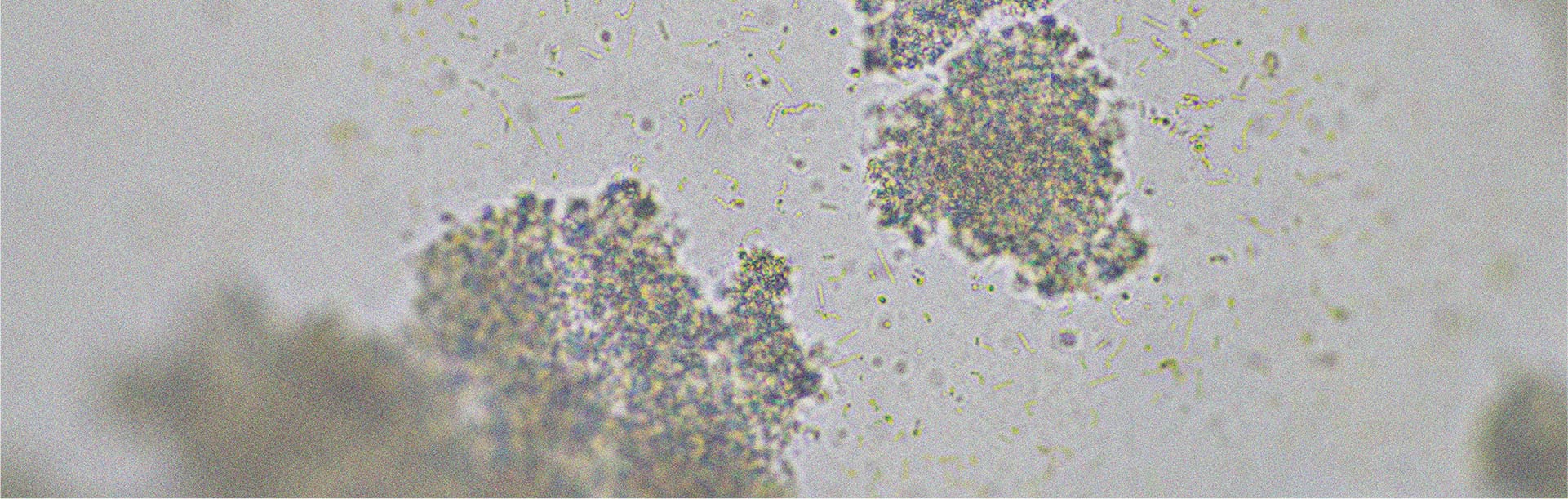
What is diarrhoea, and what causes it?
A relatively common gastrointestinal disorder, diarrhoea is defined as the emission of stools that are more liquid and more frequent than usual (more than 3 per day), accompanied by an urgent need to have a bowel movement.
A distinction is made between:
- acute diarrhoea, which lasts less than two weeks. It is usually caused by bacteria (Salmonella, Escherichia coli), viruses (rotavirus, norovirus) or certain medicines such as antibiotics
- chronic diarrhoea, which persists for more than four weeks. It may be linked to chronic inflammatory bowel disease (IBD), irritable bowel syndrome (IBS), food intolerances (lactose, gluten) or severe stress
Generally speaking, diarrhoea can be triggered by:
- infection by a pathogenic agent (virus, bacteria or parasite)
- antibiotics that upset the balance of the intestinal microbiota
- stress and anxiety, which modify the nervous and hormonal activity linked to the digestive tract, leading to faster transit
- food intolerances responsible for local inflammatory reactions
- chronic intestinal diseases such as IBD (chronic inflammatory bowel disease, including Crohn's disease and haemorrhagic rectocolitis), or IBS (irritable bowel syndrome), which is considered to be more of a functional disorder
In some cases, an imbalance in the intestinal microbiota is involved.
Its alteration, known as dysbiosis, can encourage the proliferation of pathogens, alter intestinal permeability or lead to inflammation of the mucosa, creating a breeding ground for digestive disorders.
It's important to remember that an episode of diarrhoea, however short or mild, can lead to complications such as dehydration, deficiencies and a weakened digestive system.
If symptoms persist for more than three days, it is advisable to consult a doctor.
What probiotics should I choose if I have diarrhoea?
As live microorganisms, probiotics help to maintain the balance of the intestinal microbiota. They could therefore be of real benefit in cases of diarrhoea.
The potential benefits of probiotics in cases of diarrhoea
Probiotics essentially refer to the ‘good bacteria’ that populate our microbiota (bifidobacteria, lactobacilli, lactococci, streptococci), as well as certain yeasts (saccharomycetes).
They are naturally present in some fermented foods such as yoghurt, kefir and sauerkraut, or are available in the form of food supplements.
Their effects on digestive health are now widely documented, and several strains are showing particularly promising results.
By acting on the balance of the intestinal microbiota, certain probiotics could be of real benefit in cases of diarrhoea.
Lactobacillus rhamnosus
There are numerous scientific publications on the benefits of Lactobacillus rhamnosus for different types of diarrhoea.
In particular, this strain is said to have the ability to survive in an acidic gastric environment and to implant itself on the intestinal mucosa, offering potential long-term benefits (1).
Some studies suggest that Lactobacillus rhamnosus could help reduce the duration of antibiotic-associated diarrhoea episodes (2), and even help prevent them (3).
Other research is also looking at its potential effects in cases of traveller's diarrhoea and acute diarrhoea associated with gastroenteritis (4).
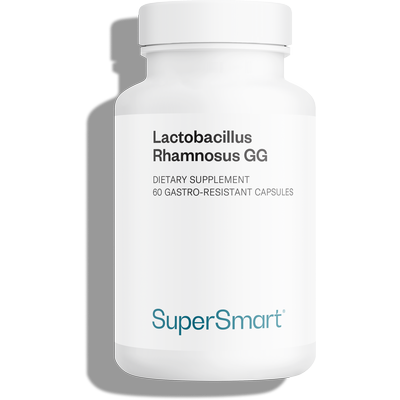
 Discover Lactobacillus Rhamnosus GG, a probiotic for the intestine that provides 10 billion microorganisms per daily dose, packaged in gastro-resistant capsules for optimum effectiveness.
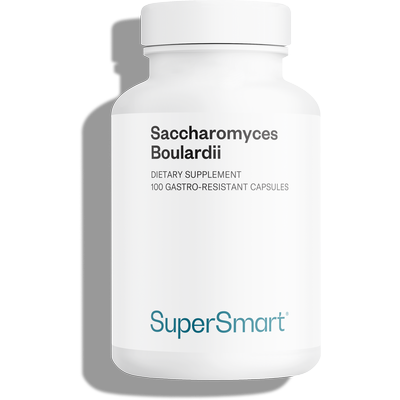
Saccharomyces boulardii
Saccharomyces boulardii is one of the most studied yeast strains in the world. Scientists are particularly interested in this probiotic for its potential effects on diarrhoea.
One study revealed that Saccharomyces boulardii could reduce the duration of the episode, the frequency of stools and the risk of recurrence within the following two months in children suffering from acute watery diarrhoea (5).
According to another meta-analysis, Saccharomyces boulardii is also of interest in the management of diarrhoea in adults, particularly in the prevention of antibiotic-associated diarrhoea and traveller's diarrhoea (6).
A randomised double-blind trial also showed that taking Saccharomyces boulardii in adults with acute viral diarrhoea could be associated with more frequent and faster improvement in clinical signs (7).
Find out more about Saccharomyces Boulardii, a highly dosed probiotic and a strain resistant to gastric acidity, proteolysis and antibiotics.
Lactobacillus reuteri
The researchers also looked at the potential effects of the Lactobacillus reuteri strain on diarrhoeal episodes of various origins.
It should be noted in passing that Lactobacillus reuteri has become rarer in the human microbiota since the 1960s, reflecting the negative impact of changes in our modern diet.
In hospitalised adults taking antibiotics, administration of Lactobacillus reuteri for 4 weeks significantly reduced antibiotic-associated diarrhoea (8).
Another study emphasises that Lactobacillus reuteri acts on intestinal homeostasis via various mechanisms: modulation of the microbiota, maintenance of the intestinal barrier, production of metabolites and immune regulation (9), etc.
Some strains are being studied in the treatment of infant colic (10), and could also be used as an adjuvant strategy in diarrhoea, constipation and H. pylori infection (11). Other potential applications in chronic digestive diseases remain to be confirmed.
Clinical data also suggest potential interest in antibiotic-associated diarrhoea, irritable bowel syndrome and chronic inflammatory bowel disease (12).
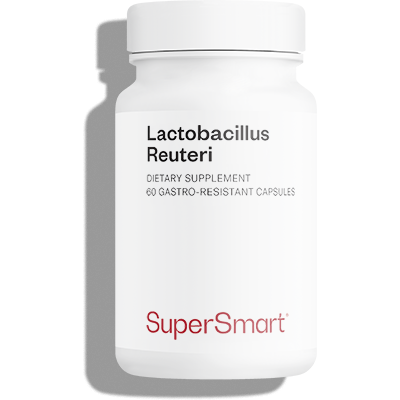
Discover Lactobacillus Reuteri, a probiotic food supplement with an excellent dose and ultra-innovative packaging.
Advice and precautions for using probiotics in cases of diarrhoea
Taking probiotics should be part of an overall approach to supporting the intestinal microbiota.
Their use is generally well tolerated. But in the event of persistent digestive problems, it is always advisable to seek the advice of a healthcare professional.
It is also possible to turn to multi-strain probiotic formulas to benefit from the complementary nature of different microorganisms studied for their interactions with the microbiota.
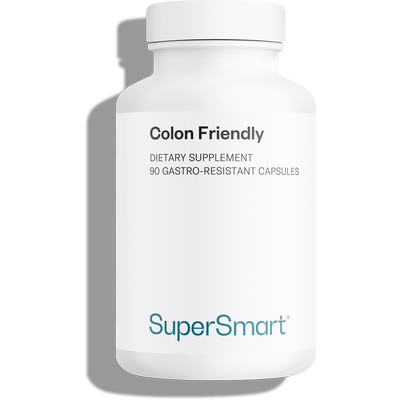
Discover Colon Friendly, a combination of 4 exceptional probiotics for a complete multi-strain formula: Saccharomyces cerevisiae (closely related to Saccharomyces boulardii), Bifidobacterium longum infantis, Bifidobacterium longum longum and Lactobacillus acidophilus.
SUPERSMART ADVICE
References
- Corcoran BM, Stanton C, Fitzgerald GF, Ross RP. Survival of probiotic lactobacilli in acidic environments is enhanced in the presence of metabolizable sugars. Appl Environ Microbiol. 2005 Jun;71(6):3060-7. doi: 10.1128/AEM.71.6.3060-3067.2005. PMID: 15933002; PMCID: PMC1151822.
- Evans M, Salewski RP, Christman MC, Girard SA, Tompkins TA. Effectiveness of Lactobacillus helveticus and Lactobacillus rhamnosus for the management of antibiotic-associated diarrhoea in healthy adults: a randomised, double-blind, placebo-controlled trial. Br J Nutr. 2016 Jul;116(1):94-103. doi: 10.1017/S0007114516001665. Epub 2016 May 12. PMID: 27169634.
- Szajewska H, Kołodziej M. Systematic review with meta-analysis: Lactobacillus rhamnosus GG in the prevention of antibiotic-associated diarrhoea in children and adults. Aliment Pharmacol Ther. 2015 Nov;42(10):1149-57. doi: 10,111 1/apt.13404. Epub 2015 Sep 13. PMID: 26365389.
- Bae JM. Prophylactic efficacy of probiotics on travelers' diarrhea: an adaptive meta-analysis of randomized controlled trials. Epidemiol Health. 2018;40:e2018043. doi: 10.4178/epih.e2018043. Epub 2018 Aug 29. PMID: 30189723; PMCID: PMC6232657.
- Billoo AG, Memon MA, Khaskheli SA, Murtaza G, Iqbal K, Saeed Shekhani M, Siddiqi AQ. Role of a probiotic (Saccharomyces boulardii) in management and prevention of diarrhoea. World J Gastroenterol. 2006 Jul 28;12(28):4557-60. doi: 10.3748/wjg.v12.i28.4557. PMID: 16874872; PMCID: PMC4125647.
- McFarland LV. Systematic review and meta-analysis of Saccharomyces boulardii in adult patients. World J Gastroenterol. 2010 May14 ; 16 (18) : 2202-22. doi: 10.3748/wjg.v16.i18.2202. PMID: 20458757; PMCID: PMC2868213.
- Salazar-Parra MA, Cruz-Neri RU, Trujillo-Trujillo XA, Dominguez-Mora JJ, Cruz-Neri HI, Guzmán-Díaz JM, Guzmán-Ruvalcaba MJ, Vega-Gastelum JO, Ascencio-Díaz KV, Zarate-Casas MF, González-Ponce FY, Barbosa-Camacho FJ, Fuentes-Orozco C, Cervantes-Guevara G, Cervantes-Pérez E, Cervantes-Cardona GA, Cortés-Flores AO, González-Ojeda A. Effectiveness of Saccharomyces Boulardii CNCM I-745 probiotic in acute inflammatory viral diarrhoea in adults: results from a single-centre randomized trial. BMC Gastroenterol. 2023 Jul 3;23(1):229. doi: 10.1186/s12876-023-02863-8. PMID: 37400812; PMCID: PMC10318799.
- Cimperman L, Bayless G, Best K, Diligente A, Mordarski B, Oster M, Smith M, Vatakis F, Wiese D, Steiber A, Katz J. A randomized, double-blind, placebo-controlled pilot study of Lactobacillus reuteri ATCC 55730 for the prevention of antibiotic-associated diarrhea in hospitalized adults. J Clin Gastroenterol. 2011 Oct ; 45 (9) : 785-9. doi: 10.1097/MCG.0b013e3182166a42. PMID: 21552138.
- Peng Y, Ma Y, Luo Z, Jiang Y, Xu Z, Yu R. Lactobacillus reuteri in digestive system diseases: focus on clinical trials and mechanisms. Front Cell Infect Microbiol. 2023 Aug 18;13:1254198. doi: 10,338 9/fcimb.2023.1254198. PMID: 37662007; PMCID: PMC10471993.
- Sung V, D'Amico F, Cabana MD, Chau K, Koren G, Savino F, Szajewska H, Deshpande G, Dupont C, Indrio F, Mentula S, Partty A, Tancredi D. Lactobacillus reuteri to Treat Infant Colic: A Meta-analysis. Pediatrics. 2018 Jan;141(1):e20171811. doi: 10.1542/peds.2017-1811. PMID: 29279326.
- Ismail NI, Nawawi KNM, Hsin DCC, Hao KW, Mahmood NRKN, Chearn GLC, Wong Z, Tamil AM, Joseph H, Raja Ali RA. Probiotic containing Lactobacillus reuteri DSM 17648 as an adjunct treatment for Helicobacter pylori infection: A randomized, double-blind, placebo-controlled trial. Helicobacter. 2023 Dec;28(6):e13017. doi: 10.1111/hel.13017. Epub 2023 Aug 23. PMID: 37614081.
- Niv E, Naftali T, Hallak R, Vaisman N. The efficacy of Lactobacillus reuteri ATCC 55730 in the treatment of patients with irritable bowel syndrome--a double blind, placebo-controlled, randomized study. Clin Nutr. 2005 Dec;24(6):925-31. doi: 10.1016/j.clnu.2005.06.001. Epub 2005 Jul 27. PMID: 16051399.
Keywords




17 Hours
Quality and choice of supplements.
Quality and choice of supplements.
Maja
5 Days
perfect great
perfect great
igor janic
10 Days
Good products and speedy delivery
Good products and speedy delivery
Jim
13 Days
Very good
Very good, fast delivery
Paddy
14 Days
Excellent products
Excellent products. Excellent servce.
MIFSUD Joseph
14 Days
It was sent expediently
It was sent expediently, the tracking worked nicely!
Roger De Backer
16 Days
Everything okay
Quality products people can account on. Fast shipping.
Fred Laan
27 Days
Good products
Good products
Emmanuel
30 Days
Always great service coupled with the…
Always great service coupled with the best of products Olive and David
David Walsh
32 Days
Products with quality
Products truly help.
Sari
34 Days
Your delivery service in DK is not…
Your delivery service in DK is not giving option of pick up in package shop of my choice!
SZCZEPANSKI Christopher
35 Days
Always good products
Always good products. Thank you
Silke Wieczorek
37 Days
Swift delivery
Swift delivery - quality products
Trusted
37 Days
Incredible and quick service and…
Incredible and quick service and delivery. Thank you again for your assistance. Your products are really helpful!
Kazanti Kleopatra
38 Days
this is probably not the last time i'll…
this is probably not the last time i'll buy noopept, however i'm really thankful to y'all, omberacetam helped me a lot getting out of the drug spiral, now i can finally enjoy again the scent of a flower with actual pleasure
DE ROSA Luca
of experience
your money back
##montant## purchase