
High lipase: what to do?
A blood test reveals a higher than normal level of lipase? This digestive enzyme is an important marker of the state of the pancreas. So what should you do if your lipase level is high? Should you be worried? Here are some explanations and advice on what to do.


What is lipase, and what is it used for?
Lipase is a digestive enzyme produced mainly by the pancreas.
It plays an essential role in breaking down dietary fats into fatty acids and glycerol, thereby facilitating their absorption into the intestine (1).
In the blood, lipase is present in small quantities: normal blood lipase values are generally below 60 IU/L or below 190 IU/L (international units per litre), depending on the assay techniques used by laboratories.
Elevated lipase (also known as hyperlipasemia) is often a sign of stress, inflammation or damage to the pancreas.
To be able to consider appropriate treatment, it is essential to identify the cause.
Among the potential causes of excessively high lipase (2) are:
- acute or chronic pancreatitis (inflammation of the pancreas), pancreatic cancer
- digestive diseases (stones, ulcers, cholecystitis, intestinal obstruction, pancreatic cysts)
- certain medications (corticosteroids, diuretics, opioids)
- excessive alcohol consumption
- abdominal trauma
High lipase: when should you be concerned?
While a level slightly higher than normal is not necessarily alarming, any elevated lipase level requires medical advice to determine the cause and avoid a worsening of the condition.
Warning: a level 3 times higher than normal is generally associated with acute pancreatitis, an emergency that requires rapid consultation.
Symptoms to watch out for
Certain symptoms associated with high lipase levels should raise the alarm:
- intense, persistent pain in the upper abdomen, sometimes radiating to the back
- nausea and vomiting
- fever and increased heart rate
- bloating, loss of appetite or a general feeling of malaise
These signs should not be taken lightly and should prompt urgent medical attention.
Severe pancreatitis can lead to potentially serious complications (necrotising pancreatitis, organ failure, etc.).
Further tests
In the event of high lipemia, the doctor may prescribe several additional tests to determine the cause:
- An assay of amylase, an enzyme that digests starch, is often carried out at the same time to refine the diagnosis.
- An abdominal ultrasound or CT scan then shows the state of the pancreas and bile ducts, to identify any inflammation or obstruction.
- Finally, liver and biliary analyses are used to complete the assessment and check the general state of the digestive system.
What can be done to lower lipase levels naturally?
In addition to medical advice and possible treatment, a healthy lifestyle and certain dietary habits can help support pancreatic and digestive comfort (3).
Adapting your diet
To give yourself the best chance of maintaining a normal level of lipase in your blood, it is advisable to:
- reduce saturated fats (cooked meats, fried foods, processed products), which place a heavy burden on the pancreas
- eat a diet rich in fruit, vegetables and fibre, which promotes a balanced intestinal microbiota and smoother digestion
- drink enough fluids throughout the day to facilitate transit and limit the digestive burden
- avoid alcohol and tobacco, two factors known to aggravate inflammation and weaken the pancreas (4)
Nutrients and plant extracts with protective effects
Certain natural substances can complement an overall approach, always after consulting a health professional.
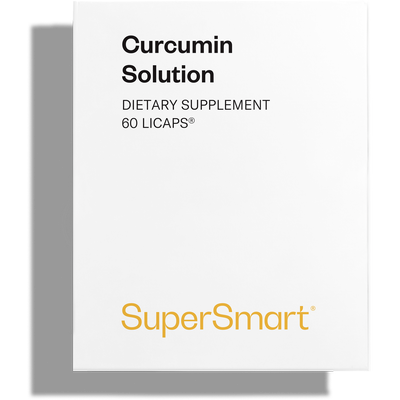
Curcumin: a powerful antioxidant
The main active ingredient in turmeric, curcumin has long been studied for its antioxidant action, which helps protect cells against oxidative stress (5).
This natural active ingredient also supports the body's anti-inflammatory mechanisms, which are useful in cases of digestive disorders (6).
 Discover Curcumin Solution, an antioxidant turmeric food supplement containing the most bioavailable form of curcumin on the market.
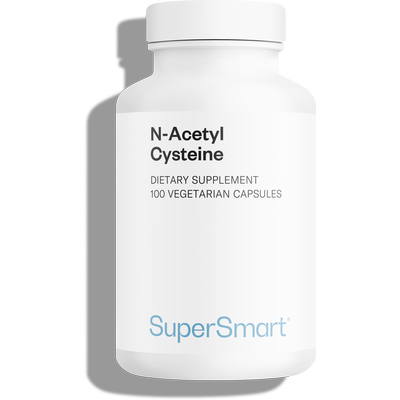
N Acetyl Cysteine (NAC): for liver support
N acetyl cysteine (or N-acetyl cysteine, or NAC) is an amino acid that is a precursor of glutathione, one of the body's most powerful antioxidants (7).
As well as promoting liver detoxification, it could help limit the effects of free radicals on pancreatic cells (8).
Discover N Acetyl Cysteine, a perfectly dosed, stable and well-tolerated formulation.
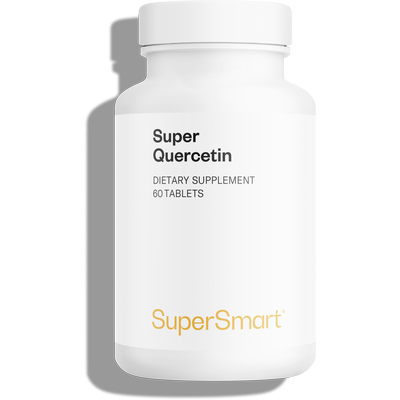
Quercetin: a protective flavonoid
Found in some fruits and vegetables (onions, grapes, apples, etc.), quercetin is a polyphenol studied for its antioxidant and anti-inflammatory properties (9-10).
It may be involved in modulating digestive inflammatory responses and protecting pancreatic tissue (11).
Discover Super Quercetin, a formula extracted naturally from the Dimorphandra mollis tree, using sustainable and responsible practices.
Omega 3: fatty acids with regulatory effects
Omega-3s are often cited for their potential regulatory effect on inflammatory processes and cell membrane support (12-13).
They are found in certain plants (walnuts, rapeseed oil, linseed oil, etc.) and in oily fish (tuna, sardines, anchovies, etc.).
Discover Super Omega 3, a pure and stable natural omega-3 supplement (EPA and DHA) with optimal bioavailability.
Probiotics: for a balanced microbiota
Probiotics are live microorganisms supplied by the diet, which help to balance the intestinal microbiota.
As well as promoting better digestion, a healthy intestinal microbiota could reduce the burden on the pancreas (14-15).
Discover Probio Forte, a powerful synergy of probiotics for the intestinal microbiota.
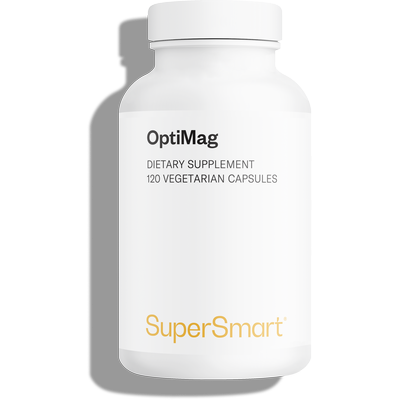
Magnesium: support for the digestive system
Magnesium is involved in over 300 enzymatic reactions.
It contributes to normal energy metabolism, normal functioning of the nervous system, normal protein synthesis and normal muscle function.
Often used to limit intestinal functional disorders, it is also being studied for its potential benefits on digestive and pancreatic health (17).
Discover OptiMag, a unique, synergistic combination of 8 exceptional forms of magnesium with excellent bioavailability.
SUPERSMART ADVICE
References
- Yadav N, Paul AT. Pancreatic lipase and its related proteins: where are we now? Drug Discov Today. 2024 Jan;29(1):103855. doi: 10.1016/j.drudis.2023.103855. Epub 2023 Dec 9. PMID: 38081381.
- https://www.eurofins-biomnis.com/referentiel/liendoc/precis/LIPASE.pdf
- Petrov MS, Yadav D. Global epidemiology and holistic prevention of pancreatitis. Nat Rev Gastroenterol Hepatol. 2019 Mar;16(3):175-184. doi: 10.1038/s41575-018-0087-5. PMID: 30482911; PMCID: PMC6597260.
- Hart PA, Conwell DL. Chronic Pancreatitis: Managing a Difficult Disease. Am J Gastroenterol. 2020 Jan;115(1):49-55. doi: 10.14309/ajg.0000000000000421. PMID: 31764092; PMCID: PMC6940526.
- Farzaei MH, Zobeiri M, Parvizi F, El-Senduny FF, Marmouzi I, Coy-Barrera E, Naseri R, Nabavi SM, Rahimi R, Abdollahi M. Curcumin in Liver Diseases: A Systematic Review of the Cellular Mechanisms of Oxidative Stress and Clinical Perspective. Nutrients. 2018 Jul 1;10(7):855. doi: 10.3390/nu10070855. PMID: 29966389; PMCID: PMC6073929.
- Peng Y, Ao M, Dong B, Jiang Y, Yu L, Chen Z, Hu C, Xu R. Anti-Inflammatory Effects of Curcumin in the Inflammatory Diseases: Status, Limitations and Countermeasures. Drug Des Devel Ther. 2021 Nov 2;15:4503-4525. doi: 10.2147/DDDT.S327378. PMID: 34754179; PMCID: PMC8572027.
- Averill-Bates DA. The antioxidant glutathione. Vitam Horm. 2023;121:109-141. doi: 10.1016/bs.vh.2022.09.002. Epub 2023 Jan 13. PMID: 36707132.
- Allam A, Abdeen A, Devkota HP, Ibrahim SS, Youssef G, Soliman A, Abdel-Daim MM, Alzahrani KJ, Shoghy K, Ibrahim SF, Aboubakr M. N-Acetylcysteine Alleviated the Deltamethrin-Induced Oxidative Cascade and Apoptosis in Liver and Kidney Tissues. Int J Environ Res Public Health. 2022 Jan 6;19(2):638. doi: 10.3390/ijerph19020638. PMID: 35055458; PMCID: PMC8775898.
- Xu D, Hu MJ, Wang YQ, Cui YL. Antioxidant Activities of Quercetin and Its Complexes for Medicinal Application. 2019 Mar 21;24(6):1123. doi: 10.3390/molecules24061123. PMID: 30901869; PMCID: PMC6470739.
- Li Y, Yao J, Han C, Yang J, Chaudhry MT, Wang S, Liu H, Yin Y. Quercetin, Inflammation and Immunity. 2016 Mar 15;8(3):167. doi: 10.3390/nu8030167. PMID: 26999194; PMCID: PMC4808895.
- Hu Y, Li R, Jin J, Wang Y, Ma R. Quercetin improves pancreatic cancer chemo-sensitivity by regulating oxidative-inflammatory networks. J Food Biochem. 2022 Dec;46(12):e14453. doi: 10.1111/jfbc.14453. Epub 2022 Oct 1. PMID: 36181395.
- Ishihara T, Yoshida M, Arita M. Omega-3 fatty acid-derived mediators that control inflammation and tissue homeostasis. Int Immunol. 2019 Aug 23;31(9):559-567. doi: 10.1093/intimm/dxz001. PMID: 30772915.
- Pires LBC, Salaroli LB, Podesta OPG, Haraguchi FK, Lopes-Júnior LC. Omega-3 Supplementation and Nutritional Status in Patients with Pancreatic Neoplasms: A Systematic Review. 2024 Nov 26;16(23):4036. doi: 10.3390/nu16234036. PMID: 39683430; PMCID: PMC11643750.
- Gao Z, Yin S, Jin K, Nie W, Wang L, Cheng L. Effectiveness and safety of probiotics on patients with severe acute pancreatitis: A systematic review and meta-analysis. Medicine (Baltimore). 2023 Dec 15;102(50):e36454. doi: 10.1097/MD.0000000000036454. PMID: 38115294; PMCID: PMC10727534.
- Capurso G, Marignani M, Piciucchi M, Merola E, Delle Fave G. Probiotics and severe acute pancreatitis. J Clin Gastroenterol. 2008 Sep;42 Suppl 3 Pt 1:S148-51. doi: 10.1097/MCG.0b013e318169e935. PMID: 18806709.
- Hersh T, Siddiqui DA. Magnesium and the pancreas. Am J Clin Nutr. 1973 Mar;26(3):362-6. doi: 10.1093/ajcn/26.3.362. PMID: 4570229.
- Malagelada JR, Holtermuller KH, McCall JT, Go VL. Pancreatic, gallbladder, and intestinal responses to intraluminal magnesium salts in man. Am J Dig Dis. 1978 Jun;23(6):481-5. doi: 10.1007/BF01072690. PMID: 677102.
Keywords




5 Days
Adequate info en hoge kwaliteit
Adequate info en hoge kwaliteit
HanS.
15 Days
Supplementen zijn goed.
Supplementen zijn goed. Zachte prijzen. Website met problemen ( altijd ) niet goed voor nieuwe klanten.
Gino RJ
24 Days
Alles op tijd geleverd.
Alles op tijd geleverd. De producten worden alsmaar duurder, terwijl mijn pensioen niet meer stijgt. Vandaar kan ik alsmaar minder vaak bestellen.
Wouters
1094 Days
Great service
Great service
Ryszard
1107 Days
Profesjonalna obsługa
Bardzo dobre i rzeczowe opisy. Profesjonalna obsługa.
PIEKOSZEWSKI Chris
1775 Days
Wszystko OK!
Wszystko poszło jak powinno 🙂
SITKIEWICZ Pawel
2562 Days
Szybko sprawnie bez problemów
Szybko sprawnie bez problemów
Marek
of experience
your money back
##montant## purchase