
Postbiotics: the discreet innovation that is shaping our future health
Sort of "derivatives" of probiotics, postbiotics have recently been added to the range of supplements dedicated to the microbiota and general well-being.

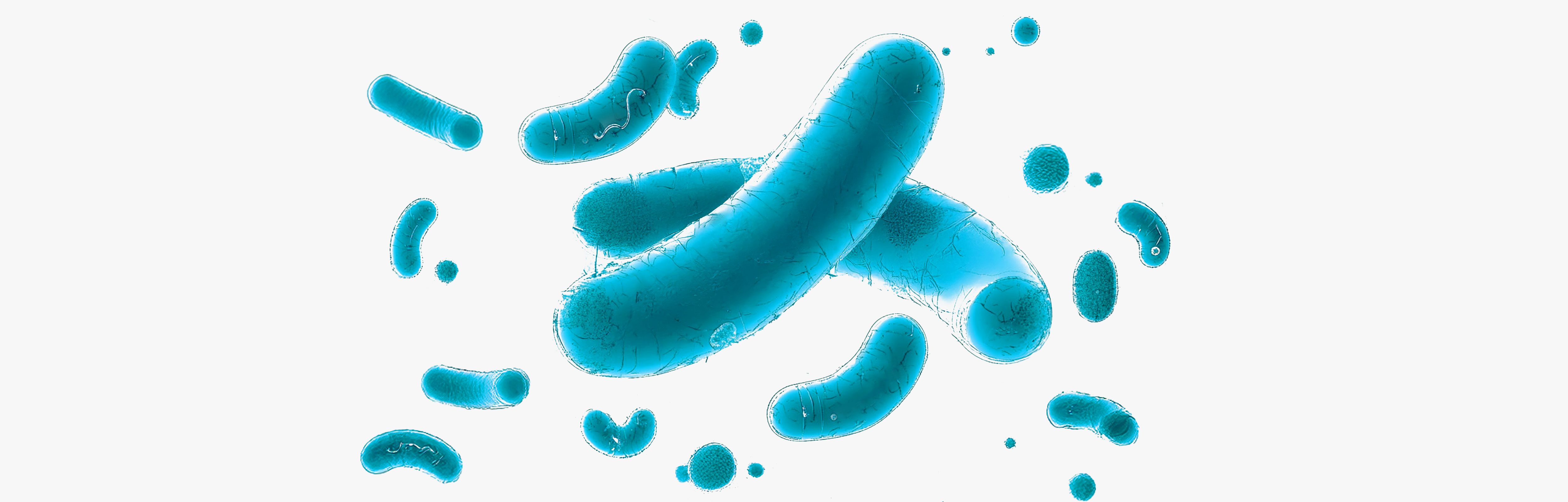
What are postbiotics?
According to ISAPP (International Scientific Association for Probiotics and Prebiotics), a postbiotic is ‘a preparation of inanimate micro-organisms and/or their components conferring a health benefit on the host’ (1).
Distinct from probiotics (living micro-organisms) and prebiotics (substrates supporting their growth and development), postbiotics consist solely of ‘inactivated’ compounds: they may be whole bacteria, components isolated from bacterial cells, or metabolites produced by their fermentation.
In reality, this group of compounds includes a vast array of functional molecules, such as short-chain fatty acids, peptides, proteins, enzymes and so on.
To qualify as a postbiotic, however, a compound must demonstrate a biological activity considered safe and effective for the target host.
How do these deactivated micro-organisms work?
Like their probiotic cousins, postbiotics help to balance the intestinal microbiota.
However, it would appear that their mechanism of action is different: instead of implanting new micro-organisms, they support the preservation of the beneficial flora by modulating the indigenous probiotic strains (most likely due to the antimicrobial activity of some of their components, including lactic acid and bacteriocins) (2).
Several studies also suggest that certain postbiotics strengthen the epithelial barrier of the intestine, thereby reducing its permeability.
In particular, they are thought to interact with certain proteins and enzymes (ZO-1, MLCK) that control the tight junctions linking the cells in the intestinal wall (3).
Finally, current research suggests that postbiotics have an effect far beyond the intestinal sphere, with researchers now exploring their role in regulating the immune response and metabolic processes, as well as mood and mental health (4-5).
What are the most popular postbiotics at the moment?
Butyrate
Butyrate is a short-chain fatty acid produced by the fermentation of fibres by Firmicutes bacteria in the large intestine.
It is the preferred fuel for colonocytes, which cover the walls of the colon, and is thought to mediate the production of inflammatory cytokines while optimising the barrier function of the intestine (6).
This could open up promising prospects for people suffering from chronic inflammatory bowel disease or irritable bowel syndrome (our Butyrate Colon Formula supplement is based on an optimised form of butyrate, tributyrin, which has excellent bioavailability) (7).
Urolithins
Urolithins are metabolites found in the intestinal microbiota following the ingestion of foods rich in ellagitannins, such as berries or oleaginous fruits (8).
They come in 7 types, those designated by the letters A, B, C and D being the most common.
Urolithin A is the type with the greatest biological activity (9).
It is of particular interest in anti-ageing research because it is thought to support mitophagy, the process of recycling failing or senescent mitochondria (the ‘energy power plants’ of our cells).
It therefore represents a hope for cell longevity and the fight against ageing (10).
However, urolithin production is subject to considerable individual variation, and is highly dependent on the composition of our microbiota.
Supplementing with urolithin A would therefore appear to be the safest and most effective way of reaping the benefits (for example, with Urolithin A, derived from pomegranate extract).
Lactobacillus plantarum (deactivated form)
Well-known in the probiotics section, Lactobacillus plantarum is a lactic acid bacterium found in fermented foods.
Researchers have found that inactivating certain strains by heat treatment (at a very specific stage in their growth) multiplies their biological effects.
This is precisely what happens with the deactivated form of Lactobacillus plantarum HK L-137, considered to be the 'immunobiotic champion' because of its remarkable activity on IL-12 cytokines (to be found in Lactobacillus Plantarum PostBiotic, which is based on a patented ingredient) (11).
Lacticaseibacillus paracasei (deactivated form)
The Lacticaseibacillus paracasei KW3110 strain is currently the only postbiotic scientifically tested against eye fatigue, particularly that induced by screen work.
A clinical study also measured its impact on retinal damage inflicted by exposure to blue light (in Vision Postbiotic, this strain has undergone gentle heat treatment to preserve its properties) (12).
Pylopass™ DSM17648
Behind Pylopass™ DSM17648 lies a very specific strain of Lactobacillus reuteri, also inactivated.
The reason it has attracted so much attention is its exclusive affinity with Helicobacter pylori, a pathogenic bacterium responsible for gastric discomfort, peptic ulcers and certain malignant lesions of the stomach, which are increasingly resistant to conventional antibiotics (13).
Thanks to its specific adhesion molecules, the inactivated strain DMS 17648 is able to coagulate with H. pylori, forming aggregates which are then expelled through the digestive tract (this powerful fighting agent is at the heart of H. Pylori Fight and its premium version H. Pylori Fight Advanced Formula, where it combines its strength with 3 renowned probiotics) (14).
Postbiotics: the 'biotics' of the future?
Postbiotics have certain notable advantages over probiotics.
Because they are based on inactivated compounds, they are more stable (15).
They can therefore be stored for longer and more easily (whereas dehydrated probiotics, for example, need to be stored at low temperature to remain viable), which could make it easier to incorporate them into functional foods or pharmaceutical products in the future.
Unlike probiotics, they do not need to survive in the intestine and colonise it in order to act, which means they can exert their effects immediately after ingestion.
Finally, it should be noted that, with the boom in research into the intestinal microbiota, postbiotics are attracting growing interest from the scientific community.
The discovery of these new 'biotics', which has only been underway for a few decades, is still in its infancy. So there's every chance that newcomers will be swelling their ranks in the very near future.
SUPERSMART ADVICE
References
- Vinderola G, Sanders ME, Salminen S. The Concept of Postbiotics. 2022 Apr 8;11(8):1077. doi: 10.3390/foods11081077. PMID: 35454664; PMCID: PMC9027423.
- Ma L, Tu H, Chen T. Postbiotics in Human Health: A Narrative Review. 2023 Jan 6;15(2):291. doi: 10.3390/nu15020291. PMID: 36678162; PMCID: PMC9863882.
- Miyauchi E, Morita H, Tanabe S. Lactobacillus rhamnosus alleviates intestinal barrier dysfunction in part by increasing expression of zonula occludens-1 and myosin light-chain kinase in vivo. J Dairy Sci. 2009 Jun;92(6):2400-8. doi: 10.3168/jds.2008-1698. PMID: 19447972.
- Fang H, Rodrigues E-Lacerda R, Barra NG, Kukje Zada D, Robin N, Mehra A, Schertzer JD. Postbiotic Impact on Host Metabolism and Immunity Provides Therapeutic Potential in Metabolic Disease. Endocr Rev. 2025 Jan 10;46(1):60-79. doi: 10.1210/endrev/bnae025. PMID: 39235984; PMCID: PMC11720174.
- Chudzik A, Orzyłowska A, Rola R, Stanisz GJ. Probiotics, Prebiotics and Postbiotics on Mitigation of Depression Symptoms: Modulation of the Brain-Gut-Microbiome Axis. 2021 Jul 7;11(7):1000. doi: 10.3390/biom11071000. PMID: 34356624; PMCID: PMC8301955.
- Canani RB, Costanzo MD, Leone L, Pedata M, Meli R, Calignano A. Potential beneficial effects of butyrate in intestinal and extraintestinal diseases. World J Gastroenterol. 2011 Mar 28;17(12):1519-28. doi: 10.3748/wjg.v17.i12.1519. PMID: 21472114; PMCID: PMC3070119.
- Yang N, Lan T, Han Y, Zhao H, Wang C, Xu Z, Chen Z, Tao M, Li H, Song Y, Ma X. Tributyrin alleviates gut microbiota dysbiosis to repair intestinal damage in antibiotic-treated mice. PLoS One. 2023 Jul 31;18(7):e0289364. doi: 10.1371/journal.pone.0289364. PMID: 37523400; PMCID: PMC10389721.
- Al-Harbi SA, Abdulrahman AO, Zamzami MA, Khan MI. Urolithins: The Gut Based Polyphenol Metabolites of Ellagitannins in Cancer Prevention, a Review. Front Nutr. 2021 Jun 7;8:647582. doi: 10.3389/fnut.2021.647582. PMID: 34164422; PMCID: PMC8215145.
- He F, Bian Y, Zhao Y, Xia M, Liu S, Gui J, Hou X, Fang Y. In vitro conversion of ellagic acid to urolithin A by different gut microbiota of urolithin metabotype A. Appl Microbiol Biotechnol. 2024 Feb 16;108(1):215. doi: 10.1007/s00253-024-13061-1. PMID: 38363367; PMCID: PMC10873453.
- Andreux PA, Blanco-Bose W, Ryu D, Burdet F, Ibberson M, Aebischer P, Auwerx J, Singh A, Rinsch C. The mitophagy activator urolithin A is safe and induces a molecular signature of improved mitochondrial and cellular health in humans. Nat Metab. 2019 Jun;1(6):595-603. doi: 10.1038/s42255-019-0073-4. Epub 2019 Jun 14. PMID: 32694802.
- Yoshitake R, Nakai H, Ebina M, Kawasaki K, Murosaki S, Hirose Y. Beneficial Effect of Heat-Killed Lactiplantibacillus plantarum L-137 on Skin Functions in Healthy Participants: A Randomized, Placebo-Controlled, Double-Blind Study. Front Med (Lausanne). 2022 Jul 6;9:912280. doi: 10.3389/fmed.2022.912280. Erratum in: Front Med (Lausanne). 2022 Oct 18;9:1048906. doi: 10.3389/fmed.2022.1048906. PMID: 35872749; PMCID: PMC9299260.
- Morita Y, Jounai K, Miyake M, Inaba M, Kanauchi O. Effect of Heat-Killed Lactobacillus paracasei KW3110 Ingestion on Ocular Disorders Caused by Visual Display Terminal (VDT) Loads: A Randomized, Double-Blind, Placebo-Controlled Parallel-Group Study. 2018 Aug 9;10(8):1058. doi: 10.3390/nu10081058. PMID: 30096952; PMCID: PMC6116181.
- Boyanova L, Hadzhiyski P, Gergova R, Markovska R. Evolution of Helicobacter pylori Resistance to Antibiotics: A Topic of Increasing Concern. Antibiotics (Basel). 2023 Feb 4;12(2):332. doi: 10.3390/antibiotics12020332. PMID: 36830243; PMCID: PMC9952372.
- Mehling H, Busjahn A. Non-viable Lactobacillus reuteri DSMZ 17648 (Pylopass™) as a new approach to Helicobacter pylori control in humans. 2013 Aug 2;5(8):3062-73. doi: 10.3390/nu5083062. PMID: 23917169; PMCID: PMC3775242.
- Prajapati N, Patel J, Singh S, Yadav VK, Joshi C, Patani A, Prajapati D, Sahoo DK, Patel A. Postbiotic production: harnessing the power of microbial metabolites for health applications. Front Microbiol. 2023 Dec 19;14:1306192. doi: 10.3389/fmicb.2023.1306192. PMID: 38169918; PMCID: PMC10758465.
Keywords



11 Days
Prodotti eccezionali
Prodotti eccezionali! Consegna rapida e precisa
paola
22 Days
Heldere info
Heldere info
HanS.
22 Days
Snelle levering
Snelle levering
harrie
27 Days
Adequate info en hoge kwaliteit
Adequate info en hoge kwaliteit
HanS.
37 Days
Supplementen zijn goed.
Supplementen zijn goed. Zachte prijzen. Website met problemen ( altijd ) niet goed voor nieuwe klanten.
Gino RJ
46 Days
Alles op tijd geleverd.
Alles op tijd geleverd. De producten worden alsmaar duurder, terwijl mijn pensioen niet meer stijgt. Vandaar kan ik alsmaar minder vaak bestellen.
Wouters
1117 Days
Great service
Great service
Ryszard
1129 Days
Profesjonalna obsługa
Bardzo dobre i rzeczowe opisy. Profesjonalna obsługa.
PIEKOSZEWSKI Chris
1797 Days
Wszystko OK!
Wszystko poszło jak powinno 🙂
SITKIEWICZ Pawel
2584 Days
Szybko sprawnie bez problemów
Szybko sprawnie bez problemów
Marek
of experience
your money back
##montant## purchase