
Cholesterol and neurodegenerative disorders: a link that remains poorly understood?
A recent study has examined the relationship between cholesterol and neurodegenerative disorders. This is a scientific avenue that is still emerging, but one that is becoming increasingly intriguing...


Cholesterol and Alzheimer’s disease: what the study says
Whilst it is generally associated with cardiovascular disorders, cholesterol also plays a crucial role in the brain. It contributes to the structure of neuronal membranes and the transmission of signals between nerve cells (1).
A recent study suggests that a disruption in cholesterol metabolism in the brain could, in fact, contribute to several mechanisms involved in neurodegenerative disorders (including Alzheimer’s disease), notably brain inflammation, neuronal dysfunction and the progressive decline in cognitive function (2).
Brain lipid metabolism and neurodegenerative disorders: what are the links?
Neuroinflammation and the activation of brain immune cells
This review highlights the possible role of cholesterol in neuroinflammation. An imbalance in brain lipid metabolism could excessively activate certain immune cells in the brain, particularly microglia (which are responsible, amongst other things, for clearing cellular debris and abnormal proteins) (3). By releasing more inflammatory molecules, they may sustain the chronic low-grade inflammation implicated in neurodegenerative disorders.
Neuronal dysfunction
The brain relies on extremely rapid and coordinated communication between billions of neurons. However, cholesterol directly influences the quality of neuronal membranes and synapses. When poorly regulated, the transmission of nerve signals may therefore become less efficient (4).
Cognitive decline
Through the combined effects of neuroinflammation and impaired neuronal connections, poor lipid regulation may also affect synaptic plasticity, learning abilities and memory, leading to a gradual decline in cognitive function (5).
Oxidative stress and brain ageing
Oxidative stress is another avenue being investigated in neurodegenerative disorders. The brain consumes a significant amount of oxygen and has a high concentration of polyunsaturated lipids, making it particularly susceptible to oxidative processes. It therefore appears that disrupted lipid metabolism may render nerve cells more vulnerable to these repeated attacks and accelerate cellular ageing (6).
Can we influence cholesterol balance?
Cholesterol balance depends on many factors: diet, physical activity, sleep quality, stress management, overall metabolic balance, etc.
The aim is not to eliminate lipids, but to maintain a healthy balance between the different types of cholesterol. Certain nutrients and plant compounds are specifically studied for their interaction with lipid metabolism. They can form part of a holistic nutritional approach, complementing a healthy lifestyle.
Combined formulations designed to support cholesterol balance often combine various nutritional ingredients and plant extracts. Some, for example, combine natural statin-free (monacolin-free) red yeast rice with artichoke extract, which helps regulate blood lipid levels (7–8).
 This is the case with Cholesterol Complex Formula, which contains Ankascin® 568-P, a clinically studied, monacolin-free fermented red yeast rice with a remarkably broad spectrum of action (blood lipids, blood pressure, blood glucose levels, etc.).
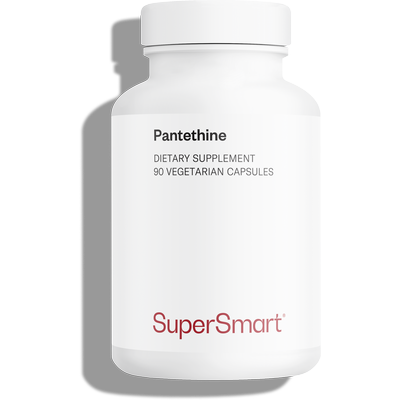
Pantethine is a derivative of vitamin B5. This vitamin contributes to normal energy metabolism and mental performance. It also plays a role in the metabolism and indirect synthesis of several neurotransmitters, including acetylcholine, which is involved in memory and learning (9).
Available in our Pantethine supplement.
Olive leaf, meanwhile, contains polyphenols such as oleuropein. It has antioxidant properties (which are thought to limit, in particular, the oxidation of ‘bad’ LDL cholesterol, known to weaken arterial walls) and helps maintain normal blood sugar levels (as an improved insulin response can indirectly improve lipid balance) (10–11).
Olive Leaf Extract has an exceptionally high oleuropein content.
Supporting brain nutrition
Brain health depends on a complex set of nutritional and physiological factors. The brain has specific requirements for nutrients involved in neuronal function to ensure, amongst other things, energy production, cellular signalling and protection.
Certain nutritional approaches therefore aim to support the brain in the face of cognitive ageing. They generally combine compounds that support neuroprotection, neuronal signalling, brain lipid balance or the fight against oxidative stress.
Among the plants most frequently cited in the scientific literature are Ginkgo biloba and Bacopa monnieri, which contribute to normal blood circulation (which underpins the brain’s responsiveness), and Centella asiatica and Huperzia serrata, which support cognitive function (12–15).
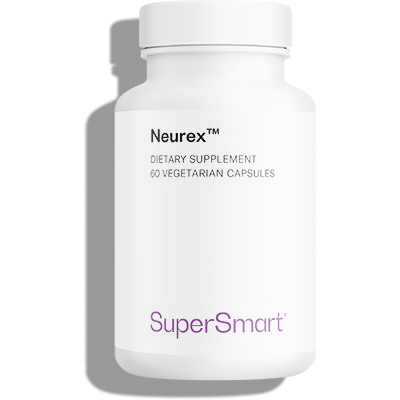
These plant extracts are combined in the Neurex™ blend, which also contains vitamins B9 and B12, as well as many other beneficial nutrients.
The brain is an organ particularly rich in structural lipids, notably DHA. This omega-3 fatty acid, a major component of neuronal membranes, helps maintain normal brain function (16). Hence the importance of ensuring an adequate daily intake.
The Super DHA supplement, which also contains EPA, is formulated using sustainably sourced fish oil.
Brain phospholipids are also attracting growing interest in research into neurotransmission and brain ageing. In particular, phosphatidylserine, another key component of neuronal membranes, which binds to DHA at the synapses (17). Unfortunately, its synthesis declines with age.
It is possible to take phosphatidylserine supplements, for example with PS100.
SUPERSMART ADVICE
References
- Jin U, Park SJ, Park SM. Cholesterol Metabolism in the Brain and Its Association with Parkinson's Disease. Exp Neurobiol. 2019 Oct 31;28(5):554-567. doi: 10.5607/en.2019.28.5.554. PMID: 31698548; PMCID: PMC6844833.
- Azarfar K, Decourt B, Sanchez Camacho B, Lawrence JJ, Omondi TR, Sabbagh MN. Cholesterol-modifying strategies for Alzheimer disease: promise or fallacy? Expert Rev Neurother. 2025 May;25(5):521-535. doi: 10.1080/14737175.2025.2483928. Epub 2025 Apr 3. PMID: 40140971; PMCID: PMC12068190.
- Hansen SB, Wang H. The shared role of cholesterol in neuronal and peripheral inflammation. Pharmacol Ther. 2023 Sep;249:108486. doi: 10.1016/j.pharmthera.2023.108486. Epub 2023 Jun 29. PMID: 37390970.
- Shin KC, Ali Moussa HY, Park Y. Cholesterol imbalance and neurotransmission defects in neurodegeneration. Exp Mol Med. 2024 Aug;56(8):1685-1690. doi: 10.1038/s12276-024-01273-4. Epub 2024 Aug 1. PMID: 39085348; PMCID: PMC11371908.
- Miramontes S, Khan U, Ferguson EL, Sirota M, Glymour MM. The association of cholesterol levels with memory and memory change over a 14-year period in a US national cohort. Alzheimers Dement (N Y). 2025 Jan 3;11(1):e70021. doi: 10.1002/trc2.70021. PMID: 39759951; PMCID: PMC11696025.
- Dias IH, Polidori MC, Griffiths HR. Hypercholesterolaemia-induced oxidative stress at the blood-brain barrier. Biochem Soc Trans. 2014 Aug;42(4):1001-5. doi: 10.1042/BST20140164. PMID: 25109993.
- Cicero AFG, Fogacci F, Banach M. Red Yeast Rice for Hypercholesterolemia. Methodist Debakey Cardiovasc J. 2019 Jul-Sep;15(3):192-199. doi: 10.14797/mdcj-15-3-192. PMID: 31687098; PMCID: PMC6822657.
- Bundy R, Walker AF, Middleton RW, Wallis C, Simpson HC. Artichoke leaf extract (Cynara scolymus) reduces plasma cholesterol in otherwise healthy hypercholesterolemic adults: a randomized, double blind placebo controlled trial. Phytomedicine. 2008 Sep;15(9):668-75. doi: 10.1016/j.phymed.2008.03.001. PMID: 18424099.
- Ismail N, Kureishy N, Church SJ, Scholefield M, Unwin RD, Xu J, Patassini S, Cooper GJS. Vitamin B5 (d-pantothenic acid) localizes in myelinated structures of the rat brain: Potential role for cerebral vitamin B5 stores in local myelin homeostasis. Biochem Biophys Res Commun. 2020 Jan 29;522(1):220-225. doi: 10.1016/j.bbrc.2019.11.052. Epub 2019 Nov 20. PMID: 31759626; PMCID: PMC6977085.
- Cheurfa M, Abdallah HH, Allem R, Noui A, Picot-Allain CMN, Mahomoodally F. Hypocholesterolaemic and antioxidant properties of Olea europaea L. leaves from Chlef province, Algeria using in vitro, in vivo and in silico approaches. Food Chem Toxicol. 2019 Jan;123:98-105. doi: 10.1016/j.fct.2018.10.002. Epub 2018 Oct 4. PMID: 30292622.
- Mansour HMM, Zeitoun AA, Abd-Rabou HS, El Enshasy HA, Dailin DJ, Zeitoun MAA, El-Sohaimy SA. Antioxidant and Anti-Diabetic Properties of Olive (Olea europaea) Leaf Extracts: In Vitro and In Vivo Evaluation. Antioxidants (Basel). 2023 Jun 14;12(6):1275. doi: 10.3390/antiox12061275. PMID: 37372005; PMCID: PMC10295535.
- Gościniak A, Stasiłowicz-Krzemień A, Szeląg M, Pawlak J, Skiera I, Kwiatkowska H, Nowak N, Bernady K, Trzaskoma P, Zimak-Krótkopad O, Cielecka-Piontek J. Bacopa monnieri: Preclinical and Clinical Evidence of Neuroactive Effects, Safety of Use and the Search for Improved Bioavailability. Nutrients. 2025 Jun 5;17(11):1939. doi: 10.3390/nu17111939. PMID: 40507208; PMCID: PMC12158153.
- Silberstein RB, Pipingas A, Song J, Camfield DA, Nathan PJ, Stough C. Examining brain-cognition effects of ginkgo biloba extract: brain activation in the left temporal and left prefrontal cortex in an object working memory task. Evid Based Complement Alternat Med. 2011;2011:164139. doi: 10.1155/2011/164139. Epub 2011 Aug 18. PMID: 21941584; PMCID: PMC3166615.
- Jiang J, Han R, Ren H, Yao Y, Jiang W. A review of neuroprotective properties of Centella asiatica (L.) Urb. and its therapeutic effects. Ann Med. 2025 Dec;57(1):2559122. doi: 10.1080/07853890.2025.2559122. Epub 2025 Sep 11. PMID: 40932246; PMCID: PMC12427517.
- Callizot N, Campanari ML, Rouvière L, Jacquemot G, Henriques A, Garayev E, Poindron P. Huperzia serrata Extract 'NSP01' With Neuroprotective Effects-Potential Synergies of Huperzine A and Polyphenols. Front Pharmacol. 2021 Aug 30;12:681532. doi: 10.3389/fphar.2021.681532. PMID: 34526893; PMCID: PMC8435632.
- Dighriri IM, Alsubaie AM, Hakami FM, Hamithi DM, Alshekh MM, Khobrani FA, Dalak FE, Hakami AA, Alsueaadi EH, Alsaawi LS, Alshammari SF, Alqahtani AS, Alawi IA, Aljuaid AA, Tawhari MQ. Effects of Omega-3 Polyunsaturated Fatty Acids on Brain Functions: A Systematic Review. Cureus. 2022 Oct 9;14(10):e30091. doi: 10.7759/cureus.30091. PMID: 36381743; PMCID: PMC9641984.
- Ma X, Li X, Wang W, Zhang M, Yang B, Miao Z. Phosphatidylserine, inflammation, and central nervous system diseases. Front Aging Neurosci. 2022 Aug 3;14:975176. doi: 10.3389/fnagi.2022.975176. PMID: 35992593; PMCID: PMC9382310.
Keywords




1 Days
I have been ordering supplements from…
I have been ordering supplements from SuperSmart for many years now. They are one, among the very few suppliers of Nutraceutical medicines, whom I trust implicitly. They produce supplements which align with the latest biochemical research in the field of natural medicines which is wonderful for a person like myself, since I loathe the drugs produced by big pharma. I shall continue to order from SuperSmart.
Wayne Chandler
8 Days
I’m really satisfied with SuperSmart
I’m really satisfied with SuperSmart. I’ve ordered from them many times, and the products are definitely worth every penny. Their customer service is excellent. They respond very quickly, are always professional. The only thing that could be improved is the order confirmation email, as it doesn’t always arrive in my inbox and I sometimes have to request it from customer support.
T Marina
14 Days
Always a winner
Always a winner Best of products. Delivers on time. What more do you want?
David Walsh
16 Days
Very fast delivery
The delivery was unexpectedly very fast and !
SADDEM Nadia
22 Days
tres efficace
tres efficace
KR
22 Days
Great to be able to buy a pure BHB…
Great to be able to buy a pure BHB powder at Supersmart. Thanks.
BusyBee
29 Days
There is one thing you need to be very…
There is one thing you need to be very aware of with Supersmart. The content described on the box - is based on a daily dosage - which means you have to look for how many tablets is described as a daily dosage. If is says 1000mg on the box - it might mean taht you have i.e. to take 3 tablets dayly to get your daily dosage. And 90 tablets equals i.e. 30 days.
Trusted
30 Days
Excellent performance
Excellent performance
David Walsh
43 Days
Fast delivery
Fast delivery, good products but relatively high prices
Ezio m Insinna
47 Days
My family and I have been using…
My family and I have been using SuperSmart supplements for a while now, and we’re genuinely impressed. The quality is consistently excellent, and we’ve noticed real benefits, both for everyday wellness support and during more challenging health issues (bc/artemisinin), where they’ve been a valuable part of our overall care and healing routine. Highly recommend for anyone looking for a trustworthy supplement brand to support their health.
VUKOTIC Sonja
47 Days
Good quality but way too expensive
Good quality, but way too expensive. 70 euros for a 2-week supply is excessive. If there'd be another supplier to sell these, I'd definitely switch because of costs.
Laura
47 Days
All good products and service
All good products and service
Trusted
58 Days
I believe in the quality of the products
I believe in the quality of the products
Lucia Keme
69 Days
Thank you guys ,Real and Great Products…
Thank you guys ,Real and Great Products ,fast/tide and clean shipping .I definitly trust you and go for a montly subscription !!!
Mr Mircea Blaj
71 Days
Fast delivery
Fast delivery, no hassle
Trusted
of experience
your money back
##montant## purchase