
Orthostatic hypotension: symptoms, causes and natural solutions
When you suddenly go from sitting or lying down to standing up, your blood pressure may fall. This phenomenon, known as orthostatic hypotension, can lead to dizziness, fatigue or blurred vision.


What is orthostatic hypotension?
Orthostatic hypotension is defined as a sudden drop in blood pressure when moving to a standing position, generally within three minutes of changing position (1).
This drop in blood pressure prevents proper blood flow to the brain, which can lead to a number of symptoms:
- dizziness or a feeling of lightheadedness
- blurred vision or a temporary dimming of sight
- a sudden feeling of tiredness, or even faintness
- loss of balance, which may lead to a fall
Chronic hypotension (low blood pressure on a daily basis, sometimes well tolerated) should not be confused with orthostatic hypotension, which occurs specifically when there is a change in posture.
The two are not necessarily linked: a person with usually low blood pressure may never suffer from orthostatic hypotension, and vice versa.
What causes orthostatic hypotension?
Orthostatic hypotension can have many causes, often combined:
- dehydration: excessive loss of fluids (profuse sweating, diarrhoea, fever, heat, use of diuretics) leads to a drop in blood volume and weakens blood pressure regulation;
- electrolyte deficiency: a lack of sodium, potassium or magnesium in the body also increases the risk of orthostatic hypotension;
- reduced vascular tone: with age, the walls of the blood vessels become less reactive. This makes it harder for the arteries and veins to contract rapidly to compensate for the change to standing;
- taking blood pressure-lowering drugs: certain treatments for hypertension, antidepressants, neuroleptics and diuretics can induce episodes of orthostatic hypotension;
- neurological disorders: damage to the autonomic nervous system, which is responsible for regulating blood pressure, can lead to adaptation difficulties;
- nutritional deficiencies: a lack of vitamin B12, iron or folates can weaken the production of red blood cells and limit cerebral oxygenation, increasing the risk of orthostatic hypotension.
The profiles most at risk include:
- the elderly, whose cardiovascular regulation system is less effective
- people who are dehydrated, particularly in hot weather
- patients with multiple medications
- people suffering from certain chronic diseases (Parkinson's, diabetes, heart failure, etc.)
Natural solutions and practical advice
While some simple measures can help prevent or limit attacks, medical advice is always essential in cases of orthostatic hypotension (to identify the cause of the problem and avoid any complications).
Adopt simple daily habits
In the event of sudden vertigo, the first priority is to sit down or lie down immediately, with your legs slightly elevated, to promote the return of blood to the brain. Then breathe calmly and wait a few moments before getting up again.
On a daily basis, a number of simple measures can help reduce the frequency and intensity of orthostatic hypotension episodes:
- get up gradually (sit up first, then move to a standing position)
- drink enough water throughout the day
- eat smaller, more frequent meals (avoiding overly large portions)
- move your legs slightly before getting up
- avoid standing still for too long
- raise the head of your bed slightly
- wear compression stockings if necessary
- with your doctor's agreement, slightly increase the salt content of your diet
When should you seek medical advice?
If episodes of orthostatic hypotension become frequent, it is important to consult your doctor.
The doctor will begin by measuring your blood pressure while you are sitting and then standing, and will check the impact of any medication you are taking.
The doctor may also look for any underlying causes, such as anaemia, dehydration or a neurological disorder.
Food supplements: options to be considered with medical advice
Reduction of fatigue, maintenance of normal blood pressure, normal formation of red blood cells and support for cardiovascular function or metabolism... Although they do not replace medical supervision, certain nutrients and plants are being studied for their potential effects on the causes and symptoms of orthostatic hypotension (2-5).
Their use should always be approved by a health professional, especially if you are taking medication.
Electrolytes and magnesium
Taking electrolytes can be a good idea if you are losing a lot of minerals through sweating or heat.
Potassium is an important mineral for the body, helping to maintain normal blood pressure.
Magnesium contributes to electrolyte balance and the normal functioning of the nervous and muscular systems. And an adequate intake of magnesium can help maintain normal blood pressure.
 Discover Potassium Orotate, a potassium orotate food supplement for blood pressure.
Discover OptiMag, a unique, synergistic combination of 8 exceptional forms of magnesium with excellent bioavailability.
Vitamin B12 and folates
Vitamin B12 contributes to the normal formation of red blood cells, and vitamin B9 (or folates) to the normal formation of blood.
Discover Methylcobalamin, an active vitamin B12 food supplement that is particularly well assimilated.
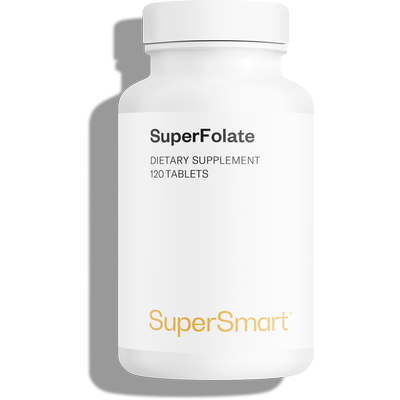
Discover SuperFolate, a fourth-generation folate (vitamin B9) supplement, immediately available to the body.
Ginseng
Traditionally used in Chinese medicine, ginseng may help reduce fatigue and exhaustion.
Discover SuperGinseng, a ginseng food supplement standardised to 30% ginsenosides.
Coenzyme Q10
A key cofactor in energy production in cells, coenzyme Q10 is being studied for its potential role in fatigue and heart function (6).
Discover Ubiquinol™, an active and highly bioavailable form of coenzyme Q10 to support cardiovascular health.
Vitamin C and alpha-lipoic acid
Vitamin C contributes to normal energy metabolism, normal nervous system function and reduced fatigue.
Alpha-lipoic acid is an antioxidant that has been studied for its potential effects on energy metabolism (7).
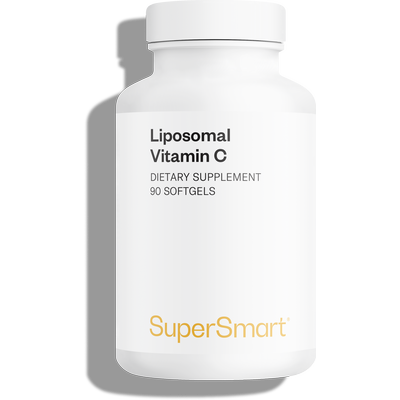
Discover Liposomal Vitamin C, an encapsulated form of vitamin C for optimal absorption.
Discover Alpha-Lipoic Acid, an antioxidant alpha-lipoic acid dietary supplement that boosts the power of vitamin C.
Essential precautions to be aware of
Orthostatic hypotension can be benign, but it can also be indicative of an underlying problem.
Before considering supplementation, it is essential to:
- consult a doctor to identify the real cause of the hypotension
- avoid supplements likely to lower blood pressure
- monitor blood pressure regularly
- only adjust your intake on medical advice, particularly if you are taking antihypertensive, diuretic or neurological medication
SUPERSMART ADVICE
References
- https://www.vidal.fr/maladies/coeur-circulation-veines/hypotension-orthostatique.html
- Juraschek SP, Miller ER, Wanigatunga AA, Schrack JA, Michos ED, Mitchell CM, Kalyani RR, Appel LJ. Effects of Vitamin D Supplementation on Orthostatic Hypotension: Results From the STURDY Trial. Am J Hypertens. 2022 Feb 1;35(2):192-199. doi: 10.1093/ajh/hpab147. PMID: 34537827; PMCID: PMC8807156.
- Didangelos T, Karlafti E, Kotzakioulafi E, Margariti E, Giannoulaki P, Batanis G, Tesfaye S, Kantartzis K. Vitamin B12 Supplementation in Diabetic Neuropathy: A 1-Year, Randomized, Double-Blind, Placebo-Controlled Trial. Nutrients. 2021 Jan 27;13(2):395. doi: 10.3390/nu13020395. PMID: 33513879; PMCID: PMC7912007.
- Rembold CM. Coenzyme Q10 Supplementation in Orthostatic Hypotension and Multiple-System Atrophy: A Report on 7 Cases. Am J Med. 2018 Apr;131(4):444-446. doi: 10.1016/j.amjmed.2017.10.021. Epub 2017 Dec 11. PMID: 29080629.
- Cotovio P, Silva C, Oliveira N, Costa F. Gitelman syndrome. BMJ Case Rep. 2013 Apr 11;2013:bcr2013009095. doi: 10.1136/bcr-2013-009095. PMID: 23585506; PMCID: PMC3645279.
- Claxton L, Simmonds M, Beresford L, Cubbon R, Dayer M, Gottlieb SS, Hartshorne-Evans N, Kilroy B, Llewellyn A, Rothery C, Sharif S, Tierney JF, Witte KK, Wright K, Stewart LA. Coenzyme Q10 to manage chronic heart failure with a reduced ejection fraction: a systematic review and economic evaluation. Health Technol Assess. 2022 Jan;26(4):1-128. doi: 10.3310/KVOU6959. PMID: 35076012.
- Prado MB Jr, Adiao KJB. Ranking Alpha Lipoic Acid and Gamma Linolenic Acid in Terms of Efficacy and Safety in the Management of Adults With Diabetic Peripheral Neuropathy: A Systematic Review and Network Meta-analysis. Can J Diabetes. 2024 Jun;48(4):233-243.e10. doi: 10.1016/j.jcjd.2024.01.007. Epub 2024 Jan 29. PMID: 38295879.
Keywords




5 Hours
Arrives in just five days even to Japan…
Arrives in just five days even to Japan – that’s insanely fast! Amazing lineup of innovative products.
namio
2 Days
Quality and choice of supplements.
Quality and choice of supplements.
Maja
6 Days
perfect great
perfect great
igor janic
11 Days
Good products and speedy delivery
Good products and speedy delivery
Jim
15 Days
Very good
Very good, fast delivery
Paddy
16 Days
Excellent products
Excellent products. Excellent servce.
MIFSUD Joseph
16 Days
It was sent expediently
It was sent expediently, the tracking worked nicely!
Roger De Backer
18 Days
Everything okay
Quality products people can account on. Fast shipping.
Fred Laan
28 Days
Good products
Good products
Emmanuel
32 Days
Always great service coupled with the…
Always great service coupled with the best of products Olive and David
David Walsh
34 Days
Products with quality
Products truly help.
Sari
36 Days
Your delivery service in DK is not…
Your delivery service in DK is not giving option of pick up in package shop of my choice!
SZCZEPANSKI Christopher
37 Days
Always good products
Always good products. Thank you
Silke Wieczorek
38 Days
Swift delivery
Swift delivery - quality products
Trusted
39 Days
Incredible and quick service and…
Incredible and quick service and delivery. Thank you again for your assistance. Your products are really helpful!
Kazanti Kleopatra
of experience
your money back
##montant## purchase