
Activated charcoal cure: when and how?
Would you like to take an activated charcoal cure? Knowing when and how to take activated charcoal can make all the difference. Discover our advice on how to take advantage of its effects on digestion and digestive disorders.


What is activated charcoal?
Definition of activated charcoal
Activated charcoal is a type of charcoal that has been treated to give it a highly porous surface capable of absorbing certain substances (the more precise term would be “adsorbing”, meaning to bind molecules to its surface rather than allowing them to penetrate deeply).
It is made from carbon-rich plant matter, then ‘activated’ to increase its porosity.
It is therefore very different from conventional charcoal, which is only used as a fuel and does not have this absorbent potential.
Characteristics of activated charcoal
Activated charcoal is capable of attracting and retaining all types of molecules and pollutants (toxins, gases, chemical residues, heavy metals, etc.).
It is for this absorption capacity that it is used to purify water naturally.
Edible activated charcoal: a safe and controlled version
During an activated charcoal cure, it is the version known as ‘food grade’ or ‘activated for internal use’ that is used.
This charcoal, purified and controlled according to strict standards, is specifically designed to be safe when ingested.
This food-grade activated charcoal can be found in nutritional supplements for the digestive system.
The potential benefits of activated charcoal for intestinal comfort
One of its best-known and most popular effects is the reduction of bloating and gas.
Activated charcoal helps to reduce excess flatulence after eating. Thanks to its porosity, it traps molecules present in the digestive tract before they can be absorbed and generate gas (1).
By capturing these fermentable substances, activated charcoal mechanically limits the sensation of bloating and the digestive discomfort that follows.
Activated charcoal has also been studied in animal models of intestinal infection, where it has been shown to reduce diarrhoea, bacterial load and markers of intestinal inflammation (2).
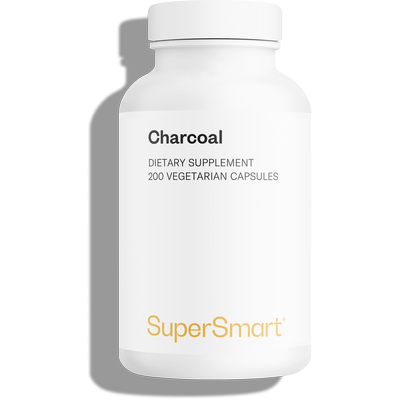
 Discover Charcoal, a highly absorbent activated vegetable charcoal designed to reduce excess flatulence after meals and reduce the build-up of intestinal gas.
Detoxifying power?
In the medical context, activated charcoal is commonly used in the event of accidental ingestion of drugs or toxic substances, to limit their absorption by the body.
One study (3) looked at its potential effects on the elimination of undesirable chemical substances. It suggests that it could neutralise or reduce their intestinal absorption.
Conducted in healthy volunteers, it showed that taking activated charcoal up to two hours after ingesting paracetamol significantly reduced the amount of paracetamol absorbed.
When and in what cases should activated charcoal be taken?
After a meal
Activated charcoal can be used after a heavy meal, rich in fat or fermenting foods (cabbage, legumes, raw vegetables, foods rich in fructose).
People prone to mild digestive problems such as swollen tummies and bloating appreciate taking it before or after a meal that is considered more difficult to digest.
It is also used in so-called 'detox' cures for the digestive system, as part of a purification or cleansing programme for the body.
What precautions should I take with activated charcoal?
It is advisable to take activated charcoal away from meals and medicines, as it is likely to absorb all the molecules it comes into contact with, without distinction.
To ensure that it does not deprive the body of the nutrients it needs, or the molecules used to treat it, it is important to take activated charcoal:
- 2 hours before or after a meal
- 2 hours before taking medication or food supplements
How long should activated charcoal be taken for?
Although activated charcoal is referred to as a ‘cure’, it should only be used occasionally.
Because of its high absorbency, prolonged use could interfere with the absorption of nutrients, vitamins and minerals, and unbalance the overall nutritional intake.
As a general rule, it is recommended to take it for short periods, from 1 to 3 days, or even up to a week on medical advice.
Other natural substances of interest for digestive health
Probiotics: for a balanced intestinal microbiota
Probiotics are living microorganisms which, according to the WHO definition, produce a health benefit when consumed in adequate quantities.
Probiotic supplements help to balance the intestinal microbiota. They can therefore complement the use of activated charcoal during episodes of digestive disorders.
Opting for a multi-layer probiotic supplement means you can benefit from a broader spectrum of microorganisms.
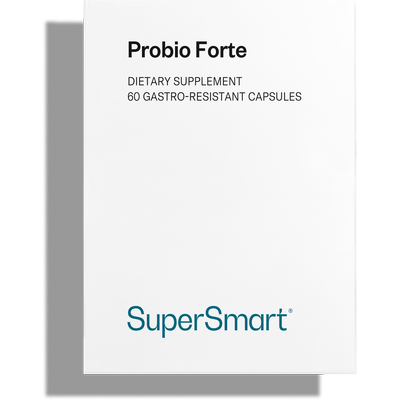
Discover Probio Forte, which combines 5 of the most studied probiotic strains and provides 8 billion microorganisms per capsule.
Digestive enzymes: for their role in food processing
Digestive enzymes are substances involved in the physiological process of breaking down nutrients (proteins, fats, carbohydrates).
Age and gastrointestinal disorders, among others, reduce the natural production of this type of enzyme (4).
Enzyme supplementation has been the subject of numerous studies suggesting effects on bloating, excess gas and flatulence (5).
Discover Digestive Enzymes, which combines the 15 most effective digestive enzymes in a single capsule.
Plants traditionally used to counter gastric acidity
Certain plants have always been used for their supposed effects on the stomach mucosa or to regulate gastric acidity.
This is the case with slippery elm, which soothes the digestive tract and is a source of mucilage that supports the mucous membranes.
Liquorice also features in traditional pharmacopoeias to help maintain balance and comfort in the digestive system of sensitive individuals (6). It has also been studied for its gastroprotective potential and anti-ulcer effect (7).
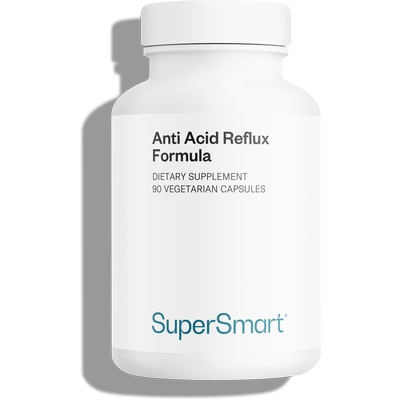
These plants are found in Anti-Acid Reflux Formula, in synergy with other natural compounds such as zinc and magnesium, to combat acid reflux.
The detoxifying power of Chlorella algae
Chlorella is a green microalga renowned for its ability to adsorb toxins.
Research has focused in particular on its role in eliminating pollutants accumulated in the body (8).
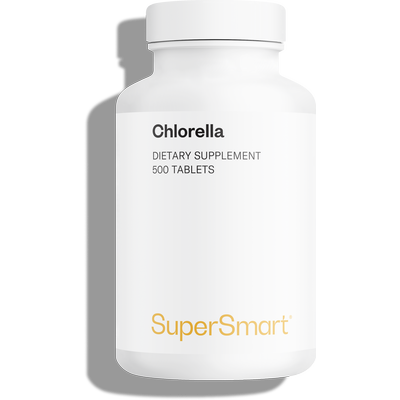
Discover Chlorella, a chlorella-based supplement for removing pollutants from the body.
Desmodium: to help detoxify the liver
Desmodium, a traditional plant native to West Africa, promotes liver function and acts as a liver drainer.
It is therefore used to help the liver cope with metabolic overload.
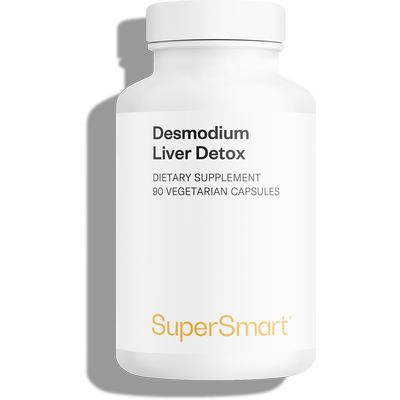
Discover Desmodium Liver Detox, a supplement based on premium Desmodium adscendens extract, a valuable asset in liver detox programmes.
Plants with draining properties
Certain plants offer additional support for digestion and intestinal function.
Aloe vera, for example, supports gastrointestinal health and contributes to regular bowel movements (9).
Senna leaf also supports intestinal function and helps maintain a healthy bowel movement.
Papaya is of interest for overall digestive comfort and is studied for its contribution to maintaining the physiology of the digestive tract.
Discover Colon Cleanse Formula, a formula based on aloe vera, senna, borage, dandelion, papaya, celery, peppermint and psyllium for gentle, deep cleansing of the intestinal tract and colon.
SUPERSMART ADVICE

References
- Jain NK, Patel VP, Pitchumoni CS. Efficacy of activated charcoal in reducing intestinal gas: a double-blind clinical trial. Am J Gastroenterol. 1986 Jul;81(7):532-5. PMID: 3521259.
- Heimesaat MM, Schabbel N, Langfeld LQ, Shayya NW, Mousavi S, Bereswill S. Prophylactic Oral Application of Activated Charcoal Mitigates Acute Campylobacteriosis in Human Gut Microbiota-Associated IL-10-/- Mice. Biomolecules. 2024 Jan 23 ; 14 (2) : 141. doi: 10.3390/biom14020141. PMID: 38397378; PMCID: PMC10886519.
- Christophersen AB, Levin D, Hoegberg LC, Angelo HR, Kampmann JP. Activated charcoal alone or after gastric lavage: a simulated large paracetamol intoxication. Br J Clin Pharmacol. 2002 Mar;53(3):312-7. doi: 10.1046/j.0306-5251.2001.01568.x. PMID: 11874395; PMCID: PMC1874309.
- Tian C, Ghodeif AO, Arshad S, Gillespie E. Pancreatic Insufficiency. 2025 Sep 14. In: StatPearls [Internet]. Treasure Island (FL): StatPearls Publishing; 2025 Jan —. PMID: 32310386.
- Ianiro G, Pecere S, Giorgio V, Gasbarrini A, Cammarota G. Digestive Enzyme Supplementation in Gastrointestinal Diseases. Curr Drug Metab. 2016;17(2):187-93. doi: 10.2174/138920021702160114150137. PMID: 26806042; PMCID: PMC4923703.
- Aslam B, Awan T, Javed I, Khaliq T. Gastroprotective and antioxidant potential of Glycyrrhiza glabra on experimentally induced gastric ulcers in albino mice. J Biomed Sci. 2015 Feb.
- Jalilzadeh-Amin G, Najarnezhad V, Anassori E, Mostafavi M, Keshipour H. Antiulcer properties of Glycyrrhiza glabra L. extract on experimental models of gastric ulcer in mice. Iran J Pharm Res. 2015 Fall;14(4):1163-70. PMID: 26664383; PMCID: PMC4673944.
- Merino JJ, Parmigiani-Izquierdo JM, Toledano Gasca A, Cabaña-Muñoz ME. The Long-Term Algae Extract (Chlorella and Fucus sp) and Aminosulphurate Supplementation Modulate SOD-1 Activity and Decrease Heavy Metals (Hg++, Sn) Levels in Patients with Long-Term Dental Titanium Implants and Amalgam Fillings Restorations. Antioxidants (Basel). 2019 Apr 16;8(4):101. doi: 10.3390/antiox8040101. PMID: 31014007; PMCID: PMC6523211.
- Hong SW, Chun J, Park S, Lee HJ, Im JP, Kim JS. Aloe vera Is Effective and Safe in Short-term Treatment of Irritable Bowel Syndrome: A Systematic Review and Meta-analysis. J Neurogastroenterol Motil. 2018 Oct 1 ; 24 (4) : 528-535. doi: 10.5056/jnm18077. PMID: 30153721; PMCID: PMC6175553.
Keywords





6 Days
Heldere info
Heldere info
HanS.
6 Days
Snelle levering
Snelle levering
harrie
11 Days
Adequate info en hoge kwaliteit
Adequate info en hoge kwaliteit
HanS.
21 Days
Supplementen zijn goed.
Supplementen zijn goed. Zachte prijzen. Website met problemen ( altijd ) niet goed voor nieuwe klanten.
Gino RJ
30 Days
Alles op tijd geleverd.
Alles op tijd geleverd. De producten worden alsmaar duurder, terwijl mijn pensioen niet meer stijgt. Vandaar kan ik alsmaar minder vaak bestellen.
Wouters
1101 Days
Great service
Great service
Ryszard
1113 Days
Profesjonalna obsługa
Bardzo dobre i rzeczowe opisy. Profesjonalna obsługa.
PIEKOSZEWSKI Chris
1781 Days
Wszystko OK!
Wszystko poszło jak powinno 🙂
SITKIEWICZ Pawel
2568 Days
Szybko sprawnie bez problemów
Szybko sprawnie bez problemów
Marek
of experience
your money back
##montant## purchase