
‘Hangover’: 4 natural remedies you should know about
After excessive alcohol consumption, fatigue, headaches, nausea and digestive discomfort are common. Certain natural approaches can support the body’s recovery on those difficult mornings.

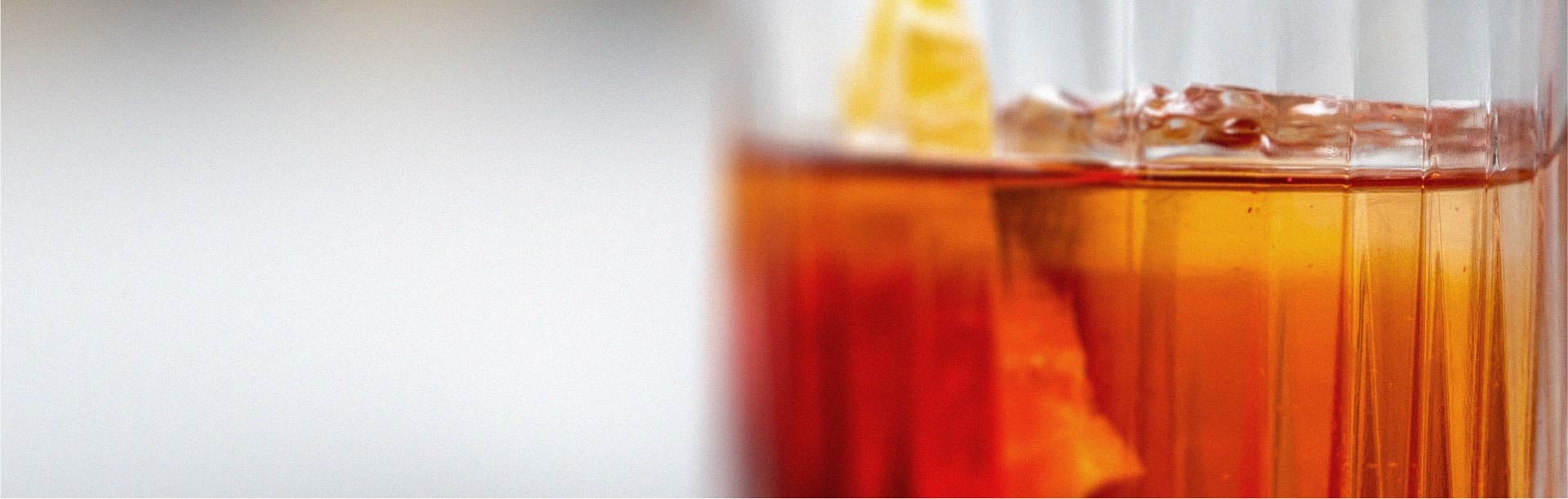
What you need to know about a ‘hangover’
Why do we get a hangover?
A ‘hangover’ refers to the range of symptoms experienced after excessive alcohol consumption, usually the next morning upon waking, when blood alcohol levels have started to drop:
- fatigue;
- intense thirst;
- severe headaches;
- sensitivity to light and noise;
- nausea;
- digestive problems;
- increased blood pressure and heart rate;
- difficulty concentrating.
This phenomenon, which lasts less than 24 hours, can be explained by several biological mechanisms.
On the one hand, alcohol has a diuretic effect that increases urine production, leading to dehydration and loss of electrolytes.
This situation can contribute to the onset of headaches, fatigue and a general feeling of weakness.
Furthermore, during the metabolisation of alcohol by the liver, a chemical substance called acetaldehyde is produced. This reactive compound, which is more toxic than ethanol (the chemical name for alcohol) itself, plays a role in many of the symptoms mentioned above.
At the same time, alcohol consumption disrupts sleep, lowers blood sugar levels, stimulates certain inflammatory processes and increases oxidative stress.
The combination of these various factors results in the typical clinical picture of a ‘hangover’ (1).
Steps to take after excessive alcohol consumption
There is no natural remedy that can instantly eliminate the effects of excessive alcohol consumption.
However, certain natural approaches help to counteract the mechanisms causing a hangover and can support physiological recovery:
- rehydrating and replenishing electrolytes lost due to alcohol’s diuretic effect;
- support the body with foods and nutrients involved in recovery in general;
- supporting the physiological functions involved in alcohol metabolism;
- helping to limit oxidative stress and certain nutritional imbalances.
The 4 natural remedies to use for a ‘hangover’
Rehydrate effectively
Dehydration is one of the main factors contributing to the symptoms experienced after a night of drinking.
This is because alcohol temporarily inhibits vasopressin, a hormone involved in fluid regulation. As a result, the kidneys excrete more water.
This loss affects not only water, but also the electrolytes it contains.
Certain minerals involved in fluid balance and neuromuscular function can thus be lost in large quantities, exacerbating fatigue, headaches, and even cramps in some people (2).
In practice, on a difficult morning, the best approach is to drink water regularly throughout the day, rather than consuming a large amount all at once.
Spreading out fluid intake is often better tolerated by the digestive system, especially if you’re feeling nauseous.
If dehydration is accompanied by significant mineral loss, it is also essential to ensure an adequate intake of electrolytes, such as sodium, potassium or magnesium, which are involved in numerous physiological functions.
 Discover the Hydratation Electrolytes Formula dietary supplement, an ultra-bioavailable electrolyte drink in powder form to be diluted, with clinically validated dosages.
Support the body with foods and nutrients involved in recovery
After excessive alcohol consumption, the body needs to return to a more stable state. And one of the best ways to help it do this is to provide consistent nutritional support by consuming:
- water-rich fruits to boost hydration;
- broths to combine hydrating fluids with minerals;
- easily digestible foods to limit stomach discomfort and avoid overworking the liver;
- sources of simple but healthy carbohydrates to maintain proper blood sugar levels.
As alcohol temporarily disrupts energy metabolism, an appropriate diet can contribute to general well-being following excessive alcohol consumption.
At the same time, certain substances are being researched for their interaction with alcohol metabolism, particularly in the liver.
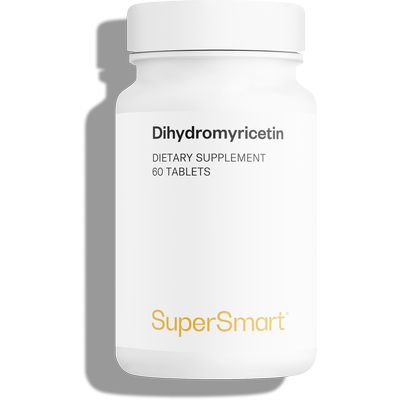
For example, dihydromyricetin, a flavonoid derived from an Asian plant, is attracting growing scientific interest in this field. However, human data remain limited to date (3).
Discover the dietary supplement Dihydromyricetin 300 mg, a natural extract of Ampelopsis grossedentata standardised to 98% dihydromyricetin.
Supporting the physiological functions involved in alcohol metabolism
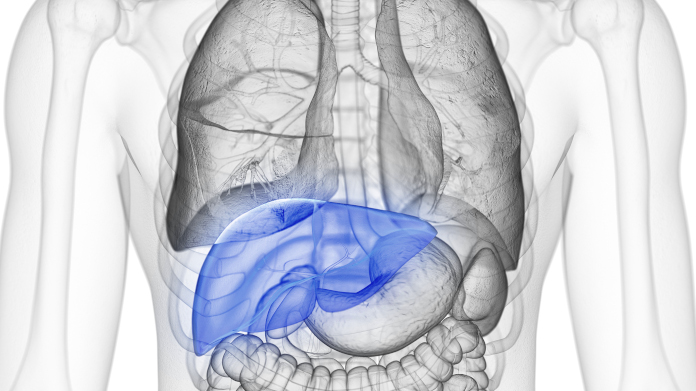
The liver plays a central role in alcohol metabolism. It is responsible for producing the enzymes that convert ethanol into acetaldehyde.
Acetaldehyde is then broken down by another enzyme to form acetate, which is mainly excreted in the urine.
During heavy drinking, the metabolic pathways involved in the elimination of toxins are therefore heavily taxed.
This physiological response may be accompanied by a marked feeling of fatigue and digestive discomfort.
To optimise these mechanisms, certain nutritional approaches combine plants, amino acids and micronutrients designed to maintain normal physiological functions.
Of course, no dietary supplement can claim to speed up the elimination of alcohol.
The aim is rather to support the body in gradually returning to balance by providing it with targeted nutritional elements.
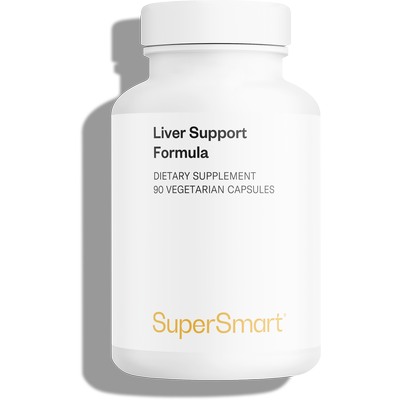
Discover the Liver Support Formula dietary supplement, containing desmodium, artichoke and milk thistle, which support normal liver function, as well as chlorella and various minerals and amino acids.
Limiting oxidative stress and nutritional imbalances linked to alcohol consumption
Alcohol consumption increases oxidative stress, i.e. the production of free radicals that can disrupt normal cellular function (4).
By disrupting digestion and promoting the loss of electrolytes, it also contributes to the development of nutritional imbalances.
This situation can lead to:
- slower recovery;
- prolonged fatigue;
- temporary metabolic disturbances.
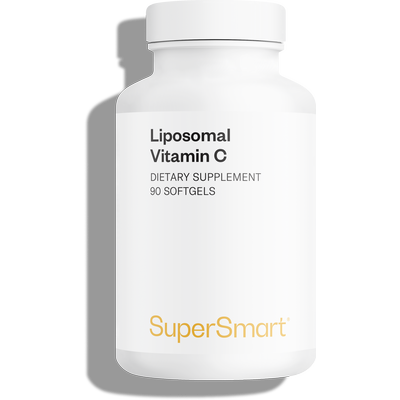
Ideal for countering this mechanism, vitamin C helps protect cells against oxidative stress, whilst supporting normal energy metabolism. It is therefore worth taking it the morning after a night out.
Discover the Liposomal Vitamin C dietary supplement, a highly bioavailable form of vitamin C.
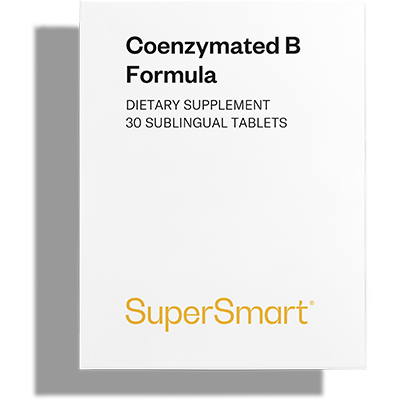
Meanwhile, several B vitamins (B1, B2, B3, B6, B12) contribute to normal energy metabolism and the normal functioning of the nervous system.
Discover the Coenzymated B Vitamins dietary supplement, which contains the full range of 8 B vitamins in coenzyme form.
Magnesium, meanwhile, helps reduce fatigue and supports normal nerve and muscle function.
Discover the OptiMag dietary supplement, which combines 8 synergistic forms of magnesium to cover 100% of the recommended daily intake for this mineral.
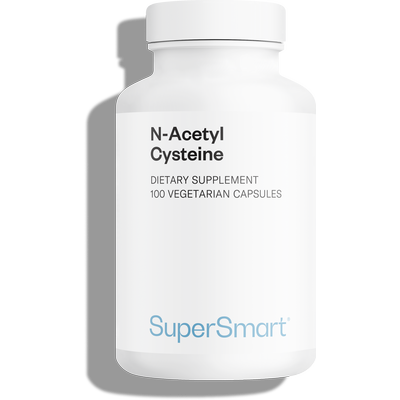
Finally, N-acetylcysteine is also attracting attention from the scientific community. It acts as a precursor to glutathione, a molecule involved in cellular antioxidant mechanisms (5).
It could therefore potentially support the body’s natural ability to protect itself against oxidative stress.
Discover the N-Acetyl Cysteine dietary supplement, offering an optimal daily dose of 1,800 mg.
Bonus: can you prevent a hangover?
Prevention remains the most effective strategy for avoiding feeling unwell the morning after a night out.
A few simple measures can help limit symptoms when you drink alcohol:
- drink water between each alcoholic drink, the rule being one glass of water for every glass of alcohol;
- avoid drinking on an empty stomach, as a full stomach helps slow down the absorption of alcohol;
- eat whilst you are drinking;
- take your time and drink slowly, rather than downing one drink after another;
- set a maximum number of drinks in advance that you will not exceed.
Certain plants are being studied in the context of alcohol-related behaviour and the addiction it causes in particular.
Kudzu is one of the best known.
One study in particular showed a reduction in weekly alcohol consumption among heavy drinkers who had used this plant for 4 weeks (6).
Discover the Kudzu Extract dietary supplement, made from the root of Pueraria lobata and containing a guaranteed 40% isoflavone content.
Some nutritional formulas, meanwhile, are designed to support hydration, micronutrient intake and recovery during or just after a night out.
However, they will never replace responsible drinking.
Discover the Alcohol Detox dietary supplement, to be taken whilst drinking at a rate of one capsule per glass of alcohol consumed.
Finally, bear in mind that no natural approach can completely eliminate the effects of excessive alcohol consumption. The best strategy therefore remains moderation!
SUPERSMART ADVICE

References
- Swift R, Davidson D. Alcohol hangover: mechanisms and mediators. Alcohol Health Res World. 1998;22(1):54-60. PMID: 15706734; PMCID: PMC6761819.
- Min JA, Lee K, Ki DJ. The application of minerals in managing alcohol hangover: a preliminary review. Curr Drug Abuse Rev. 2010 Jun;3(2):110-5. doi: 10.2174/1874473711003020110. PMID: 20712595.
- Shen Y, Lindemeyer AK, Gonzalez C, Shao XM, Spigelman I, Olsen RW, Liang J. Dihydromyricetin as a novel anti-alcohol intoxication medication. J Neurosci. 2012 Jan 4;32(1):390-401. doi: 10.1523/JNEUROSCI.4639-11.2012. PMID: 22219299; PMCID: PMC3292407.
- Turner BRH, Jenkinson PI, Huttman M, Mullish BH. Inflammation, oxidative stress and gut microbiome perturbation: A narrative review of mechanisms and treatment of the alcohol hangover. Alcohol Clin Exp Res (Hoboken). 2024 Aug;48(8):1451-1465. doi: 10.1111/acer.15396. Epub 2024 Jul 4. PMID: 38965644.
- Coppersmith V, Hudgins S, Stoltzfus J, Stankewicz H. The use of N-acetylcysteine in the prevention of hangover: a randomized trial. Sci Rep. 2021 Jun 28;11(1):13397. doi: 10.1038/s41598-021-92676-0. Erratum in: Sci Rep. 2021 Jul 21;11(1):15262. doi: 10.1038/s41598-021-94669-5. PMID: 34183702; PMCID: PMC8238992.
- Lukas SE, Penetar D, Su Z, Geaghan T, Maywalt M, Tracy M, Rodolico J, Palmer C, Ma Z, Lee DY. A standardized kudzu extract (NPI-031) reduces alcohol consumption in nontreatment-seeking male heavy drinkers. Psychopharmacology (Berl). 2013 Mar;226(1):65-73. doi: 10.1007/s00213-012-2884-9. Epub 2012 Oct 16. PMID: 23070022; PMCID: PMC3562758.
Keywords



18 Days
Prodotti eccezionali
Prodotti eccezionali! Consegna rapida e precisa
paola
28 Days
Heldere info
Heldere info
HanS.
28 Days
Snelle levering
Snelle levering
harrie
34 Days
Adequate info en hoge kwaliteit
Adequate info en hoge kwaliteit
HanS.
44 Days
Supplementen zijn goed.
Supplementen zijn goed. Zachte prijzen. Website met problemen ( altijd ) niet goed voor nieuwe klanten.
Gino RJ
53 Days
Alles op tijd geleverd.
Alles op tijd geleverd. De producten worden alsmaar duurder, terwijl mijn pensioen niet meer stijgt. Vandaar kan ik alsmaar minder vaak bestellen.
Wouters
1123 Days
Great service
Great service
Ryszard
1136 Days
Profesjonalna obsługa
Bardzo dobre i rzeczowe opisy. Profesjonalna obsługa.
PIEKOSZEWSKI Chris
1804 Days
Wszystko OK!
Wszystko poszło jak powinno 🙂
SITKIEWICZ Pawel
2591 Days
Szybko sprawnie bez problemów
Szybko sprawnie bez problemów
Marek
of experience
your money back
##montant## purchase