
Vaginal Microbiome: 5 Keys to a Healthy Intimate Balance
The vaginal microbiome plays an essential role in women’s intimate health. Composed of billions of microorganisms, it helps maintain a healthy vaginal environment. Certain factors influence its balance and can help preserve it.


How can you maintain the balance of the vaginal microbiome?
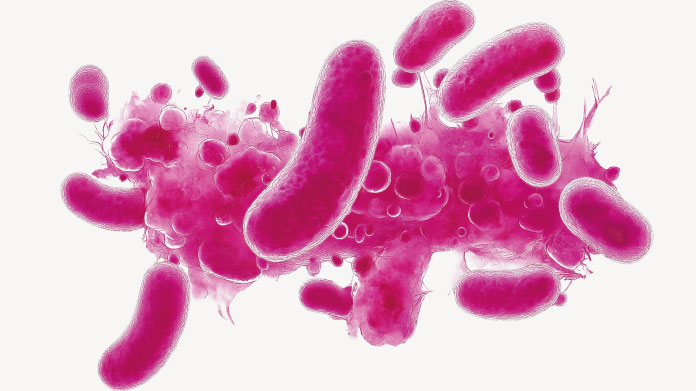
The vaginal microbiome refers to the collection of microorganisms naturally present within the vaginal ecosystem. Among them, lactobacilli generally play a dominant role and help maintain a healthy intimate environment (1).
To maintain the balance of the vaginal flora, several complementary approaches can be considered:
- adopting intimate hygiene practices that respect the flora;
- limiting factors that may disrupt the female microbiota;
- maintaining a favorable vaginal pH;
- supporting the intimate flora with certain strains of lactobacilli;
- focusing on a balanced diet and certain nutrients studied in the context of women’s intimate health.
These different approaches can work together and help maintain a balanced vaginal ecosystem.
5 Natural Solutions to Maintain the Balance of the Vaginal Microbiome
Adopt an intimate hygiene routine that respects the vaginal flora
When it comes to intimate hygiene, more isn’t necessarily better. In fact, overly aggressive hygiene can sometimes disrupt the natural balance of the vaginal flora just as much as insufficient hygiene.
Highly detergent-based products, unsuitable cleansers, vaginal douches, or the repeated use of antiseptic products can alter the natural environment of vaginal bacteria (2).
However, a few simple steps can generally help maintain intimate balance:
- choose gentle products designed for the intimate area;
- avoid douching;
- limit the use of antiseptic products unless medically recommended;
- wear comfortable, breathable underwear;
- avoid excessive cleansing—once a day is enough.
Minimise factors that disrupt the vaginal microbiota
The female microbiota naturally changes throughout life.
Therefore, we do not speak of a static vaginal microbiota, but rather of a dynamic ecosystem that is constantly adapting.
Many factors can influence its balance:
- hormonal fluctuations;
- menstruation;
- pregnancy;
- menopause;
- certain periods of stress;
- taking antibiotics;
- smoking;
- certain lifestyle habits.
These changes are often physiological and do not necessarily indicate a health problem.
For example, hormonal fluctuations can affect the composition of the vaginal flora as well as the vaginal pH.
Similarly, antibiotics can sometimes temporarily alter the balance of certain microbial populations.
Understanding that these variations are part of the normal functioning of the vaginal microbiota often helps us better understand the changes observed over the course of a woman’s life.
Maintaining a Healthy Vaginal pH
The vaginal microbiota and pH are closely linked. In women of childbearing age, the vaginal environment is generally naturally acidic.
This acidity helps maintain a favourable balance among the various microbial populations present within the intimate ecosystem.
Lactobacilli naturally present in the vaginal area contribute to this balance, notably by producing lactic acid.
This production helps maintain an environment conducive to the dominance of certain beneficial bacteria (3).
However, various factors can influence this balance:
- hormonal fluctuations;
- sexual intercourse;
- certain medications;
- menstruation;
- certain intimate hygiene habits.
To maintain a healthy intimate environment, it is generally recommended to practice gentle hygiene, limit unnecessary disruption of the vaginal flora, and maintain a healthy lifestyle overall.
Supporting the vaginal flora with probiotics (lactobacilli)
For several years, researchers have been studying the potential impact of probiotics on the female microbiome.
Certain strains are, in fact, the subject of specific studies. This is particularly true of Lactobacillus rhamnosus, Lactobacillus acidophilus, Lactobacillus casei and Lactobacillus salivarius (4).
These lactobacilli contribute to the balance of the microbiota and are thought to help maintain a diverse bacterial flora.
The mechanisms studied include, in particular, their ability to produce compounds that are beneficial to the vaginal environment and to support the presence of naturally occurring bacterial populations.
 Discover the Vaginal Health supplement, which combines several probiotic strains selected specifically for women’s intimate health to support the balance of the vaginal microbiota.
It is important to note, however, that probiotics are not intended to prevent, diagnose, or treat any medical condition. Their benefit lies in a holistic approach to supporting intimate health.
Focusing on Diet and Specific Nutrients Studied for Intimate Health
Today, scientific knowledge about the intimate microbiome remains less advanced than that regarding the gut microbiome.
Nevertheless, several studies suggest that there may be links between diet, lifestyle, and the balance of the female microbiome.
A varied and balanced diet thus appears to be a valuable foundation for supporting the body’s overall balance.
In this regard, several components are regularly studied for their potential effects. These include, in particular:
- dietary fibre;
- hydration;
- prebiotics;
- interactions between the gut microbiota and the vaginal microbiota.
Researchers specifically mention the existence of a gut-vagina axis that may influence certain microbial balances (5).
In addition, lactoferrin is among the nutritional compounds currently being studied.
This protein, which occurs naturally in several biological fluids, is the subject of research in the field of women’s intimate health (6).
Some studies suggest that it may help maintain an environment conducive to microbial balance, although the exact mechanisms are still being investigated.
Discover the Lactoferrin supplement, which provides highly purified lactoferrin—a compound currently being studied in the context of women’s intimate health and microbiota balance.
What signs might indicate an imbalance in the vaginal microbiota?
When an imbalance in the microbiota occurs, some women may notice changes in their intimate comfort or vaginal environment.
These symptoms may include a sensation of intimate discomfort, changes in vaginal discharge, certain unusual sensations (itching, discomfort), or perceived changes in intimate balance (7).
Please note: It is important to exercise caution. These signs can have many causes and, on their own, do not allow for an accurate assessment of the state of the vaginal microbiota.
If you experience persistent, unusual, or concerning symptoms, it is recommended that you consult a healthcare professional to obtain advice tailored to your situation.
SUPERSMART ADVICE
References
- Cribby S, Taylor M, Reid G. Vaginal Microbiota and the Use of Probiotics. https://pmc.ncbi.nlm.nih.gov/articles/PMC2662373/
- Martino JL, Vermund SH. Vaginal Douching: Evidence for Risks or Benefits to Women's Health. https://pmc.ncbi.nlm.nih.gov/articles/PMC2567125/
- Zhang Q, et al. Targeting vaginal dysbiosis: prospects for the application of live biotherapeutics products. https://pmc.ncbi.nlm.nih.gov/articles/PMC12891168/
- Tas GG, Sati L. Probiotic Lactobacillus rhamnosus species: considerations for female reproduction and offspring health. https://pmc.ncbi.nlm.nih.gov/articles/PMC11535107/
- Wang J, Li Z, Ma X, et al. Translocation of vaginal microbiota is involved in impairment and protection of uterine health. https://pmc.ncbi.nlm.nih.gov/articles/PMC8263591/
- Valenti P, Rosa L, Capobianco D, et al. Role of Lactobacilli and Lactoferrin in the Mucosal Cervicovaginal Defense. https://pmc.ncbi.nlm.nih.gov/articles/PMC5837981/
- Kairys N, Garg M. Bacterial Vaginosis. https://www.ncbi.nlm.nih.gov/books/NBK459216/
Keywords



2 Days
Prodotti eccezionali
Prodotti eccezionali! Consegna rapida e precisa
paola
12 Days
Heldere info
Heldere info
HanS.
12 Days
Snelle levering
Snelle levering
harrie
18 Days
Adequate info en hoge kwaliteit
Adequate info en hoge kwaliteit
HanS.
27 Days
Supplementen zijn goed.
Supplementen zijn goed. Zachte prijzen. Website met problemen ( altijd ) niet goed voor nieuwe klanten.
Gino RJ
37 Days
Alles op tijd geleverd.
Alles op tijd geleverd. De producten worden alsmaar duurder, terwijl mijn pensioen niet meer stijgt. Vandaar kan ik alsmaar minder vaak bestellen.
Wouters
1107 Days
Great service
Great service
Ryszard
1120 Days
Profesjonalna obsługa
Bardzo dobre i rzeczowe opisy. Profesjonalna obsługa.
PIEKOSZEWSKI Chris
1788 Days
Wszystko OK!
Wszystko poszło jak powinno 🙂
SITKIEWICZ Pawel
2575 Days
Szybko sprawnie bez problemów
Szybko sprawnie bez problemów
Marek
of experience
your money back
##montant## purchase