
Does everyone need dietary supplements?
While dietary supplements can benefit everyone, certain specific profiles benefit all the more obviously from them.


Micronutrients: deficiencies are still a reality
What role do micronutrients play in the body?
Micronutrients are nutrients that must be supplied to the body in minute quantities, yet are essential for it to function properly. They include vitamins, minerals, trace elements and essential fatty acids (1).
Unlike macronutrients such as proteins, carbohydrates and lipids, they do not provide energy, but are involved in hundreds of biochemical reactions affecting energy metabolism, hormone synthesis, immunity, bone renewal and nervous system balance. So it's easy to see how a significant or prolonged micronutrient deficiency can expose us to a range of potentially serious health problems (2).
From nutritional diseases to food supplements
History bears witness to this. Scurvy, linked to a lack of vitamin C, used to strike sailors who did not eat fresh fruit and vegetables during their long sea voyages, until experiments pointed to citrus fruit as a potential remedy (3). In fact, a daily ration of lemon juice and alcohol was administered to every member of the British navy from the end of the 18th century — a sort of dietary supplement before its time!
The increasing number of cases of rickets in newborns (a condition characterised by insufficient bone calcification) gradually prompted doctors to introduce preventive vitamin D supplements for pregnant women and young children, first with cod liver oil, then with cholecalciferol (vitamin D3) preparations (4).
The correction of iron deficiency anaemia, which is still very common in menstruating women, has been facilitated by the development of standardised iron tablets (5).
‘Silent’ deficiencies in developed countries
Although these diseases seem to be becoming less common in Western countries, this does not mean that micronutrient intakes are optimal, as several surveys have shown:
- in France, the INCA 3 study by ANSES revealed that the average daily intake of vitamin C, vitamin D and the omega-3 fatty acids EPA and DHA by adults fell short of the recommended daily intake (6);
- in the United States in the 1980s, the NHANES II national survey showed that 71% of men and 90% of women had inadequate intakes of vitamin B6 (7). A more recent survey, conducted between 2003 and 2008, revealed an over-consumption of sodium to the detriment of potassium among American adults (8);
- an analysis published in 2024 in The Lancet warned of widespread micronutrient deficiencies. More than 5 billion people in the world do not consume enough iodine, vitamin E and calcium, while 4 billion people do not ingest enough iron, riboflavin, folate or vitamin C (9).
Why do these deficiencies persist?
Micronutrient deficiencies are multifactorial and often precipitated by our modern lifestyles. The main causes include
- an increasingly processed and nutrient-depleted diet (10);
- exposure to pollutants, which generates oxidative stress at the cellular level and increases the need for antioxidants (11);
- chronic stress, which depletes reserves of certain minerals (12);
- ageing and/or digestive malabsorption, which impede the absorption of certain nutrients (13-14);
- restrictive diets (vegetarianism, veganism, etc.) that exclude certain categories of food and increase the risk of nutritional deficiencies (15).
While there is no substitute for a varied and balanced diet to cover daily micronutrient requirements, food supplements are a simple and effective strategy for optimising intakes. They are also one of the few ways to benefit from plant extracts not typically found in our diets, such as adaptogenic plants (ginseng, rhodiola etc.).
Who really needs food supplements?
Certain profiles at risk of deficiency are naturally more likely to benefit from supplementation.
Senior citizens
As we age, our bone density gradually declines, particularly in post-menopausal women, as a result of the collapse in oestrogen levels (16). The problem is that low bone mineral density increases the risk of falls and fractures. It has been precisely established that calcium and vitamin D help to reduce bone mineral loss in this context (17).
 Calcium Orotate and Vitamin D3 5000 IU cover your calcium and vitamin D needs respectively.
Ageing is also a cardiovascular risk factor, often in addition to others (smoking, stress, etc.). That's why it makes sense to increase your intake of omega-3 EPA and DHA, which help to maintain normal heart function, blood pressure and triglyceride levels (18).
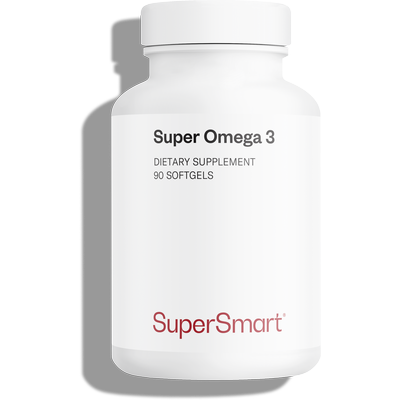
Discover Super Omega 3, which combines EPA and DHA in a pure, stable formula.
Pregnant or breastfeeding women
During pregnancy or when breastfeeding, nutrient requirements are naturally increased. Vitamin B9 in particular plays a crucial role in pregnant women, ensuring the normal growth of maternal tissues (19). Inadequate intakes expose the foetus to the risk of neural tube defects, which is why folate supplements are systematically offered from the pre-conception period until the first 2 months of pregnancy.
SuperFolate is a fourth-generation vitamin B9 supplement that is immediately available to the body.
Furthermore, iron requirements increase drastically during the second and third trimesters of pregnancy — reaching 20 mg per day, or even 30 to 50 mg if the expectant mother starts with low baseline levels (20). Finally, studies suggest that a slight to moderate iodine deficiency in pregnant women could adversely affect the neurological development of the unborn child, due to insufficient production of thyroid hormones. However, medical advice is essential before considering any supplementation (21).
Unlike other iron supplements, Iron Bisglycinate is very well tolerated by the digestive system.
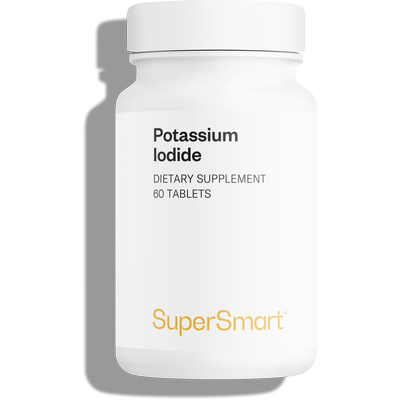
Potassium Iodide is a stable, highly bioavailable form of iodine.
Vegetarians and vegans
Non-consumption of animal products, particularly in the case of vegans who exclude dairy products and eggs, requires supplementation with vitamin B12, which contributes to the normal functioning of the nervous and immune systems and the normal formation of red blood cells (22).
Choose Methylcobalamin, a sublingual vitamin B12 supplement with maximised assimilation.
It should be noted that iron (which is poorly absorbed from plants) and the omega-3s EPA and DHA (mainly found in marine products) are frequently deficient (23-24).
People who are stressed or very active
Prolonged stress, overwork, intense physical activity... All these situations force the body to dip into its reserves of magnesium, a mineral that helps maintain normal muscular and psychological function, and draw upon the B group vitamins involved in macronutrient metabolism (25-26).
The OptiMag synergy combines 8 forms of magnesium with unequalled bioavailability.
Coenzymated B Formula brings together the full spectrum of B vitamins in a single formulation.
As an added bonus, adaptogenic plants such as rhodiola and ashwagandha provide invaluable support during periods of mental and nervous tension (27-28).
Balancing extracts can be found in Rhodiola Rosea and Super Ashwagandha.
Food supplements: precautions to take
Food supplements should not be taken lightly. To ensure that your supplementation is both sensible and safe, you should take a few precautions:
- If you suspect a deficiency (or a disorder linked to it), first consult your health professional to rule out other medical causes and receive appropriate advice.
- Always follow the recommended dosage. Excesses of certain vitamins or minerals (iron, vitamin A, etc.) can have undesirable effects on health (29-30).
- Take breaks from time to time to avoid overloading your body.
- Opt for forms that are genuinely bioavailable if you want to see truly tangible effects (and avoid multiplying unnecessary supplements).
SUPERSMART ADVICE
References
- Espinosa-Salas S, Gonzalez-Arias M. Nutrition: Micronutrient Intake, Imbalances, and Interventions. [Updated 2023 Sep 21]. In: StatPearls [Internet]. Treasure Island (FL): StatPearls Publishing; 2025 Jan-. Available from: https://www.ncbi.nlm.nih.gov/books/NBK597352/
- Institute of Medicine (US) Committee on Micronutrient Deficiencies; Howson CP, Kennedy ET, Horwitz A, editors. Prevention of Micronutrient Deficiencies: Tools for Policymakers and Public Health Workers. Washington (DC): National Academies Press (US); 1998. 1, Summary. Available from: https://www.ncbi.nlm.nih.gov/books/NBK230105/
- Maxfield L, Daley SF, Crane JS. Vitamin C Deficiency. [Updated 2023 Nov 12]. In: StatPearls [Internet]. Treasure Island (FL): StatPearls Publishing; 2025 Jan-. Available from: https://www.ncbi.nlm.nih.gov/books/NBK493187/
- Dahash BA, Sankararaman S. Rickets. [Updated 2023 Aug 7]. In: StatPearls [Internet]. Treasure Island (FL): StatPearls Publishing; 2025 Jan-. Available from: https://www.ncbi.nlm.nih.gov/books/NBK562285/
- Warner MJ, Kamran MT. Iron Deficiency Anemia. [Updated 2023 Aug 7]. In: StatPearls [Internet]. Treasure Island (FL): StatPearls Publishing; 2025 Jan-. Available from: https://www.ncbi.nlm.nih.gov/books/NBK448065/
- https://www.anses.fr/fr/system/files/NUT2014SA0234Ra.pdf
- Block G, Dresser CM, Hartman AM, Carroll MD. Nutrient sources in the American diet: quantitative data from the NHANES II survey. I. Vitamins and minerals. Am J Epidemiol. 1985 Jul;122(1):13-26. doi: 10.1093/oxfordjournals.aje.a114072. PMID: 4014190.
- Cogswell ME, Zhang Z, Carriquiry AL, Gunn JP, Kuklina EV, Saydah SH, Yang Q, Moshfegh AJ. Sodium and potassium intakes among US adults: NHANES 2003-2008. Am J Clin Nutr. 2012 Sep;96(3):647-57. doi: 10.3945/ajcn.112.034413. Epub 2012 Aug 1. PMID: 22854410; PMCID: PMC3417219.
- Simone Passarelli, Christopher M Free, Alon Shepon, Ty Beal, Carolina Batis, Christopher D Golden, Global estimation of dietary micronutrient inadequacies: a modelling analysis, The Lancet Global Health, Volume 12, Issue 10, 2024, Pages e1590-e1599, ISSN 2214-109X, https://doi.org/10.1016/S2214-109X(24)00276-6
- García-Blanco L, de la O V, Santiago S, Pouso A, Martínez-González MÁ, Martín-Calvo N. High consumption of ultra-processed foods is associated with increased risk of micronutrient inadequacy in children: The SENDO project. Eur J Pediatr. 2023 Aug;182(8):3537-3547. doi: 10.1007/s00431-023-05026-9. Epub 2023 May 19. PMID: 37204600; PMCID: PMC10460344.
- Lodovici M, Bigagli E. Oxidative stress and air pollution exposure. J Toxicol. 2011;2011:487074. doi: 10.1155/2011/487074. Epub 2011 Aug 13. PMID: 21860622; PMCID: PMC3155788.
- Lopresti AL. The Effects of Psychological and Environmental Stress on Micronutrient Concentrations in the Body: A Review of the Evidence. Adv Nutr. 2020 Jan 1;11(1):103-112. doi: 10.1093/advances/nmz082. PMID: 31504084; PMCID: PMC7442351.
- Norman K, Haß U, Pirlich M. Malnutrition in Older Adults-Recent Advances and Remaining Challenges. Nutrients. 2021 Aug 12;13(8):2764. doi: 10.3390/nu13082764. PMID: 34444924; PMCID: PMC8399049.
- Zuvarox T, Belletieri C. Malabsorption Syndromes. [Updated 2023 Jul 24]. In: StatPearls [Internet]. Treasure Island (FL): StatPearls Publishing; 2025 Jan-. Available from: https://www.ncbi.nlm.nih.gov/books/NBK553106/
- Bakaloudi DR, Halloran A, Rippin HL, Oikonomidou AC, Dardavesis TI, Williams J, Wickramasinghe K, Breda J, Chourdakis M. Intake and adequacy of the vegan diet. A systematic review of the evidence. Clin Nutr. 2021 May;40(5):3503-3521. doi: 10.1016/j.clnu.2020.11.035. Epub 2020 Dec 7. PMID: 33341313.
- Bouvard B, Annweiler C, Legrand E. Osteoporosis in older adults. Joint Bone Spine. 2021 May;88(3):105135. doi: 10.1016/j.jbspin.2021.105135. Epub 2021 Jan 21. PMID: 33486108.
- Nieves JW. Calcium, vitamin D, and nutrition in elderly adults. Clin Geriatr Med. 2003 May;19(2):321-35. doi: 10.1016/s0749-0690(02)00073-3. PMID: 12916289.
- Khan SU, Lone AN, Khan MS, Virani SS, Blumenthal RS, Nasir K, Miller M, Michos ED, Ballantyne CM, Boden WE, Bhatt DL. Effect of omega-3 fatty acids on cardiovascular outcomes: A systematic review and meta-analysis. EClinicalMedicine. 2021 Jul 8;38:100997. doi: 10.1016/j.eclinm.2021.100997. PMID: 34505026; PMCID: PMC8413259.
- Greenberg JA, Bell SJ, Guan Y, Yu YH. Folic Acid supplementation and pregnancy: more than just neural tube defect prevention. Rev Obstet Gynecol. 2011 Summer;4(2):52-9. PMID: 22102928; PMCID: PMC3218540.
- Institute of Medicine (US) Committee on Nutritional Status During Pregnancy and Lactation. Nutrition During Pregnancy: Part I Weight Gain: Part II Nutrient Supplements. Washington (DC): National Academies Press (US); 1990. 14, Iron Nutrition During Pregnancy. Available from: https://www.ncbi.nlm.nih.gov/books/NBK235217/
- Skeaff SA. Iodine deficiency in pregnancy: the effect on neurodevelopment in the child. Nutrients. 2011 Feb;3(2):265-73. doi: 10.3390/nu3020265. Epub 2011 Feb 18. PMID: 22254096; PMCID: PMC3257674.
- Fernandes S, Oliveira L, Pereira A, Costa MDC, Raposo A, Saraiva A, Magalhães B. Exploring Vitamin B12 Supplementation in the Vegan Population: A Scoping Review of the Evidence. Nutrients. 2024 May 10;16(10):1442. doi: 10.3390/nu16101442. PMID: 38794680; PMCID: PMC11124153.
- Pawlak R, Berger J, Hines I. Iron Status of Vegetarian Adults: A Review of Literature. Am J Lifestyle Med. 2016 Dec 16;12(6):486-498. doi: 10.1177/1559827616682933. PMID: 30783404; PMCID: PMC6367879.
- Saunders AV, Davis BC, Garg ML. Omega-3 polyunsaturated fatty acids and vegetarian diets. Med J Aust. 2013 Aug 19;199(S4):S22-6. doi: 10.5694/mja11.11507. PMID: 25369925.
- Pickering G, Mazur A, Trousselard M, Bienkowski P, Yaltsewa N, Amessou M, Noah L, Pouteau E. Magnesium Status and Stress: The Vicious Circle Concept Revisited. Nutrients. 2020 Nov 28;12(12):3672. doi: 10.3390/nu12123672. PMID: 33260549; PMCID: PMC7761127.
- Dam BV. Vitamins and sport. Br J Sports Med. 1978 Jun;12(2):74-9. doi: 10.1136/bjsm.12.2.74. PMID: 356925; PMCID: PMC1859644.
- Ivanova Stojcheva E, Quintela JC. The Effectiveness of Rhodiola rosea L. Preparations in Alleviating Various Aspects of Life-Stress Symptoms and Stress-Induced Conditions-Encouraging Clinical Evidence. Molecules. 2022 Jun 17;27(12):3902. doi: 10.3390/molecules27123902. PMID: 35745023; PMCID: PMC9228580.
- Majeed M, Nagabhushanam K, Mundkur L. A standardized Ashwagandha root extract alleviates stress, anxiety, and improves quality of life in healthy adults by modulating stress hormones: Results from a randomized, double-blind, placebo-controlled study. Medicine (Baltimore). 2023 Oct 13;102(41):e35521. doi: 10.1097/MD.0000000000035521. PMID: 37832082; PMCID: PMC10578737.
- Olson JM, Ameer MA, Goyal A. Vitamin A Toxicity. [Updated 2023 Sep 2]. In: StatPearls [Internet]. Treasure Island (FL): StatPearls Publishing; 2025 Jan-. Available from: https://www.ncbi.nlm.nih.gov/books/NBK532916/
- McDowell LA, Chen RJ, Sticco KL. Iron Overload. [Updated 2024 Jan 11]. In: StatPearls [Internet]. Treasure Island (FL): StatPearls Publishing; 2025 Jan-. Available from: https://www.ncbi.nlm.nih.gov/books/NBK526131/



1 Days
A wide selection and high-quality products
I order regularly and am always happy with the service
Maria Teresa Jannone
3 Days
Prompt delivery
Prompt delivery
Alan
4 Days
A bit expensive but really good…
A bit expensive but really good products. I have been a customer for years now.
ma.schi
4 Days
TOP service & products
TOP service & products
PINOTTI Giorgio
10 Days
Catalase is great product that do his…
Catalase is great product that do his job.
SARAJLIC Edin
12 Days
Super quick and efficient delivery.
Super quick and efficient delivery.
Andre Glazov
13 Days
Easy to use and clear websites.
Easy to use and clear websites.
MISKA
15 Days
Prompt service delivery experience with…
Prompt service delivery experience with quality assurance and customer satisfaction
Craigh Carnell
16 Days
Excellent
Excellent, I've been looking for a reliable supplier of noopept for many years and Super Smart came to my attention.Will definietly be ordering again.
Ecom Luxx
16 Days
Easy ordering
Easy ordering, great products, and excellent shipping updates. Super Smart Supplements delivered… Bravo
Donald Lenahan
17 Days
good
customer service
danny
26 Days
Excellent products
Excellent products. Fast delivery.
Magnolia Skier
26 Days
Excellent company with quality health…
Excellent company with quality health products. Good delivery service with tracking.
Sam
29 Days
Product
Product Delivery service Quality
CUKU Gazment
30 Days
fast service
fast service
Nataša Cmiljanič
of experience
your money back
##montant## purchase