
Lactoferrin: a clinical trial puts immune cells to the test
Naturally present in milk and certain secretions, lactoferrin has intrigued researchers. A new trial investigated how the immune cells of adults over 50 reacted to viruses following supplementation.
- ✓A clinical trial compared two doses of bovine lactoferrin in 103 adults aged over 50.
- ✓After four weeks, the researchers analysed the response of their immune cells when exposed to viruses in the laboratory.
- ✓Several immune markers and cell populations showed different changes depending on the dose administered.
- ✓The participants were never infected: only their immune cells were studied ex vivo.
- ✓This study provides new insights into the immune responses observed following supplementation, without demonstrating protection against infections.


Why are researchers interested in lactoferrin?
Lactoferrin is a glycoprotein belonging to the transferrin family, characterised in particular by its ability to bind iron. Naturally present in the milk of most mammals, it is found in particularly high concentrations in colostrum (the first breast milk produced after birth). The human body also secretes it in tears, saliva and various mucous membranes (1).
Lactoferrin is also stored and released by neutrophils, white blood cells that form the first line of defence in the immune system (2). Researchers are therefore investigating its role in several immune mechanisms, notably the deprivation of iron from pathogenic microorganisms, the modulation of cytokine production, the regulation of the inflammatory response, and its interactions with various populations of immune cells (3–4).
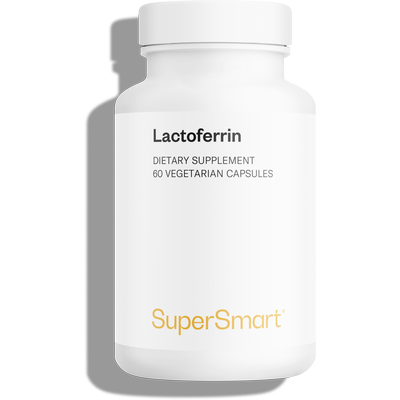
 Each Lactoferrin capsule provides 250mg of bovine lactoferrin extracted from whey proteins.
What does this new clinical trial on lactoferrin show?
How was the study conducted?
Published in 2026 in the British Journal of Nutrition, this randomised, double-blind, placebo-controlled study involved 103 healthy adults aged 50 or over (5). For 4 weeks, they received either 200mg or 600mg of bovine lactoferrin daily, or a placebo.
Before and after the supplementation period, the researchers collected immune system cells from the participants’ blood. These were then exposed in the laboratory to two respiratory viruses: rhinovirus A-16, which is frequently associated with the common cold, and influenza A virus (H1N1). The scientists then measured the production of various cytokines and monitored changes in several populations of immune cells.
This was therefore a so-called ex vivo experiment: the participants were never actually infected with these viruses. It was their cells, collected after the supplementation period, that were tested in the laboratory.
What results did the researchers observe?
After four weeks, several differences emerged between the groups. Notably, with 600mg of lactoferrin per day, the cells exposed to the rhinovirus produced less IL-6 than those from the placebo group. This cytokine plays a role in coordinating the inflammatory response: its reduction therefore indicates a change in this response, but does not in itself mean that the participants were better protected against the virus.
At this same dose, the researchers observed higher numbers of total T cells and CD4+ T cells than with the placebo. These cells play a central role in adaptive immunity, notably by orchestrating responses directed against pathogens.
The 200mg dose, on the other hand, affected immune parameters differently: the frequencies of several cell populations — neutrophils, NK cells, activated CD8+ T cells and γδ T cells — were lower than in the placebo group. Furthermore, certain markers of systemic inflammation, notably IL-6 and CRP, were lower with the 600mg dose than with the 200mg dose, but there was no significant difference compared with the placebo.
The two dosages therefore produced distinct immune profiles. The high dose increased T-cell subpopulations and reduced systemic inflammation, whilst the low dose reduced pro-inflammatory and cytotoxic immune cells. This is an interesting finding suggesting that increasing the dose does not systematically amplify all the observed effects, but may modulate certain components of the immune response differently.
Why does this study provide interesting insights?
The uniqueness of this clinical trial lies in its approach. The researchers did not simply measure blood markers after supplementation: they also observed how immune cells taken from the participants subsequently reacted to viral stimulation in the laboratory. This method, which is still relatively uncommon in lactoferrin trials, allows the functional response of cells that have been exposed to the substance within the human body itself to be explored, rather than merely the effects of direct addition to cells in culture.
The study is also significant in that it compared two doses of lactoferrin using a randomised, double-blind, placebo-controlled protocol involving adults over 50 years of age, in whom the first signs of immune ageing tend to appear (6).
Its results must, however, be interpreted with caution. The participants were not exposed to viruses: only their cells were exposed ex vivo. The study therefore provides information on changes in certain immune markers and populations following supplementation, rather than on lactoferrin’s ability to prevent colds or infections.
This research thus provides new insights into the immunomodulatory potential of lactoferrin in humans. Further studies are, however, needed to determine whether these changes observed at the cellular level translate into actual clinical benefits.
Are all lactoferrin supplements the same?
Mammalian milk is a natural source of lactoferrin. Colostrum, produced during the first few days after birth, is particularly rich in lactoferrin, but its concentration subsequently decreases in mature milk (7).
Lactoferrin is also available in the form of dietary supplements. In this form, it is generally of bovine origin and extracted from milk or whey. However, not all supplements are created equal. The source, the degree of purity and iron content, the extraction process and the dosage are all factors that affect its properties.
Extracted and purified from bovine whey, Lactoferrin provides 250mg of lactoferrin per capsule.
One subtle point to bear in mind when reading studies is that the form and dosage of lactoferrin assessed do not necessarily correspond to those of the chosen supplement.
What other nutrients contribute to the normal functioning of the immune system?
Lactoferrin can form part of a more holistic nutritional approach to immune health, based primarily on adequate intakes of essential vitamins and minerals, possibly supported by certain plant extracts.
Micronutrients essential for immune function
Zinc contributes to the normal functioning of the immune system and plays a role in numerous cellular processes (8). In particular, it is involved in DNA and protein synthesis, cell division and the protection of cells against oxidative stress. It is found, in particular, in oysters, meat, dairy products, pulses and nuts.
Zinc Bisglycinate provides zinc in the form of bisglycinate, which is renowned for its excellent bioavailability.
Vitamin C also contributes to normal immune function and protects cells from oxidation (9). Fresh fruit and vegetables, particularly citrus fruits, kiwis, peppers and cruciferous vegetables, are good sources of it.
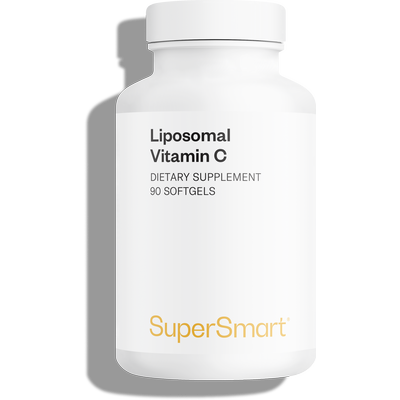
Liposomal Vitamin C encapsulates vitamin C in lipid vesicles to maximise its absorption.
Finally, vitamin D also contributes to the normal functioning of the immune system. Its receptor is present on many immune cells, and its active form plays a role in regulating both innate and adaptive immune responses (10). Whilst the body synthesises it mainly in the skin through exposure to sunlight, it is unfortunately not very abundant in the diet and is frequently deficient.
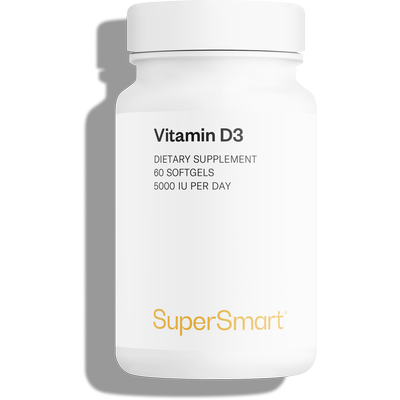
Vitamin D3 5000 IU provides an easy and effective way to optimise your intake.
Formulas combining several compounds
Some formulations combine several ingredients that work synergistically.
Long used by Native American populations, and later by European herbalists, echinacea (Echinacea purpurea) is now one of the best-documented plants for supporting the body’s natural defences (11).
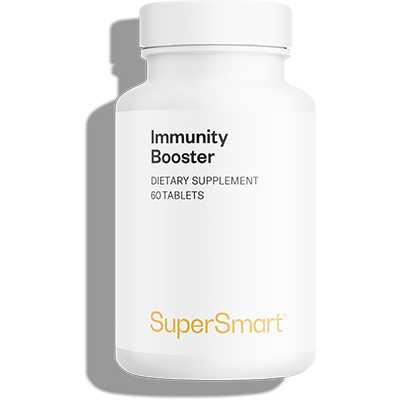
Immunity Booster combines organic echinacea, vitamin C and zinc for enhanced effectiveness.
Certain species of mushrooms, such as reishi, shiitake and maitake, are particularly rich in beta-glucans, polysaccharides that may interact with certain receptors on the surface of immune cells (12–13).
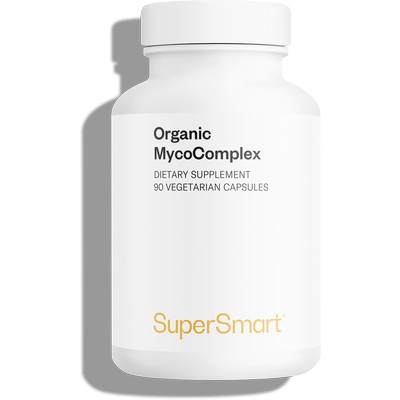
Organic MycoComplex combines 7 organic medicinal mushrooms, ginseng and selenium in a synergistic formula designed to support vitality and immune balance.
SUPERSMART ADVICE

References
- Kowalczyk P, Kaczyńska K, Kleczkowska P, Bukowska-Ośko I, Kramkowski K, Sulejczak D. The Lactoferrin Phenomenon-A Miracle Molecule. Molecules. 2022 May 4;27(9):2941. doi: 10.3390/molecules27092941. PMID: 35566292; PMCID: PMC9104648.
- Wong SH, Francis N, Chahal H, Raza K, Salmon M, Scheel-Toellner D, Lord JM. Lactoferrin is a survival factor for neutrophils in rheumatoid synovial fluid. Rheumatology (Oxford). 2009 Jan;48(1):39-44. doi: 10.1093/rheumatology/ken412. Epub 2008 Nov 23. PMID: 19029133; PMCID: PMC2639483.
- Ochoa TJ, Cleary TG. Effect of lactoferrin on enteric pathogens. Biochimie. 2009 Jan;91(1):30-4. doi: 10.1016/j.biochi.2008.04.006. Epub 2008 Apr 18. PMID: 18472012; PMCID: PMC2626156.
- Presti S, Manti S, Parisi GF, Papale M, Barbagallo IA, Li Volti G, Leonardi S. Lactoferrin: Cytokine Modulation and Application in Clinical Practice. J Clin Med. 2021 Nov 23;10(23):5482. doi: 10.3390/jcm10235482. PMID: 34884183; PMCID: PMC8658270.
- Berthon BS, Williams EJ, Williams LM, Budden KF, Hiles SA, Bartlett NW, Wood LG. Oral lactoferrin reduces systemic inflammation, enhances anti-viral responses and modulates immune cell profiles: a randomised controlled trial in healthy, older adults. Br J Nutr. 2026 Feb 4;135(9):1-15. doi: 10.1017/S000711452610631X. Epub ahead of print. PMID: 41634901; PMCID: PMC13315551.
- Weyand CM, Goronzy JJ. Aging of the Immune System. Mechanisms and Therapeutic Targets. Ann Am Thorac Soc. 2016 Dec;13 Suppl 5(Suppl 5):S422-S428. doi: 10.1513/AnnalsATS.201602-095AW. PMID: 28005419; PMCID: PMC5291468.
- Artym J, Zimecki M. Colostrum and Lactoferrin Protect against Side Effects of Therapy with Antibiotics, Anti-inflammatory Drugs and Steroids, and Psychophysical Stress: A Comprehensive Review. 2023 Mar 27;11(4):1015. doi: 10.3390/biomedicines11041015. PMID: 37189633; PMCID: PMC10136316.
- Wessels I, Maywald M, Rink L. Zinc as a Gatekeeper of Immune Function. 2017 Nov 25;9(12):1286. doi: 10.3390/nu9121286. PMID: 29186856; PMCID: PMC5748737.
- Carr AC, Maggini S. Vitamin C and Immune Function. Nutrients. 2017 Nov 3;9(11):1211. doi: 10.3390/nu9111211. PMID: 29099763; PMCID: PMC5707683.
- Aranow C. Vitamin D and the immune system. J Investig Med. 2011 Aug;59(6):881-6. doi: 10.2310/JIM.0b013e31821b8755. PMID: 21527855; PMCID: PMC3166406.
- Zhai Z, Liu Y, Wu L, Senchina DS, Wurtele ES, Murphy PA, Kohut ML, Cunnick JE. Enhancement of innate and adaptive immune functions by multiple Echinacea species. J Med Food. 2007 Sep;10(3):423-34. doi: 10.1089/jmf.2006.257. PMID: 17887935; PMCID: PMC2362099.
- Guggenheim AG, Wright KM, Zwickey HL. Immune Modulation From Five Major Mushrooms: Application to Integrative Oncology. Integr Med (Encinitas). 2014 Feb;13(1):32-44. PMID: 26770080; PMCID: PMC4684115.
- Akramiene D, Kondrotas A, Didziapetriene J, Kevelaitis E. Effects of beta-glucans on the immune system. Medicina (Kaunas). 2007;43(8):597-606. PMID: 17895634.



17 Days
Prodotti eccezionali
Prodotti eccezionali! Consegna rapida e precisa
paola
28 Days
Heldere info
Heldere info
HanS.
28 Days
Snelle levering
Snelle levering
harrie
33 Days
Adequate info en hoge kwaliteit
Adequate info en hoge kwaliteit
HanS.
43 Days
Supplementen zijn goed.
Supplementen zijn goed. Zachte prijzen. Website met problemen ( altijd ) niet goed voor nieuwe klanten.
Gino RJ
52 Days
Alles op tijd geleverd.
Alles op tijd geleverd. De producten worden alsmaar duurder, terwijl mijn pensioen niet meer stijgt. Vandaar kan ik alsmaar minder vaak bestellen.
Wouters
1122 Days
Great service
Great service
Ryszard
1135 Days
Profesjonalna obsługa
Bardzo dobre i rzeczowe opisy. Profesjonalna obsługa.
PIEKOSZEWSKI Chris
1803 Days
Wszystko OK!
Wszystko poszło jak powinno 🙂
SITKIEWICZ Pawel
2590 Days
Szybko sprawnie bez problemów
Szybko sprawnie bez problemów
Marek
of experience
your money back
##montant## purchase