
10 foods that are good for the liver
The liver plays a role in metabolism, the storage of nutrients, the synthesis of molecules and the elimination of certain substances. Discover 10 foods rich in fibre, antioxidants or other compounds that are beneficial for its proper functioning.
- ✓No single food ‘detoxifies’ the liver on its own: a varied and balanced diet helps it to function properly.
- ✓Vegetables, fruit, pulses, whole grains, oily fish, nuts and olive oil provide nutrients that are beneficial for liver health.
- ✓Fibre, polyphenols, glucosinolates and unsaturated fatty acids are the subject of research into their links with metabolism and liver health.
- ✓Certain dietary supplements can complement this approach, as part of a holistic strategy.


Why is diet important for the liver?
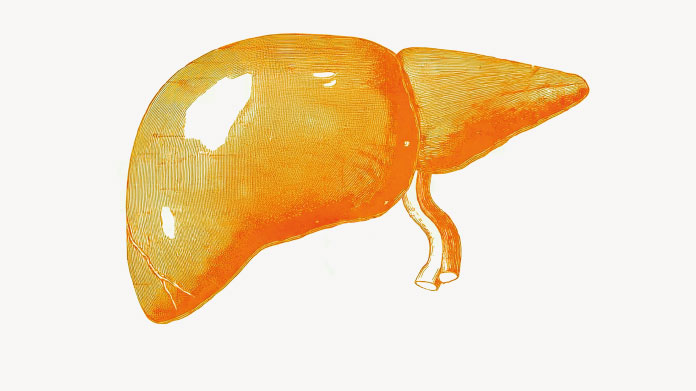
The liver performs many essential functions (1):
- it plays a part in the metabolism of carbohydrates, fats and proteins;
- it produces bile, which aids the digestion of fats;
- it stores glycogen, certain vitamins and certain minerals;
- it synthesises many proteins, particularly those involved in the transport of substances and blood clotting;
- it metabolises and facilitates the elimination of certain substances.
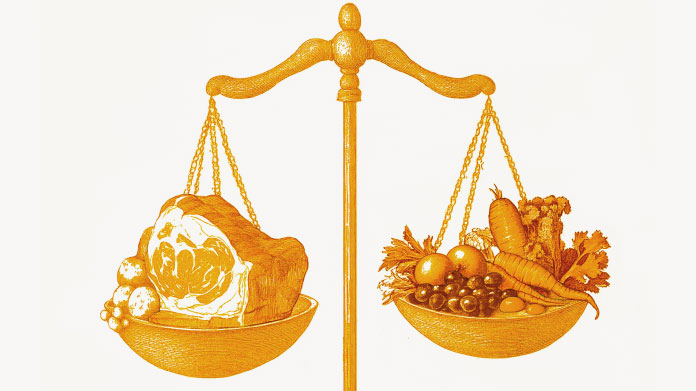
A varied and balanced diet provides the nutrients necessary for the liver to function properly. And certain foods are of particular benefit due to their fibre, antioxidant or other compound content.
However, no single food can, on its own, ‘clean’ or ‘detoxify’ the liver. Liver health depends on the diet as a whole and, more broadly, on one’s lifestyle.
10 foods that are good for the liver
Artichokes: a vegetable rich in fibre and polyphenols
Traditionally associated with liver health, the artichoke is notable above all for its high fibre content and the presence of various polyphenols, notably caffeoylquinic acids and luteolin derivatives.
Their fibre helps maintain healthy bowel function and can serve as a substrate for certain bacteria in the gut microbiota.
Their polyphenols, meanwhile, are being studied for their antioxidant activity.
Easily incorporated into salads, steamed dishes or Mediterranean recipes, the artichoke is therefore a valuable food within the context of a varied and balanced diet, without, however, ‘detoxifying’ the liver (2).
Artichokes also show potential benefits for bile secretion, a fluid produced by the liver, stored in the gallbladder and then released into the intestine, where it plays a key role in digestion and the absorption of fats.
A randomised, placebo-controlled, double-blind pilot study involving 20 participants showed, for example, a 151.5 per cent increase in bile secretion compared with baseline, 60 minutes after administration of a standardised artichoke leaf extract (3).
Cruciferous vegetables, sources of glucosinolates
Broccoli, cabbage, cauliflower and Brussels sprouts contain glucosinolates, sulphur-containing compounds characteristic of this family.
When chopped, chewed and digested, these can give rise to various bioactive molecules, such as isothiocyanates.
These substances are being studied, in particular, for their ability to modulate certain enzymes involved in the biotransformation of molecules by the body.
Cruciferous vegetables also contribute to fibre intake and support healthy bowel function.
Brief steaming generally helps to minimise the loss of certain glucosinolates more effectively than prolonged boiling in water (4–5).
Oily fish, for a good source of omega-3
Sardines, mackerel, herring, salmon and trout provide long-chain omega-3 fatty acids, mainly EPA and DHA.
These fatty acids are key components of cell membranes and play a role in various mechanisms of lipid metabolism.
Several studies suggest that omega-3 supplementation may reduce the amount of fat accumulated in the liver in people with fatty liver disease (6).
ANSES recommends eating two portions of fish per week, including one portion of oily fish, whilst varying the types and origins of the fish.
Pulses: a good source of fibre for the gut-liver axis
Lentils, chickpeas, dried beans and split peas combine fibre, plant-based protein and complex carbohydrates.
Some of their fibre and resistant starch is fermented by bacteria in the gut microbiota, which then produce various metabolites, notably short-chain fatty acids.
These metabolites play a role in the interactions between the gut and various organs, including the liver. And this ‘gut-liver axis’ is currently the subject of extensive research (7).
Whether in salads, soups, purées or curries, they can easily be incorporated into your daily diet.
Red berries, rich in polyphenols
Blueberries, raspberries, blackberries, blackcurrants and strawberries contain numerous polyphenols, notably anthocyanins, which are responsible for their red, blue or purple colours.
These compounds are being studied for their antioxidant activity and their ability to influence various cellular mechanisms linked to oxidative stress.
Research is particularly exploring their benefits in the context of liver metabolism, although no direct effect on the liver can be attributed to the consumption of red berries (8).
Whether fresh or frozen, they can easily be incorporated into breakfast, in yoghurt or in a fruit salad.
Coffee, one of the most widely studied drinks for liver health
Whilst best known for its stimulating effect, coffee is also one of the most well-documented drinks in the field of liver health.
Numerous observational studies link regular coffee consumption to a lower risk of fibrosis, cirrhosis, chronic liver disease or hepatocellular carcinoma.
Caffeine, chlorogenic acids and certain diterpenes may play a role in various mechanisms linked to oxidative stress, inflammation and fibrosis, but these hypotheses are still under investigation (9).
Citrus fruits, sources of vitamin C and flavonoids
Oranges, lemons, grapefruit and mandarins provide vitamin C as well as various flavonoids, such as hesperidin and naringin.
Vitamin C helps to protect cells against oxidative stress.
The flavonoids in citrus fruits are also the subject of research into various metabolic mechanisms, particularly in the liver.
When eaten whole, citrus fruits provide water and more fibre than their juices (10).
As grapefruit may interact with certain medicines, it is recommended that you check the package leaflet or seek advice from a doctor or pharmacist if you are taking any medication (11).
Nuts: a source of unsaturated fats
Walnuts, almonds, hazelnuts and pistachios are primarily a source of unsaturated fatty acids, as well as fibre, plant-based protein and various minerals.
Almonds and hazelnuts are particularly notable for their vitamin E content, which helps protect cells against oxidative stress.
Walnuts, for their part, provide alpha-linolenic acid, a plant-based omega-3 fatty acid.
Walnuts also contain various polyphenols, which are often concentrated in their thin skin (12).
As a substitute for a snack high in sugar or saturated fat, a small handful of unsalted nuts helps to improve the overall quality of your diet.
Wholemeal cereals, for more fibre
The liver plays a vital role in regulating blood sugar levels, particularly by storing glucose as glycogen and then releasing it as the body needs it.
Wholemeal grains, such as oats, brown rice, barley or wholemeal bread, generally provide more fibre than their refined equivalents.
Depending on their type and degree of processing, these fibres can slow down the absorption of carbohydrates and promote a more gradual glycaemic response after meals.
Some are also fermented by gut bacteria and thus play a part in the interactions between diet and the gut microbiota (13).
Extra virgin olive oil, a mainstay of the Mediterranean diet
Extra virgin olive oil is primarily a source of oleic acid, a monounsaturated fatty acid.
It also contains various phenolic compounds, the quantity of which varies depending on the variety of olives, their ripeness, the extraction conditions and how the oil is stored.
As the main source of fat in the Mediterranean diet, it is particularly beneficial when used as a substitute for fats higher in saturated fatty acids (14).
It can be used for both seasoning and cooking, as part of a varied and balanced diet.
Can specific ingredients complement a liver-friendly diet?
A varied and balanced diet forms the foundation of good liver health. However, it does not always address every individual’s specific needs and is not sufficient on its own to treat liver disease.
Certain specific ingredients, traditionally used or studied in this field, can form part of a comprehensive approach.
Medical advice is still required in cases of liver disease, biliary disorders, persistent symptoms or when taking medication.
Milk thistle and silymarin
Milk thistle is traditionally used to support digestion and liver function. Its fruits contain silymarin, a mixture of flavonolignans of which silybin is the main compound.
Silymarin is being studied in particular for its antioxidant activity and its potential effects on various liver markers. Clinical results, however, vary depending on the population, the extracts used and the doses administered (15).
 Discover the Silyplus dietary supplement, which contains a patented complex combining silybin with phosphatidylcholine to enhance its absorption.
Antrodia camphorata, a traditional Taiwanese mushroom
Antrodia camphorata, also known as Antrodia cinnamomea, is a mushroom native to Taiwan traditionally used in a number of preparations.
Its extracts contain various bioactive compounds, including triterpenoids, polysaccharides and anthraquinonol.
Whilst much of the available data remains preclinical, a randomised, double-blind, placebo-controlled trial evaluated a specific mycelium extract over a 12-week period in adults with elevated gamma-GT levels associated with alcohol consumption (16).
Discover the Antrodia Liver Health dietary supplement, which contains a fermented mycelium extract of Antrodia camphorata.
80 volunteers took part in a 12-week randomised clinical trial evaluating an extract of Golden Antrodia camphorata. The researchers observed a significant reduction in liver enzyme levels and triglycerides in the participants who received the supplement (16).
The researchers observed a significant reduction in liver enzyme levels and triglycerides in the participants who received the supplement.
Formulas combining several ingredients
Some formulations combine several ingredients traditionally used or studied in the field of liver health.
However, their potential benefits depend on the nature of the active ingredients, their form, their dosage and the quality of the available data. The presence of several ingredients alone is not sufficient to demonstrate a synergistic effect.
Discover the Liver Support Formula dietary supplement, which combines, amongst other ingredients, desmodium, milk thistle, artichoke and chlorella, as well as several other compounds.
And what about TUDCA for bile?
Tauroursodeoxycholic acid, or TUDCA, is a hydrophilic bile acid naturally present in small quantities in the body.
Bile acids play a role in the emulsification and absorption of fats. TUDCA, meanwhile, is being studied for its involvement in biliary physiology and for various cellular protection mechanisms, but the available clinical data on its supplementation remains limited (17).
Discover the TUDCA Bile Complex dietary supplement, which combines TUDCA, taurine, choline and artichoke.
As persistent difficulties in digesting fats can have various causes, they require medical advice rather than self-medication with supplements.
To keep your liver healthy, the best strategies are a varied and balanced diet, keeping alcohol consumption to a minimum, regular physical activity and maintaining a healthy weight.
Dietary supplements can form part of this overall approach, but they are no substitute for these lifestyle habits or for medical treatment when it is necessary.
SUPERSMART ADVICE
References
- Trefts E, Gannon M, Wasserman DH. The liver. Curr Biol. 2017 Nov 6;27(21):R1147-R1151. doi: 10.1016/j.cub.2017.09.019. PMID: 29112863; PMCID: PMC5897118.
- Olas B. An Overview of the Versatility of the Parts of the Globe Artichoke (Cynara scolymus), Its By-Products and Dietary Supplements. Nutrients. 2024 Feb 22;16(5):599. doi: 10.3390/nu16050599. PMID: 38474726; PMCID: PMC10934119.
- Kirchhoff R, Beckers C, Kirchhoff GM, Trinczek-Gärtner H, Petrowicz O, Reimann HJ. Increase in choleresis by means of artichoke extract. Phytomedicine. 1994 Sep;1(2):107-15. doi: 10.1016/S0944-7113(11)80027-9. PMID: 23195882.
- Oliviero T, Verkerk R, Dekker M. Isothiocyanates from Brassica Vegetables-Effects of Processing, Cooking, Mastication, and Digestion. Mol Nutr Food Res. 2018 Sep;62(18):e1701069. doi: 10.1002/mnfr.201701069. Epub 2018 Jul 12. PMID: 29898282; PMCID: PMC6175105.
- Talalay P, Fahey JW. Phytochemicals from cruciferous plants protect against cancer by modulating carcinogen metabolism. J Nutr. 2001 Nov;131(11 Suppl):3027S-33S. doi: 10.1093/jn/131.11.3027S. PMID: 11694642.
- Parker HM, Johnson NA, Burdon CA, Cohn JS, O'Connor HT, George J. Omega-3 supplementation and non-alcoholic fatty liver disease: a systematic review and meta-analysis. J Hepatol. 2012 Apr;56(4):944-51. doi: 10.1016/j.jhep.2011.08.018. Epub 2011 Oct 21. PMID: 22023985.
- Hsu CL, Schnabl B. The gut-liver axis and gut microbiota in health and liver disease. Nat Rev Microbiol. 2023 Nov;21(11):719-733. doi: 10.1038/s41579-023-00904-3. Epub 2023 Jun 14. PMID: 37316582; PMCID: PMC10794111.
- Nile SH, Park SW. Edible berries: bioactive components and their effect on human health. Nutrition. 2014 Feb;30(2):134-44. doi: 10.1016/j.nut.2013.04.007. Epub 2013 Sep 4. PMID: 24012283.
- Nieber K. The Impact of Coffee on Health. Planta Med. 2017 Nov;83(16):1256-1263. doi: 10.1055/s-0043-115007. Epub 2017 Jul 4. PMID: 28675917.
- Tabeshpour J, Hosseinzadeh H, Hashemzaei M, Karimi G. A review of the hepatoprotective effects of hesperidin, a flavanon glycoside in citrus fruits, against natural and chemical toxicities. Daru. 2020 Jun;28(1):305-317. doi: 10.1007/s40199-020-00344-x. Epub 2020 Apr 10. PMID: 32277430; PMCID: PMC7214587.
- Fuhr U, Kummert AL. The fate of naringin in humans: a key to grapefruit juice-drug interactions? Clin Pharmacol Ther. 1995 Oct;58(4):365-73. doi: 10.1016/0009-9236(95)90048-9. PMID: 7586927.
- Sánchez-González C, Ciudad CJ, Noé V, Izquierdo-Pulido M. Health benefits of walnut polyphenols: An exploration beyond their lipid profile. Crit Rev Food Sci Nutr. 2017 Nov 2;57(16):3373-3383. doi: 10.1080/10408398.2015.1126218. PMID: 26713565.
- Stephen AM, Champ MM, Cloran SJ, Fleith M, van Lieshout L, Mejborn H, Burley VJ. Dietary fibre in Europe: current state of knowledge on definitions, sources, recommendations, intakes and relationships to health. Nutr Res Rev. 2017 Dec;30(2):149-190. doi: 10.1017/S095442241700004X. Epub 2017 Jul 5. PMID: 28676135.
- Visioli F, Franco M, Toledo E, Luchsinger J, Willett WC, Hu FB, Martinez-Gonzalez MA. Olive oil and prevention of chronic diseases: Summary of an International conference. Nutr Metab Cardiovasc Dis. 2018 Jul;28(7):649-656. doi: 10.1016/j.numecd.2018.04.004. Epub 2018 Apr 26. PMID: 29804831.
- Jaffar HM, Al-Asmari F, Khan FA, Rahim MA, Zongo E. Silymarin: Unveiling its pharmacological spectrum and therapeutic potential in liver diseases-A comprehensive narrative review. Food Sci Nutr. 2024 Feb 16;12(5):3097-3111. doi: 10.1002/fsn3.4010. PMID: 38726410; PMCID: PMC11077231.
- Yen YT et al. Clinical Benefits of Golden-Antrodia Camphorata Containing Antroquinonol in Liver Protection and Liver Fat Reduction After Alcoholic Hepatitis. Front Pharmacol. 2022;13:757494. doi: 10.3389/fphar.2022.757494.
- Cabrera D, Arab JP, Arrese M. UDCA, NorUDCA, and TUDCA in Liver Diseases: A Review of Their Mechanisms of Action and Clinical Applications. Handb Exp Pharmacol. 2019;256:237-264. doi: 10.1007/164_2019_241. PMID: 31236688.
Keywords



2 Days
Todo perfecto envio rapido
Todo perfecto envio rapido
Maria Angels
13 Days
Prodotti eccezionali
Prodotti eccezionali! Consegna rapida e precisa
paola
24 Days
Heldere info
Heldere info
HanS.
24 Days
Snelle levering
Snelle levering
harrie
30 Days
Adequate info en hoge kwaliteit
Adequate info en hoge kwaliteit
HanS.
39 Days
Supplementen zijn goed.
Supplementen zijn goed. Zachte prijzen. Website met problemen ( altijd ) niet goed voor nieuwe klanten.
Gino RJ
49 Days
Alles op tijd geleverd.
Alles op tijd geleverd. De producten worden alsmaar duurder, terwijl mijn pensioen niet meer stijgt. Vandaar kan ik alsmaar minder vaak bestellen.
Wouters
1119 Days
Great service
Great service
Ryszard
1131 Days
Profesjonalna obsługa
Bardzo dobre i rzeczowe opisy. Profesjonalna obsługa.
PIEKOSZEWSKI Chris
1800 Days
Wszystko OK!
Wszystko poszło jak powinno 🙂
SITKIEWICZ Pawel
2587 Days
Szybko sprawnie bez problemów
Szybko sprawnie bez problemów
Marek
of experience
your money back
##montant## purchase