
How to Keep Your Skin Hydrated During the Summer
Summer heat, sun, swimming, air conditioning… In summer, your skin is exposed to many environmental stressors that can lead to dehydration. Here are a few simple steps to keep your skin supple, comfortable, and well-hydrated throughout the season.

How can you keep your skin well-hydrated during the summer?
Proper skin hydration depends on adequate water intake, appropriate skincare products, a balanced diet, maintaining the skin barrier, and minimising certain summer stressors.
These different factors work together to keep your skin supple, comfortable, and well-hydrated all summer long:
- drink enough fluids to compensate for heat-related fluid loss;
- use moisturisers suited to your skin’s needs;
- prioritize foods and nutrients that help maintain healthy skin;
- protect the skin barrier against summer stressors;
- limit habits that contribute to skin dehydration.
5 Tips for Hydrating Your Skin in the Summer
Drink enough fluids to compensate for water loss
During periods of extreme heat, sweating increases significantly, leading to greater-than-normal water loss.
However, water is essential for the body to function properly and helps maintain hydration in various tissues, including the skin.
To compensate for these losses, it is recommended that you:
- increase your fluid intake as soon as temperatures rise;
- spread your fluid intake throughout the day, without waiting until you feel thirsty;
- choose water as your main beverage, along with cold herbal teas and light broths;
- include water-rich foods in your diet.
Good to know: Water needs vary depending on age, physical activity, and ambient temperature. During periods of extreme heat, it’s generally recommended to increase your fluid intake—sometimes by at least half a liter more per day, depending on the situation (1).
Use appropriate moisturising products
Proper skin hydration doesn’t depend solely on the water you drink.
Regular application of appropriate skincare products also helps maintain skin comfort and limit dehydration of the stratum corneum.
Moisturizing products generally contain three types of active ingredients with complementary mechanisms:
- humectants (hyaluronic acid, glycerin, urea) draw water molecules to the skin’s outer layers;
- emollients (vegetable oils, butters, ceramides) soften the skin and help enhance its comfort;
- film-forming agents (silicones, waxes) form a protective film on the surface of the epidermis to limit water evaporation.
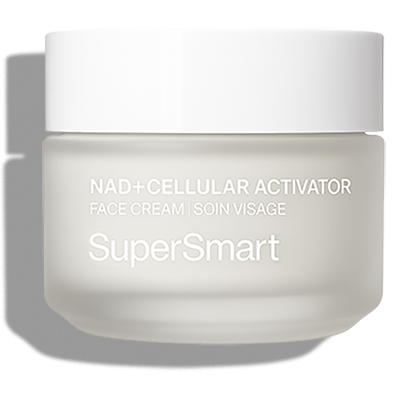
 Discover NAD+ Cellular Activator, a face cream whose effectiveness has been evaluated in clinical studies: 15% reduction in forehead wrinkles in 28 days; 56% increase in hydration of the upper layers of the epidermis after 8 hours, starting with the very first application.
Daily application, especially after showering or swimming, helps maximize the benefits of a moisturiser and maintain skin comfort throughout the summer.
Focus on foods and nutrients that promote skin hydration
Skin hydration doesn’t depend solely on topically applied skincare products.
Diet plays an important complementary role, particularly through:
- water-rich fruits and vegetables, which contribute to daily water intake;
- a varied and balanced diet, a source of vitamins, minerals, and antioxidants;
- proteins, which help renew the body’s tissues, including the skin.
Among the foods to prioritise in the summer are cucumbers (nearly 97% water), tomatoes, watermelon, cantaloupe, and citrus fruits.
These foods provide not only water but also micronutrients that are beneficial for the skin.
Vitamin C
Vitamin C contributes to normal collagen formation to support normal skin function (2).
It is naturally found in many summer fruits and vegetables.
To optimise intake, supplementation may be considered, particularly in liposomal form.
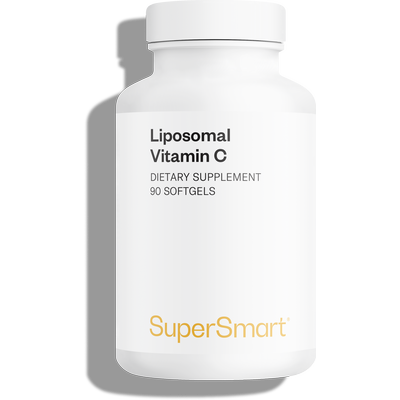
Discover Liposomal Vitamin C, a liposomal vitamin C formula containing Quali®-C, a patented vitamin C produced in Scotland that is pure and bioidentical to the vitamin C found in plants.
Hyaluronic Acid
Hyaluronic acid is a molecule naturally present in the skin, joints, and connective tissues.
Its ability to bind large amounts of water makes it a compound that has been extensively studied for its role in skin hydration.
However, as we age, its concentration in the tissues gradually decreases.
Several clinical studies have evaluated the effects of oral hyaluronic acid supplementation on various skin parameters, including hydration, elasticity, and transepidermal water loss.
A meta-analysis combining several clinical trials reports encouraging results regarding skin hydration (3).
Discover Hyaluronic Acid, a formula designed to support skin tissue hydration.
Astaxanthin
Astaxanthin is a marine-derived carotenoid (primarily extracted from the algae Haematococcus pluvialis) studied for its antioxidant properties.
Research has evaluated its role in protecting the skin against certain environmental stressors, particularly those related to UV exposure during the summer (4).
Discover Astaxanthin 4 mg, a dietary supplement made with natural astaxanthin.
Protecting the skin barrier against summer aggressors
Sun, wind, saltwater, chlorine in swimming pools, and even air conditioning can all contribute to impairing the skin’s barrier function, thereby promoting dehydration and skin discomfort.
The skin barrier relies primarily on the stratum corneum and is reinforced by the hydrolipidic film on its surface.
Its integrity determines the skin’s ability to limit water loss and defend itself against external aggressors.
To preserve it, it is recommended that you:
- choose gentle cleansers without overly harsh detergents;
- avoid showers that are too hot or too long, as they damage the hydrolipid film;
- apply a moisturiser after any prolonged exposure to water or the sun.
Certain antioxidant nutrients are being studied for their interaction with the mechanisms involved in protecting the skin against summer environmental stressors.
Among these, carotenoids (beta-carotene, lutein, lycopene) are the subject of research into their interaction with certain mechanisms involved in the skin’s response to sun exposure (5).
Discover Solar Prep Formula, a supplement formulated with carotenoids and other antioxidant compounds studied in the context of sun exposure.
Omega-3s are major components of cell membranes. They are also the subject of research into their interaction with certain mechanisms involved in maintaining the skin’s barrier function.
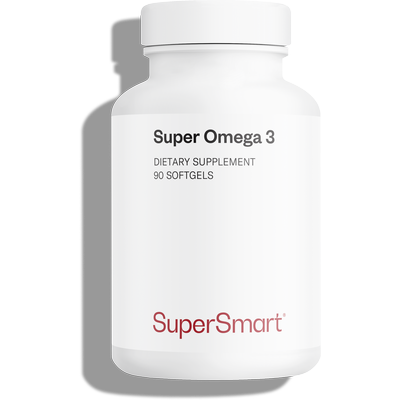
Discover Super Omega 3, a formula that provides the omega-3 fatty acids EPA and DHA in their natural form.
Limit habits that contribute to skin dehydration
Certain common behaviors can increase water loss from the skin and contribute to skin dehydration during the summer:
- exposing yourself to the sun during the hottest hours of the day (between 11 a.m. and 4 p.m.) without adequate protection;
- taking showers that are too hot or too frequent, which disrupt the protective hydrolipidic film;
- using cleansers that are too harsh (strongly detergent soaps, alcohol-based products);
- spending long periods in air-conditioned spaces, where dry air increases skin evaporation;
- forgetting to apply a moisturiser after swimming in the ocean or a pool.
Limiting these habits helps preserve the skin’s natural moisture, support the skin’s barrier function, and reduce feelings of dryness and tightness.
Dehydrated Skin in Summer: What Are the Warning Signs?
Dehydrated skin can exhibit various characteristic signs, which often appear gradually:
- a tight feeling, especially after swimming or sun exposure;
- persistent skin discomfort, even after applying a skincare product;
- loss of suppleness;
- a feeling that the skin is more prone to “creasing”;
- a dull complexion or skin that looks more tired;
- fine lines caused by dehydration, particularly visible around the eyes and mouth.
It’s important to distinguish between dehydrated skin and dry skin: the former lacks water and can affect any skin type, even oily skin. The latter refers to a skin type characterised by a lack of lipids.
It’s best to take action at the first signs of dehydration rather than wait until dehydration becomes more severe.
This makes it easier to maintain skin comfort and the integrity of the skin barrier throughout the summer.
SUPERSMART ADVICE
References
- https://www.vidal.fr/sante/nutrition/corps-aliments/eau-vivre.html
- Pullar JM, Carr AC, Vissers MCM. The Roles of Vitamin C in Skin Health. Nutrients. 2017;9(8):866.
- Amin P, Sarabi A, Choe S, Scott S, Suh S, Mesinkovska NA. Oral Hyaluronic Acid Supplement: Efficacy in Skin Hydration, Elasticity, and Wrinkle Depth Reduction. J Drugs Dermatol. 2025 Sep 1;24(9):910-919. doi: 10.36849/jdd.8542. PMID: 40911749.
- Ito N, Seki S, Ueda F. The Protective Role of Astaxanthin for UV-Induced Skin Deterioration in Healthy People-A Randomized, Double-Blind, Placebo-Controlled Trial. Nutrients. 2018 Jun 25;10(7):817. doi: 10.3390/nu10070817. PMID: 29941810; PMCID: PMC6073124.
- Stahl W, Sies H. Bioactivity and protective effects of natural carotenoids. Biochim Biophys Acta. 2005 May 30;1740(2):101-7. doi: 10.1016/j.bbadis.2004.12.006. Epub 2004 Dec 28. PMID: 15949675.
Keywords



1084 Days
Great service
Great service
Ryszard
1097 Days
Profesjonalna obsługa
Bardzo dobre i rzeczowe opisy. Profesjonalna obsługa.
PIEKOSZEWSKI Chris
1765 Days
Wszystko OK!
Wszystko poszło jak powinno 🙂
SITKIEWICZ Pawel
2552 Days
Szybko sprawnie bez problemów
Szybko sprawnie bez problemów
Marek
of experience
your money back
##montant## purchase