
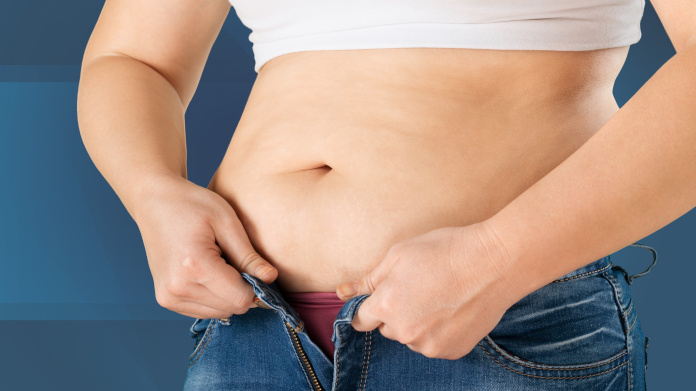
Does turmeric promote weight loss?
Interest in the link between turmeric and weight loss is growing all the time, particularly through drinks and recipes such as turmeric tea. But what does the science really say about its potential effects on metabolism and weight?

What is turmeric?
Turmeric (Curcuma longa) is a yellow-orange spice that has been used for thousands of years in Ayurvedic cooking and medicine. Native to South-East Asia, it belongs to the Zingiberaceae family, like ginger.
The plant's main active compound is curcumin, a polyphenol with antioxidant activity that has been studied for its interaction with certain biological pathways involved in inflammatory processes (1).
Traditionally, turmeric has been used for digestive comfort, to support liver and biliary functions, for normal functioning of the immune system and to maintain joint comfort.
Today, turmeric is being studied for its potential role in metabolism, insulin sensitivity, blood sugar regulation and other physiological functions involved in weight management (2).
What is the link between turmeric and the mechanisms involved in weight management?
Research is focusing mainly on the interactions between inflammation, metabolism and body weight.
Inflammation and weight: the role of turmeric
One of the hypotheses being explored concerns the interaction between turmeric and certain mechanisms involved in low-grade inflammation.
A chronic inflammatory state, often observed in overweight or obese people, is associated with insulin resistance, alterations in lipid metabolism and the accumulation of abdominal fat (2).
Curcumin is being studied for its interaction with certain inflammatory markers, notably C-reactive protein (CRP), interleukin-6 (IL-6) and TNF-α.
Although it does not act as a 'fat burner', it could influence certain processes involved in insulin sensitivity and fat metabolism.
Turmeric and balanced glucose metabolism
Scientific studies have looked at the interaction of curcumin with certain parameters involved in glucose regulation.
Some research suggests that it may help to reduce fasting glycaemia and improve certain parameters linked to glucose metabolism.
Modest but significant effects on insulin resistance and metabolic markers have been observed in some clinical trials, although the results vary from one study to another (2).
Turmeric and body composition: what do meta-analyses suggest?
Several meta-analyses have explored the association between curcumin (or turmeric) and certain body parameters linked to obesity.
- A meta-analysis of several randomised trials reported associations with reductions in body weight, body mass index (BMI) and waist circumference, with a level of evidence ranging from weak to moderate (3).
- Another analysis showed favourable effects on body fat reduction and on certain biological markers, such as leptin and adiponectin, suggesting possible interactions with some metabolic mechanisms (4).
These data suggest that curcumin may be associated with modest variations in some indices of body composition, without acting as a primary driver for weight loss when taken in isolation.
Clinical trials exploring the link between turmeric and body weight remain heterogeneous; this is due, in particular, to the dosages used, the forms employed (whole turmeric, extracted curcumin, formulations with improved bioavailability), the duration of intervention and the populations studied.
Turmeric supplementation: how to choose the right product?
While some research is exploring a potential link between turmeric and weight loss, it is important to remember that a dietary supplement should never be considered as a single solution.
Supplementation can be part of an overall approach that includes a balanced diet, regular exercise and good stress management.
Choosing the right supplement
The bioavailability of curcumin is naturally low, which means that it is difficult for the body to absorb without certain co-factors, such as piperine from black pepper.
Some formulations have therefore been developed to promote absorption or offer higher concentrations of curcumin.
It may be advisable to opt for formulas concentrated in turmeric or extracts standardised in curcumin.
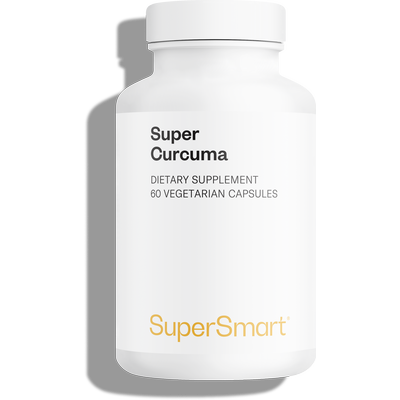
 Discover Super Curcuma, a patented turmeric extract designed for optimal absorption of curcuminoids.
Discover Natural Curcuma, a dietary supplement standardised to 95% curcuminoids, developed to improve absorption.
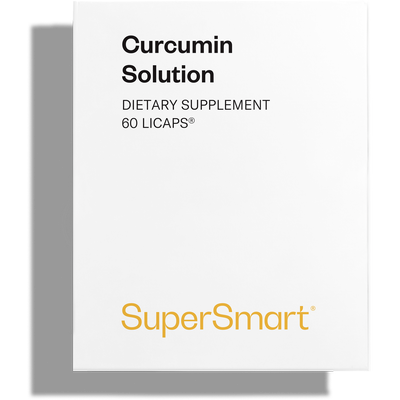
Discover Curcumin Solution, a concentrated curcumin complex, formulated to promote its absorption by the body.
Other nutrients studied in the context of weight management
In addition to turmeric, certain ingredients are the subject of scientific research into the mechanisms involved in weight management, particularly those linked to satiety and energy metabolism, as part of a global approach.
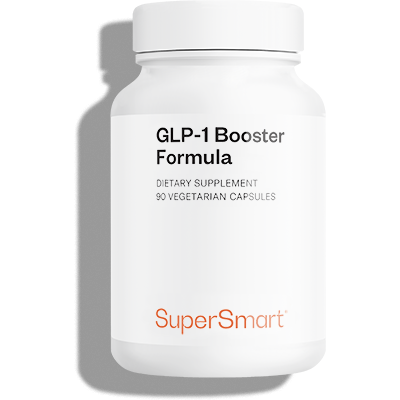
Discover GLP-1 Booster Formula, formulated to interact with certain physiological pathways involved in regulating satiety.
Discover Fat & Carb Blocker, designed to interact with certain digestive processes involved in the assimilation of nutrients.
Importance of the microbiota in metabolic processes
The intestinal microbiota is increasingly being studied for its potential role in overall metabolic balance.
Some strains are currently the focus of a great deal of scientific research.
Discover Akkermansia muciniphila, a probiotic studied for its interaction with certain metabolic parameters.
Discover Lactobacillus gasseri, a strain investigated in studies concerning specific body composition parameters within certain contexts.
This analysis is not limited to turmeric: it reminds us that an overall strategy is generally more effective than a supplement used in isolation.
SUPERSMART ADVICE
References
- Bahari H, Omidian K, Asadi Z, Golafrouz H, Rafiei H. Efficacy of curcumin/turmeric on inflammation and oxidative stress in prediabetes and type 2 diabetes: a systematic review and dose-response meta-analysis. Inflammopharmacology. 2025 Dec;33(12):7179-7195. doi: 10.1007/s10787-025-02038-9. Epub 2025 Nov 15. PMID: 41240262.
- Lee, Y.-M.; Kim, Y. Is Curcumin Intake Really Effective for Chronic Inflammatory Metabolic Disease? A Review of Meta-Analyses of Randomized Controlled Trials. Nutrients 2024, 16, 1728.
- Akbari M, Lankarani KB, Tabrizi R, Ghayour-Mobarhan M, Peymani P, Ferns G, Ghaderi A, Asemi Z. The Effects of Curcumin on Weight Loss Among Patients With Metabolic Syndrome and Related Disorders: A Systematic Review and Meta-Analysis of Randomized Controlled Trials. Front Pharmacol. 2019 Jun 12;10:649. doi: 10.3389/fphar.2019.00649. PMID: 31249528; PMCID: PMC6582779.
- Dehzad MJ, Ghalandari H, Nouri M, Askarpour M. Effects of curcumin/turmeric supplementation on obesity indices and adipokines in adults: A grade-assessed systematic review and dose-response meta-analysis of randomized controlled trials. Phytother Res. 2023 Apr;37(4):1703-1728. doi: 10.1002/ptr.7800. Epub 2023 Mar 7. PMID: 36882287.
Keywords




1 Days
Adequate info en hoge kwaliteit
Adequate info en hoge kwaliteit
HanS.
11 Days
Supplementen zijn goed.
Supplementen zijn goed. Zachte prijzen. Website met problemen ( altijd ) niet goed voor nieuwe klanten.
Gino RJ
20 Days
Alles op tijd geleverd.
Alles op tijd geleverd. De producten worden alsmaar duurder, terwijl mijn pensioen niet meer stijgt. Vandaar kan ik alsmaar minder vaak bestellen.
Wouters
1090 Days
Great service
Great service
Ryszard
1103 Days
Profesjonalna obsługa
Bardzo dobre i rzeczowe opisy. Profesjonalna obsługa.
PIEKOSZEWSKI Chris
1771 Days
Wszystko OK!
Wszystko poszło jak powinno 🙂
SITKIEWICZ Pawel
2558 Days
Szybko sprawnie bez problemów
Szybko sprawnie bez problemów
Marek
of experience
your money back
##montant## purchase