
Trigonelline: the coffee compound that combats muscle ageing?
Naturally found in coffee, trigonelline is gaining ground in anti-ageing research. A recent study reveals links with muscle strength and NAD+, a key molecule in cellular metabolism and ageing.
- ✓Trigonelline is a molecule naturally found in coffee and fenugreek seeds.
- ✓A recent study found that blood levels of trigonelline are lower in people with sarcopenia (a progressive, generalised loss of muscle mass, strength and function associated with ageing).
- ✓Higher levels of trigonelline have been linked to improved muscle strength.
- ✓Experiments on cells and animals suggest that trigonelline may play a role in the production of NAD+.
- ✓These promising results have yet to be confirmed in humans.


Why do muscles lose strength as we age?
As we age, muscle mass, strength and quality can gradually decline. Several factors are involved: reduced physical activity, a less effective response of muscle protein synthesis to anabolic stimuli, alterations in mitochondrial function, and disruptions to cellular metabolism (1)...
When this muscular decline becomes pronounced, it may indicate sarcopenia. This age-related condition is characterised primarily by a reduction in muscle strength associated with a decrease in muscle mass or quality. A decline in physical performance is indicative of a severe form (2).
However, not all muscle wasting is attributable to this condition, the diagnosis of which is based on specific medical and functional criteria.
What is trigonelline, the molecule found in coffee?
Trigonelline is a natural alkaloid found in various plants, notably coffee beans and fenugreek seeds. Chemically, it is a methylated derivative of nicotinic acid, or niacin, a form of vitamin B3 (3).
It differs from caffeine in both its structure and its metabolism. An important point to note: the study in question here does not assess the effects of coffee consumption. Drinking more coffee cannot therefore, under any circumstances, be presented as a strategy to combat muscle ageing.
One of the main reasons trigonelline is of such interest to researchers is its potential link to NAD+ (nicotinamide adenine dinucleotide). This coenzyme plays a role in energy metabolism and the functioning of mitochondria, the powerhouses of our cells.
A study conducted in humans found lower muscle levels of NAD+ in older adults than in younger adults. This decrease was more pronounced in subjects with physical limitations than in fit older adults (4).
These findings explain the growing interest in NAD+ metabolism and the search for its precursors in the context of ageing. Trigonelline is currently one of the avenues being explored in this field. It is worth noting that it is available as a dietary supplement.
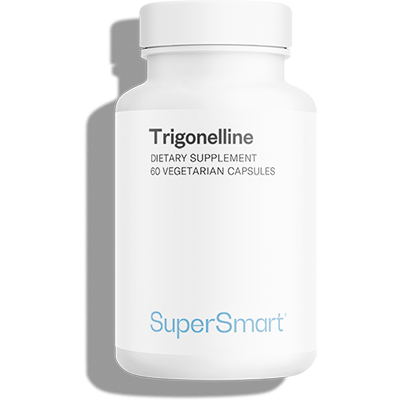
 Discover Trigonelline, which provides 300mg of trigonelline hydrochloride per daily dose.
Trigonelline, muscle strength and NAD+: what does the study show?
A study published in 2024 in *Nature Metabolism* specifically examined the link between trigonelline, NAD+ and muscle ageing. It combined data collected from humans with experiments on muscle cells and animal models. However, it does not constitute a clinical trial evaluating the effects of trigonelline supplementation in humans (5).
Levels associated with muscle function
The researchers first compared 20 people with sarcopenia to 20 control subjects. They noted that blood concentrations of trigonelline were significantly lower in those with sarcopenia.
More interestingly, higher concentrations were associated with several favourable indicators: greater appendicular muscle mass (skeletal muscles of the arms and legs), better grip strength and a faster walking speed.
This same link was confirmed in a second cohort comprising 186 men aged over 60: higher trigonelline levels were associated with greater grip strength.
It should be noted, however, that these associations do not prove that trigonelline improves strength or prevents sarcopenia.
Preclinical findings on NAD+
The study also seeks to shed light on the mechanisms that may explain these observations.
In human muscle cells cultured in the laboratory, trigonelline was used as a precursor to NAD+, leading to an increase in its concentrations. The researchers identified its utilisation via the so-called Preiss-Handler pathway, a pathway involved in NAD+ biosynthesis.
Experiments were then carried out on worms (Caenorhabditis elegans). It was reported that trigonelline had increased NAD+ levels and improved several parameters related to mitochondrial function, mobility and muscle preservation during ageing.
Finally, in aged male mice, trigonelline supplementation improved muscle strength and reduced fatigue.
Whilst these preclinical results point to a promising avenue, they cannot, however, be directly extrapolated to humans.
These results must be interpreted with caution. The initial human analysis involved only 40 people, whilst the second cohort consisted exclusively of elderly men. The benefits of trigonelline for muscle ageing therefore remain to be confirmed in humans: the study does not allow us to determine either an effective dose or the effects of supplementation on sarcopenia, falls, independence or longevity.
How can you maintain your muscle mass and cellular vitality as you age?
Trigonelline: an emerging avenue to explore
Trigonelline lies precisely at the intersection of three areas of intensive research: muscle ageing, energy metabolism and NAD+.
The results published in *Nature Metabolism* are encouraging: they link trigonelline to muscle function in humans and highlight a mechanism for NAD+ production as well as functional effects in several animal models. Clinical trials are, however, still needed to determine its benefits in humans.
The Trigonelline supplement boasts an exceptional purity of 98% (compared with a concentration of 5% in fenugreek extracts).
Physical activity and protein: the fundamentals of muscle maintenance
Maintaining muscle mass and function relies first and foremost on regular physical activity, including appropriate strength training, as well as sufficient energy and protein intake.
Protein helps to maintain and increase muscle mass. When dietary intake is insufficient, a high-quality whey supplement makes it easier to meet these requirements.
In older adults, studies evaluating whey in combination with resistance training also show promising results for certain muscle parameters, although the extent of the benefits varies across studies and populations (6).
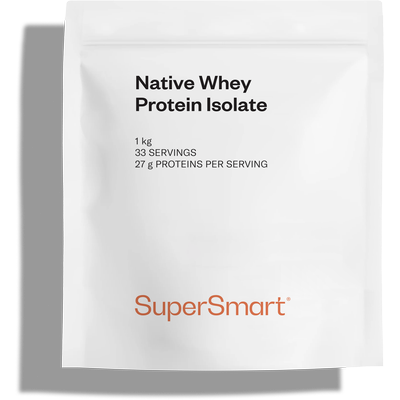
Native Whey Protein Isolate is a native whey isolate providing 27.5g of protein per serving, including 6g of BCAAs.
However, maintaining muscle mass is not enough to guarantee strength. Strength also depends on the quality of the muscle, its activation by the nervous system and its ability to exert force. These are therefore two complementary aspects of muscle health (7).
Vitamin D: for maintaining good muscle function
Vitamin D is another nutrient directly linked to muscle physiology. It helps maintain normal muscle function. Clinical trials have specifically analysed its influence on muscle strength: a meta-analysis of 30 randomised trials reports a modest positive effect of supplementation, which is more pronounced in people with low vitamin D levels and in those aged over 65 (8).
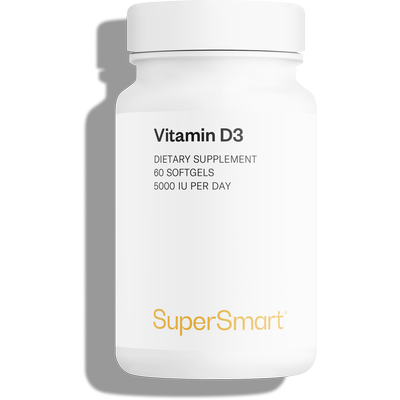
Vitamin D3 5000 IU, a supplement providing 5,000 IU of vitamin D3 per dose.
New muscle-supporting nutrients under investigation
Other compounds are now attracting the interest of researchers. PeptiStrong® broad bean peptides, ursolic acid and spermidine are, in particular, being studied from various angles for their potential effects on muscle mass or quality, as well as on certain mechanisms associated with ageing (9–11).
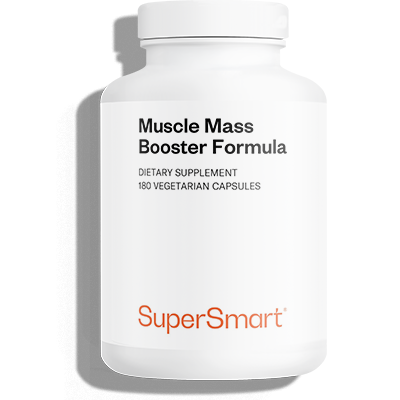
Muscle Mass Booster Formula combines them in a comprehensive, synergistic formula enriched with vitamin D3.
NAD+: from muscle to cellular ageing
The significance of NAD+ extends far beyond the issue of muscle alone. This cofactor plays a central role in cellular energy metabolism, particularly in mitochondrial function and ATP production. However, its levels tend to decline with age, making it a closely scrutinised target in the field of cellular ageing and longevity (12).
Several nutritional strategies therefore aim to support its availability. One of these relies on precursors, such as nicotinamide riboside (NR). Human trials report an increase in NAD+ and some of its metabolites following NR supplementation (13).
Another avenue of research concerns CD38, an enzyme that ‘consumes’ NAD+. Preclinical studies suggest that its activity increases with ageing and may contribute to the decline in NAD+ levels as well as to certain mitochondrial dysfunctions (14).
Certain flavonoids act via this pathway, such as apigenin. Cell and animal experiments have notably highlighted its potential ability to inhibit CD38 whilst boosting NAD+ concentrations (15).
A relevant approach is therefore to tackle the issue from both angles: stimulating NAD+ production and slowing its breakdown.
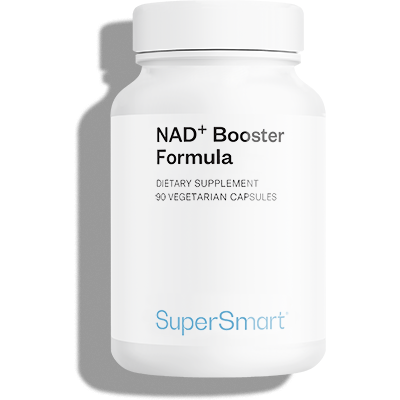
NAD+ Booster Formula combines nicotinamide riboside (NR), apigenin and BluNAD Booster™, three complementary active ingredients designed to maintain NAD+ levels.
SUPERSMART ADVICE
References
- Burd NA, Gorissen SH, van Loon LJC. Anabolic resistance of muscle protein synthesis with aging. Exerc Sport Sci Rev. 2013;41(3):169-173. doi:10.1097/JES.0b013e318292f3d5. PMID: 23558692. 🔗
- Cruz-Jentoft AJ, Bahat G, Bauer J, et al. Sarcopenia: revised European consensus on definition and diagnosis. Age Ageing. 2019;48(1):16-31. doi:10.1093/ageing/afy169. PMID: 30312372. 🔗
- Allred KF, Yackley KM, Vanamala J, Allred CD. Trigonelline is a novel phytoestrogen in coffee beans. J Nutr. 2009;139(10):1833-1838. doi:10.3945/jn.109.108001. PMID: 19710155. 🔗
- Janssens GE, Grevendonk L, Zapata Perez R, et al. Healthy aging and muscle function are positively associated with NAD+ abundance in humans. Nat Aging. 2022;2(3):254-263. doi:10.1038/s43587-022-00174-3. PMID: 37118369. 🔗
- Membrez M, Migliavacca E, Christen S, et al. Trigonelline is an NAD+ precursor that improves muscle function during ageing and is reduced in human sarcopenia. Nat Metab. 2024;6(3):433-447. doi:10.1038/s42255-024-00997-x. PMID: 38504132. 🔗
- Cuyul-Vásquez I, Pezo-Navarrete J, Vargas-Arriagada C, et al. Effectiveness of Whey Protein Supplementation during Resistance Exercise Training on Skeletal Muscle Mass and Strength in Older People with Sarcopenia: A Systematic Review and Meta-Analysis. Nutrients. 2023;15(15):3424. doi:10.3390/nu15153424. PMID: 37571361. 🔗
- Cruz-Jentoft AJ, Bahat G, Bauer J, et al. Sarcopenia: revised European consensus on definition and diagnosis. Age Ageing. 2019;48(1):16-31. doi:10.1093/ageing/afy169. PMID: 30312372. 🔗
- Beaudart C, Buckinx F, Rabenda V, et al. The effects of vitamin D on skeletal muscle strength, muscle mass, and muscle power: a systematic review and meta-analysis of randomized controlled trials. J Clin Endocrinol Metab. 2014;99(11):4336-4345. doi:10.1210/jc.2014-1742. PMID: 25033068. 🔗
- Monteyne AJ, Coelho MOC, Porter C, et al. The Effect of Fava Bean (Vicia faba L.) Protein Ingestion on Myofibrillar Protein Synthesis at Rest and after Resistance Exercise in Healthy, Young Men and Women: A Randomised Control Trial. Nutrients. 2022. PMID: 36145064. 🔗
- Bang HS, Seo DY, Chung YM, Oh KM, Park JJ, Figueroa A, Jeong SH, Kim N, Han J. Ursolic Acid-induced Elevation of Serum Irisin Augments Muscle Strength During Resistance Training in Men. Korean J Physiol Pharmacol. 2014;18(5):441-446. doi:10.4196/kjpp.2014.18.5.441. PMID: 25352765. 🔗
- Cervelli M, Leonetti A, Duranti G, Sabatini S, Ceci R, Mariottini P. Skeletal Muscle Pathophysiology: The Emerging Role of Spermine Oxidase and Spermidine. Med Sci (Basel). 2018;6(1):14. doi:10.3390/medsci6010014. PMID: 29443878. 🔗
- Janssens GE, Grevendonk L, Zapata Perez R, et al. Healthy aging and muscle function are positively associated with NAD+ abundance in humans. Nat Aging. 2022;2(3):254-263. doi:10.1038/s43587-022-00174-3. PMID: 37118369. 🔗
- Martens CR, Denman BA, Mazzo MR, et al. Chronic nicotinamide riboside supplementation is well-tolerated and elevates NAD+ in healthy middle-aged and older adults. Nat Commun. 2018;9:1286. doi:10.1038/s41467-018-03421-7. PMID: 29599478. 🔗
- Camacho-Pereira J, Tarragó MG, Chini CCS, et al. CD38 Dictates Age-Related NAD Decline and Mitochondrial Dysfunction through an SIRT3-Dependent Mechanism. Cell Metab. 2016;23(6):1127-1139. doi:10.1016/j.cmet.2016.05.006. PMID: 27304511. 🔗
- Escande C, Nin V, Price NL, et al. Flavonoid apigenin is an inhibitor of the NAD+ase CD38: implications for cellular NAD+ metabolism, protein acetylation, and treatment of metabolic syndrome. Diabetes. 2013;62(4):1084-1093. doi:10.2337/db12-1139. PMID: 23172919. 🔗
Keywords



2 Days
sin problemas en la entrega
sin problemas en la entrega complementos punteros poniendo siempre el foco en la salud humana nos lo merecemos de pie a cabeza para una salud larga y duradera
sosa robaina
27 Days
Prodotti eccezionali
Prodotti eccezionali! Consegna rapida e precisa
paola
38 Days
Heldere info
Heldere info
HanS.
38 Days
Snelle levering
Snelle levering
harrie
43 Days
Adequate info en hoge kwaliteit
Adequate info en hoge kwaliteit
HanS.
53 Days
Supplementen zijn goed.
Supplementen zijn goed. Zachte prijzen. Website met problemen ( altijd ) niet goed voor nieuwe klanten.
Gino RJ
62 Days
Alles op tijd geleverd.
Alles op tijd geleverd. De producten worden alsmaar duurder, terwijl mijn pensioen niet meer stijgt. Vandaar kan ik alsmaar minder vaak bestellen.
Wouters
1132 Days
Great service
Great service
Ryszard
1145 Days
Profesjonalna obsługa
Bardzo dobre i rzeczowe opisy. Profesjonalna obsługa.
PIEKOSZEWSKI Chris
1813 Days
Wszystko OK!
Wszystko poszło jak powinno 🙂
SITKIEWICZ Pawel
2600 Days
Szybko sprawnie bez problemów
Szybko sprawnie bez problemów
Marek
of experience
your money back
##montant## purchase