
Hypocaloric diet: principles, effectiveness and precautions to know
The hypocaloric diet is often presented as an effective solution for losing weight quickly. But behind this popular approach, what are its real effects on the body and its long-term effectiveness?


The limits and precautions of the low-calorie diet
Although the principle of calorie deficit is well documented, the low-calorie diet also has certain limitations.
Fatigue and loss of energy
A significant reduction in energy intake can lead to:
- fatigue;
- reduced concentration;
- reduced physical performance.
These effects are common when calorie restriction is too severe or poorly balanced.
Frustration and loss of motivation
Some people also experience:
- a feeling of deprivation;
- increased food cravings;
- difficulty maintaining the diet over the long term.
A study of overweight adults showed that after six months of calorie restriction, despite significant weight loss, feelings of hunger and craving remained high, contributing to frustration and difficulties in maintaining the diet (7).
These factors can therefore complicate the continuation of a diet and encourage people to give up.
Nutritional imbalances
If the diet is too restrictive or poorly planned, it may be difficult to cover micronutrient requirements.
The risks relate in particular to:
- certain vitamins;
- essential minerals;
- essential fatty acids.
These imbalances can appear in certain low-calorie menus that are too restrictive. It should be noted that very low-calorie diets can also modify the intestinal microbiota, affecting bacterial abundance and composition (8).
Finally, results can vary greatly depending on:
- individual metabolism;
- the level of physical activity;
- the duration of calorie restriction;
- the initial context.
When should a low-calorie diet be considered?
A low-calorie diet for weight loss can be considered when energy intake exceeds the body's needs.
However, certain situations require specific guidance. Medical or nutritional advice is recommended:
- if you are severely overweight or obese;
- in the presence of metabolic diseases;
- in the event of persistent fatigue;
- when the diet is followed over a long period.
Support from a healthcare professional helps to adapt the calorie restriction and limit nutritional imbalances.
Following a low-calorie diet does not necessarily mean depriving oneself, but rather adopting a more balanced, progressive dietary lifestyle tailored to one's needs.
When properly supervised, it can contribute to lasting weight loss and promote better nutritional balance.
How can you adopt a more balanced and sustainable low-calorie approach?
Adopt the right reflexes
To limit undesirable effects, a gradual approach to calorie deficit is recommended. Several strategies can contribute to a more balanced low-calorie diet:
- give priority to proteins, which contribute to the growth and maintenance of muscle mass;
- increasing fibre intake, which is known to promote satiety;
- maintain an adequate intake of micronutrients;
- Avoid excessive restrictions to avoid the yo-yo effect.
It is also important to integrate diet into an overall healthy lifestyle, including:
- regular physical activity
- getting enough sleep
- good stress management.
A meta-analysis comparing different diets in overweight or obese adults showed that, whatever the composition (low-carbohydrate or low-fat), all low-calorie diets resulted in significant weight loss at 6 and 12 months, underlining the importance of long-term adherence rather than the type of diet (9).
Nutritional basis for a low-calorie diet
Generally speaking, a low-calorie diet proposes between 1,200 and 1,800 kcal per day, to be adapted according to sex, age, level of physical activity and weight loss goal.
Protein
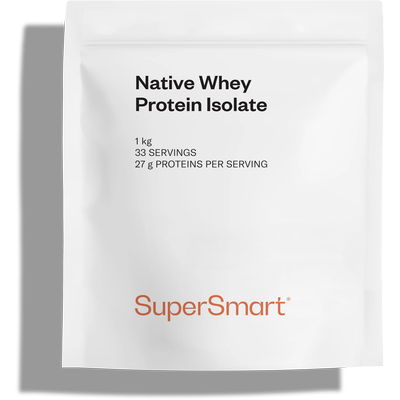
Protein helps maintain muscle mass and normal bone structure. Sufficient intake may increase satiety, which can help to better control energy intake.
 Discover Native Whey Protein Isolate, the purest powder formula for preserving muscle mass and promoting satiety.
Fibre
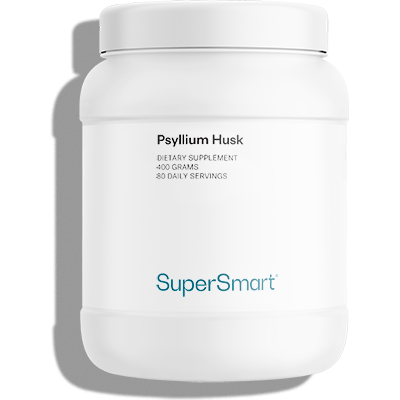
Dietary fibre is thought to promote a lasting feeling of satiety, which can reduce snacking cravings.
Discover Psyllium Husk, a formula rich in soluble fibre, ideal for reducing the feeling of overeating and promoting satiety.
Multivitamins
When energy intake is reduced as part of a low-calorie diet, a multivitamin supplement can help to cover vitamin and mineral requirements.
Discover Daily 3, a complete multivitamin formula to help maintain a normal energy metabolism and avoid deficiencies.
Omega-3
The fatty acids EPA and DHA contribute to normal heart function and overall nutritional balance.
Discover Super Omega 3, a natural formula designed for metabolic support, with optimal bioavailability.
Supplements designed for direct slimming action
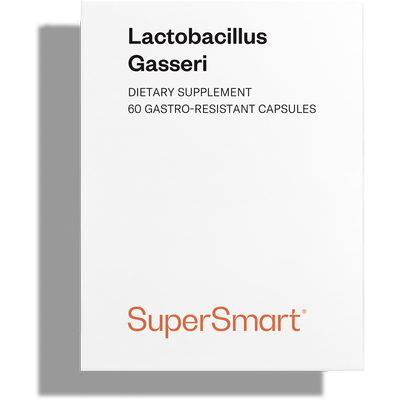
Some studies suggest that the probiotic strain Lactobacillus gasseri could influence the composition of the intestinal microbiota, a factor studied in the regulation of body weight (10).
Find out more about Lactobacillus Gasseri, the probiotic that helps maintain a normal intestinal microbiota, which can help you lose weight.
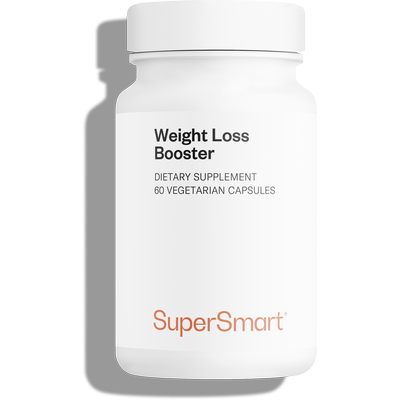
Saffron is being studied for its potential effect on managing food cravings and snacking behaviour (11).
Discover Weight Loss Booster, which contains Satiereal®, a patented extract of saffron stigmas clinically studied for its potential ability to help control eating behaviour.
In addition, certain algae are being researched for their possible interaction with lipid or carbohydrate absorption (12).
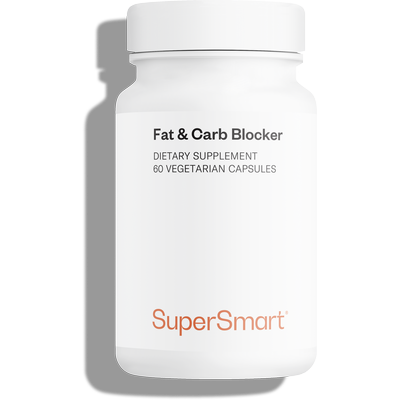
Discover Fat & Carb Blocker, which contains Ascophyllum nodosum extract, studied for its potential ability to act as a fat burner, combined with grape seed extract.
Finally, berberine and certain associated compounds are being studied for their potential influence on certain metabolic pathways involved in regulating appetite(13).
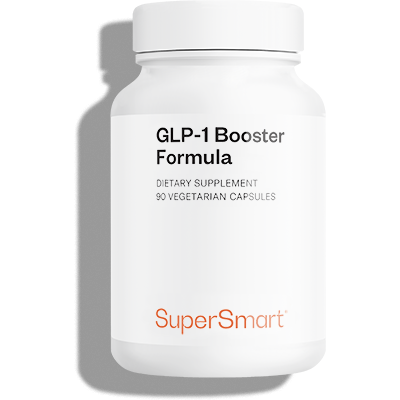
Discover GLP-1 Booster Formula, designed to stimulate the production of GLP-1 (appetite-suppressing hormone), with a potential influence on certain metabolic pathways involved in regulating appetite.
These supplements can help you to lose weight gradually and comprehensively, by combining them with a balanced diet, regular physical activity and a healthy lifestyle.
SUPERSMART ADVICE
References
- Hall KD, Heymsfield SB, Kemnitz JW et al. Energy balance and its components: implications for body weight regulation. Am J Clin Nutr. 2012.
- Sanvictores T, Tadi P, Singh M. Physiology, Fasting. In: StatPearls. Treasure Island (FL): StatPearls Publishing; 2024.
- NCBI. The Control of Food Intake in Humans. In: Endotext [Internet]. South Dartmouth (MA): MDText.com, Inc. ; 2000.
- Sumithran P, Proietto J. The defence of body weight: a physiological basis for weight regain after weight loss. Clin Sci. 2013.
- Trexler ET, Smith-Ryan AE, Norton LE. Metabolic adaptation to weight loss: implications for athletes and active individuals. J Int Soc Sports Nutr. 2014.
- Griffin J, Albaloul A, Kopytek A, Elliott P, Frost G. Effect of ultraprocessed food intake on cardiometabolic risk is mediated by diet quality: a cross-sectional study. BMJ Nutrition, Prevention & Health. 2021.
- Anton SD, Han H, York E, Martin CK, Ravussin E, Williamson DA. Effect of calorie restriction on subjective ratings of appetite. J Hum Nutr Diet. 2009 Apr.
- von Schwartzenberg RJ, Bisanz JE, Lyalina S, Spanogiannopoulos P, Ang QY, Cai J, Dickmann S, Friedrich M, Liu SY, Collins SL, Ingebrigtsen D, Miller S, Turnbaugh JA, Patterson AD, Pollard KS, Mai K, Spranger J, Turnbaugh PJ. Caloric restriction disrupts the microbiota and colonization resistance. Nature. 2021.
- Johnston BC et al. Comparison of weight loss among named diet programs in overweight and obese adults. JAMA. 2014.
- Kadooka Y et al. Regulation of abdominal adiposity by probiotics (Lactobacillus gasseri). Eur J Clin Nutr. 2010.
- Gout B et al. Effect of a saffron extract on snacking and body weight. Nutr Res. 2010.
- Lagowska K, Jurgoński A, Mori M, Yamori Y, Murakami S, Ito T, Toda T, Pieczyńska-Zając JM, Bajerska J. Effects of dietary seaweed on obesity-related metabolic status: a systematic review and meta-analysis of randomized controlled trials. Nutr Rev. 2025 Feb.
- Cicero AFG, Baggioni A. Berberine and metabolic syndrome: systematic review. Nutrients. 2016.
Keywords





10 Days
Prodotti eccezionali
Prodotti eccezionali! Consegna rapida e precisa
paola
21 Days
Heldere info
Heldere info
HanS.
21 Days
Snelle levering
Snelle levering
harrie
27 Days
Adequate info en hoge kwaliteit
Adequate info en hoge kwaliteit
HanS.
36 Days
Supplementen zijn goed.
Supplementen zijn goed. Zachte prijzen. Website met problemen ( altijd ) niet goed voor nieuwe klanten.
Gino RJ
46 Days
Alles op tijd geleverd.
Alles op tijd geleverd. De producten worden alsmaar duurder, terwijl mijn pensioen niet meer stijgt. Vandaar kan ik alsmaar minder vaak bestellen.
Wouters
1116 Days
Great service
Great service
Ryszard
1128 Days
Profesjonalna obsługa
Bardzo dobre i rzeczowe opisy. Profesjonalna obsługa.
PIEKOSZEWSKI Chris
1797 Days
Wszystko OK!
Wszystko poszło jak powinno 🙂
SITKIEWICZ Pawel
2584 Days
Szybko sprawnie bez problemów
Szybko sprawnie bez problemów
Marek
of experience
your money back
##montant## purchase