
COVID-19 crisis: explosion in mental health problems in 2021
It’s a fact: mental health conditions have risen sharply this year, a clear consequence of pandemic-related anxiety and isolation. Here we take a brief overview of the situation and look at some potential solutions.

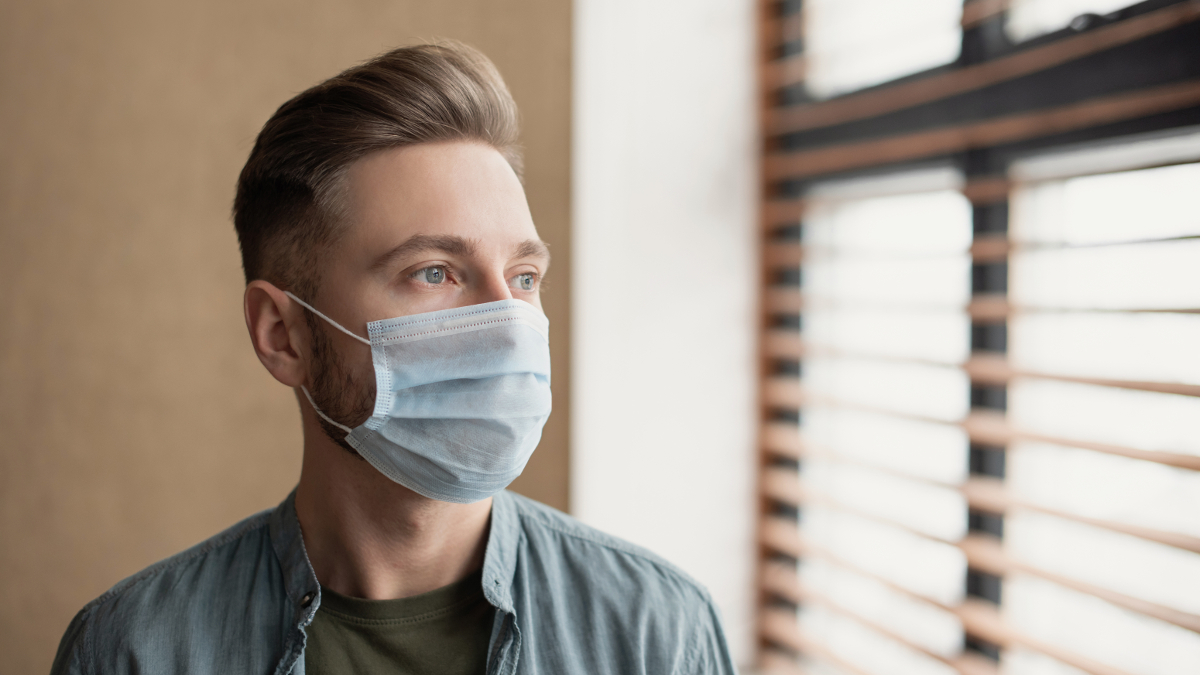
Covid-19: a pandemic responsible for a surge in psychological problems
Curbs on social interaction, repeated lockdowns, loss of a loved one, lack of wider opportunity, etc, have, over the months, added to the fear of dying, becoming infected or passing the virus on to someone else.
The Covid-19 pandemic has thus given rise to a deeply anxiety-inducing climate which has had dramatic repercussions across the globe.
From 2020 onwards, alarm bells have been ringing: for example, Public Health France conducted a study between April and October of last year to assess the psychological effects of the pandemic on the French population (1). As of 1st April 2020, the results were striking:
- rates of anxiety 26.7% higher than ‘normal’;
- rates of depression of almost 20%;
- rates of sleep disorders of 60%+ !
And these findings revealed a prevalence among individuals aged 18-30, as did similar results from a Chinese study conducted during the same period (2). This is no doubt because uncertainty over the future particularly affects this age group as the period between the ages of 18 and 30 is when we tend to make plans for life.
Sharp rise in use of anti-anxiety medication
Another way of assessing the population’s mental state is to analyse the rate of medication use.
In France, again, the picture is clear: there was a “consistent rise in the use and introduction of two therapeutic classes of drugs for mental health problems, anxiolytics and hypnotics, during and at the end of lockdown”, according to a comprehensive report by the Agence nationale de sécurité du médicament (France’s National Agency for Drug Safety) and the Assurance maladie (National Health Insurance Fund) (3).
During the first lockdown, there were 300,000 additional users of these drugs. Research reveals 3.4 million more prescriptions than expected between March 2020 and April 2021!
This over-use is a problem, according to Antoine Pelissolo, Head of Psychiatry at the university hospital Henri-Mondor de Créteil (Val-de-Marne). It suggests a risk of self-medication, with patients coming to regard such drugs as ‘Paracetamol for anxiety’.
However, it’s interesting, if somewhat worrying, to see that while young people have been more affected by symptoms of anxiety, their use of medication has decreased. It’s actually among the 40-74 year-olds where there has been a significant rise in the use of medication.
Sleep: the first casualty of coronavirus?
Children, teenagers, parents, all quarantined at home together, but also key workers and carers: everyone has been affected and the same circumstances which have led to problems of anxiety have also fostered widespread sleep issues.
A UK study (4) conducted in August 2020 showed that one in four Britons was suffering from sleep problems compared with one in six before the pandemic. Indeed, some experts now refer to this as ‘coronasomnia‘. In China, prevalence of sleep issues increased from 14.6% to 20% during lockdown. And these problems are to be found across the planet as a whole.
This is particularly so because during periods of lockdown, screens have become the last refuge for very many people, from social media to VOD platforms.
Thus in France, according to the head of the sleep unit at the University Hospital of Besancon, use of sleeping tablets has increased by 15% to 20% since the start of the pandemic (5).
Destigmatisation of mental health problems
However, alongside Covid-induced increases in psychological and sleep problems, there has been one glimmer of light: seeking help for mental health problems has become destigmatised.
In fact,psychologists, psychiatrists and sleep disorder specialists have seen demand for their expertise surge. Proof that patients now feel less shame and inhibition about accepting their problems and their need for professional help.
It goes without saying, therefore, that if you are in any way affected by the issues mentioned in this article (insomnia, excessive fatigue, anxiety, low mood or depression, etc.), it’s important to seek medical advice to help find a healthy and lasting solution to your problem.
What can you do to tackle psychological problems related to the pandemic?
Experts agree that taking exercise is a major aid to feeling better, sleeping better and dealing with the anxiety caused by the Covid crisis. Healthy muscle fatigue and production of endorphins and other ‘happy’ hormones, etc. are likely to help you sleep better and provide a welcome sense of well-being (6).
Fresh air is also highly recommended for countering the effects of lockdown and other restrictions. This is particularly because prolonged exposure to natural light is excellent for regulating circadian rhythms and stimulating production of vitamin D, essential for good health.
There are also a number of natural dietary supplements that can help to support mental health and maintain good quality sleep.
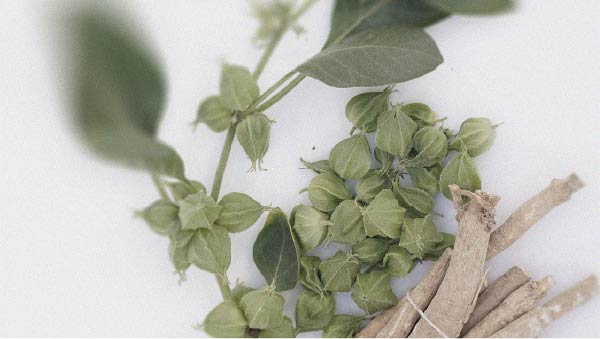
Hypericum, for example, is a perennial plant used for thousands of years for maintaining positive mood and mental stability (7). It is normally referred to as ‘St. John’s Wort ’ (and you can find it in supplements such as St. John’s Wort Extract).
Gotu kola (the ingredient in the supplement Centella asiatica) is an age-old Ayurvedic plant used in traditional Chinese and Indian pharmacopoeia. It contains asiaticosides and madecassosides, and is known for supporting mental health (8).
Some people find it helps to increase their intake of gamma aminobutyric acid (GABA), a neurotransmitter of the central nervous system (try, for example, PharmaGABA®).
Aphanizomenon flos-aquae is a type of blue algae long-used by Native Americans, since it grows naturally in Oregon’s Lake Klamath. It has attracted scientific attention primarily for its high content of phenylethylamine (PEA), an endogenous neuroamine with proven effects on mood (try our supplement AFA Extract for its mood-boosting benefits) (9).
Taking exercise is not the only way to trigger the release of the ‘feelgood hormone’, serotonin. There’s also a natural serotonin precursor called 5-hydroxytryptophan, or 5-HTP. This molecule occurs naturally in an African plant which is now much-prized and is used in traditional medicine : Griffonia simplicifolia (the source of our supplement 5-HTP) (10).
References
- https://www.santepubliquefrance.fr/dossiers/coronavirus-covid-19/enjeux-de-sante-dans-le-contexte-de-la-covid-19/articles/sante-mentale-et-covid-19
- LI, Junfeng, YANG, Zhiyun, QIU, Hui, et al. Anxiety and depression among general population in China at the peak of the COVID‐19 epidemic. World Psychiatry, 2020, vol. 19, no 2, p. 249.
- Usage des médicaments de ville en France durant l’épidémie de Covid-19, Etude pharmaco-épidémiologique à partir des données de remboursement du SNDS, 2020, Dr Alain Weill, Jérôme Drouin, David Desplas, Francois Cuenot, Dr Rosemary Dray-Spira, Pr Mahmoud Zureik, EPIPHARE - Groupement d’intérêt scientifique (GIS) ANSM-CNAM
- EVANDROU, Maria, FALKINGHAM, Jane, QIN, Min, et al. Changing living arrangements and stress during Covid-19 lockdown: Evidence from four birth cohorts in the UK. SSM-population health, 2021, vol. 13, p. 100761.
- BROUARD, Sylvain et VASILOPOULOS, Pavlos. Les effets sanitaires invisibles. Attitudes on COVID-19–A comparative study. Sciences Po-CEVIPOF, 2020, vol. 5, p. 1-3.
- WANKEL, Leonard M. et BERGER, Bonnie G. The psychological and social benefits of sport and physical activity. Journal of leisure research, 1990, vol. 22, no 2, p. 167-182.
- SARRIS, Jerome et KAVANAGH, David J. Kava and St. John's Wort: current evidence for use in mood and anxiety disorders. The Journal of Alternative and Complementary Medicine, 2009, vol. 15, no 8, p. 827-836.
- JOSHI, Kanchan, CHATURVEDI, Preeti, et al. Therapeutic efficiency of Centella asiatica (L.) Urb. An underutilized green leafy vegetable: an overview. International Journal of Pharma and Bio Sciences, 2013, vol. 4, no 1, p. 135-149.
- NUZZO, D., PRESTI, G., PICONE, P., et al. Effects of the aphanizomenon flos-aquae extract (Klamin®) on a neurodegeneration cellular model. Oxidative medicine and cellular longevity, 2018, vol. 2018.
- GBEWONYO, Kodzo. Griffonia (Griffonia simplicifolia). Tapping the Green Market: Certification and Management of Non-Timber Forest Products. People and Plants Conservation Series. Earthscan, London, 2002.
Keywords


21 Hours
Arrives in just five days even to Japan…
Arrives in just five days even to Japan – that’s insanely fast! Amazing lineup of innovative products.
namio
3 Days
Quality and choice of supplements.
Quality and choice of supplements.
Maja
7 Days
perfect great
perfect great
igor janic
12 Days
Good products and speedy delivery
Good products and speedy delivery
Jim
16 Days
Very good
Very good, fast delivery
Paddy
16 Days
Excellent products
Excellent products. Excellent servce.
MIFSUD Joseph
17 Days
It was sent expediently
It was sent expediently, the tracking worked nicely!
Roger De Backer
18 Days
Everything okay
Quality products people can account on. Fast shipping.
Fred Laan
29 Days
Good products
Good products
Emmanuel
33 Days
Always great service coupled with the…
Always great service coupled with the best of products Olive and David
David Walsh
35 Days
Products with quality
Products truly help.
Sari
37 Days
Your delivery service in DK is not…
Your delivery service in DK is not giving option of pick up in package shop of my choice!
SZCZEPANSKI Christopher
37 Days
Always good products
Always good products. Thank you
Silke Wieczorek
39 Days
Swift delivery
Swift delivery - quality products
Trusted
39 Days
Incredible and quick service and…
Incredible and quick service and delivery. Thank you again for your assistance. Your products are really helpful!
Kazanti Kleopatra
of experience
your money back
##montant## purchase