
In stock
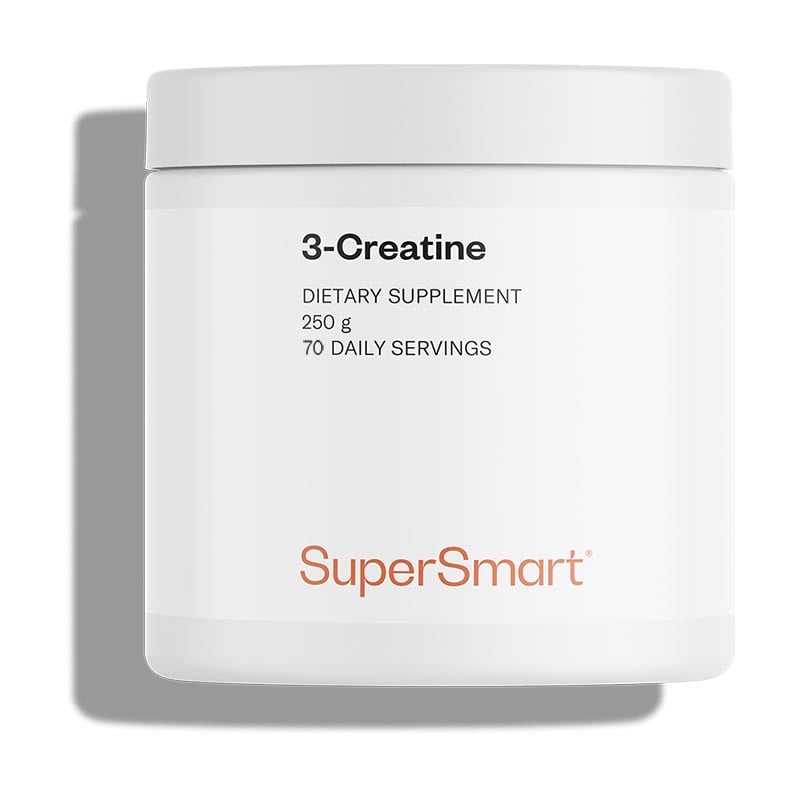
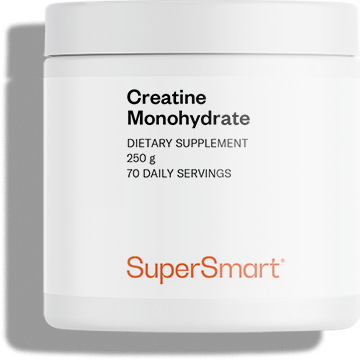
Creatine Monohydrate
Creatine Monohydrate Powder: Muscle Performance, Sports, Cognition


Complete your selection
What are the benefits of creatine monohydrate powder?
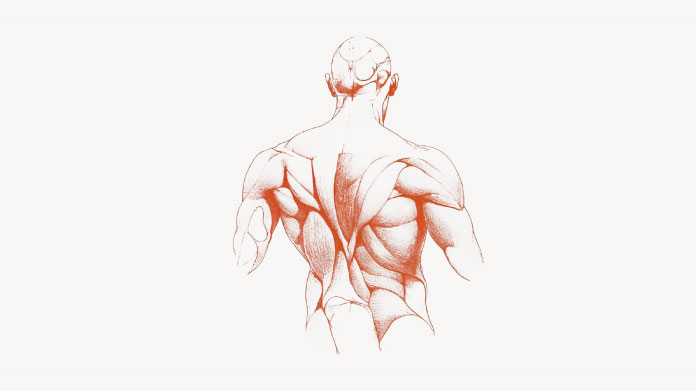
A cornerstone of sports nutrition, creatine monohydrate is one of the most extensively studied substances for its effects on physical performance, muscle strength and body composition.
Scientific interest in creatine also extends to muscle aging and cognitive functions.
Improve your performance during short, intense exercise
Creatine plays a role in the regeneration of ATP (adenosine triphosphate), the main source of energy immediately available to muscles, through its stores in the form of phosphocreatine.
By increasing these muscle stores, supplementation promotes the rapid availability of energy during intense, repeated exercise.
At a daily intake of 3 g of creatine, it increases physical performance in successive bursts of short-term, high-intensity exercise.
Develop muscle strength alongside training
The effects of creatine on strength gains associated with resistance training are extensively documented.
A meta-analysis of 23 randomized controlled trials involving adults under 50 found significantly greater strength gains than with placebo, equivalent to an average of 4.4 kg more for the upper body and 11.4 kg for the lower body, across different strength tests (1).
Support muscle mass gains and changes in body composition
Creatine is also studied for its effects on lean body mass, which includes muscle, and on body composition.
A meta-analysis of randomized trials involving adults performing resistance training observed the following results with creatine supplementation (2):
- an additional average gain of 1.14 kg of lean body mass;
- an average reduction of 0.88 percentage points in body fat percentage, equivalent to approximately 0.73 kg less body fat.
These findings suggest potential benefits when combined with regular, appropriately tailored training.
Preserve muscle strength as you age
With age, the progressive decline in muscle mass and strength can affect physical abilities.
Several studies suggest that creatine, combined with resistance training, may help preserve certain muscle-related parameters in older adults (3-4).
A study involving postmenopausal women reported an additional average gain of 0.37 kg of lean body mass and an improvement of 7.5 kg in the leg press test (5).
Daily consumption of 3 g of creatine may also enhance the effect of resistance training on muscle strength in adults over 55, under the conditions specified by the authorized European health claim.
Explore the effects of creatine on memory and cognition
Also present in the brain, creatine contributes to its energy metabolism, generating growing interest in its potential effects on cognition.
A meta-analysis of randomized controlled trials reported encouraging findings regarding memory in certain populations (6).
Other studies have explored its effects on attention and information processing speed, with promising results (7).
5 key strengths and reasons to buy creatine monohydrate powder
- 99.9% pure creatine monohydrate: our raw material offers exceptional purity, with very low levels of creatinine, dihydrotriazine (DHT) and dicyandiamide (DCD), three impurities subject to rigorous monitoring;
- 3 g of creatine per day: each 3.5 g scoop of creatine monohydrate provides a scientifically established daily dose for improving physical performance during short, intense and repeated bursts of exercise;
- the most extensively studied form of creatine: creatine monohydrate is backed by decades of research into strength, muscle mass and body composition, as well as more recent studies on cognition;
- a convenient and versatile powder format: the creatine mixes easily into a drink and fits into your sports routine, without the need to swallow multiple capsules;
- 70 days of supplementation: with its 70 daily servings, this 250 g container supports your training for 10 weeks.
What is the composition of Creatine Monohydrate?
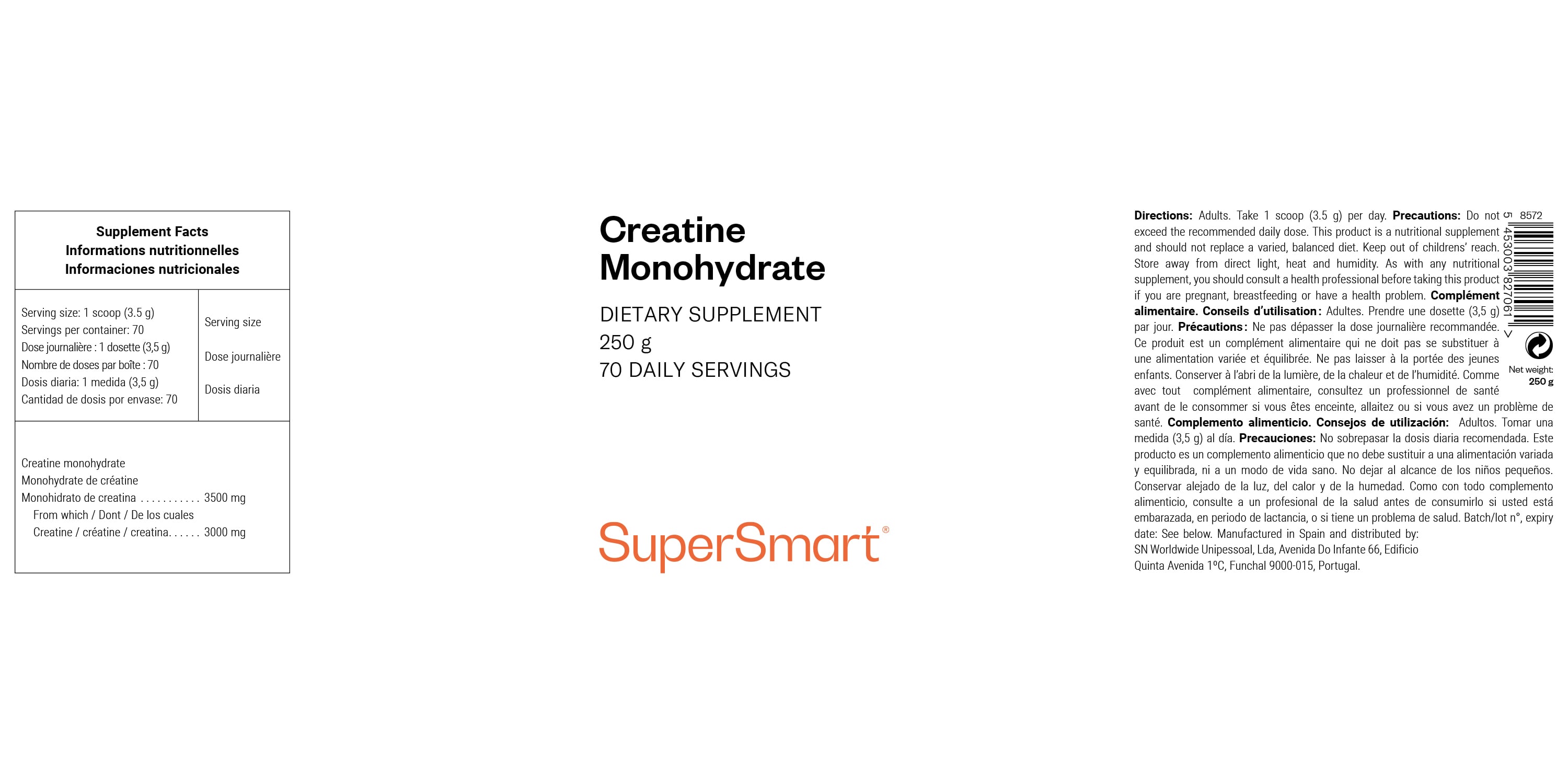
| Daily serving: 1 scoop (3.5 g) Servings per container: 70 |
Daily serving |
| Creatine monohydrate Of which creatine |
3,500 mg 3,000 mg |
What is creatine monohydrate and how does it work?
Creatine is a substance naturally present in the body, mainly in the muscles, but also in the brain.
It is synthesized primarily by the liver and kidneys from three amino acids: glycine, arginine and methionine.
It is also obtained through the diet, mainly from meat and fish.
What role does creatine play in the muscles?
In muscle cells, some creatine is converted into phosphocreatine, an energy reserve that helps rapidly regenerate ATP (adenosine triphosphate).
ATP provides the energy required for muscle contraction, but its immediately available stores are limited.
The creatine-phosphocreatine system therefore plays a particularly important role during short, intense efforts, such as sprinting, weight training or explosive exercises.
Why choose creatine monohydrate?
Creatine monohydrate consists of one creatine molecule combined with one water molecule.
It is the most extensively studied form of creatine supplementation, with well-documented effectiveness in increasing muscle creatine stores.
Other commercially available forms, including creatine hydrochloride and creatine ethyl ester, have not demonstrated overall superiority over monohydrate in terms of physical performance.
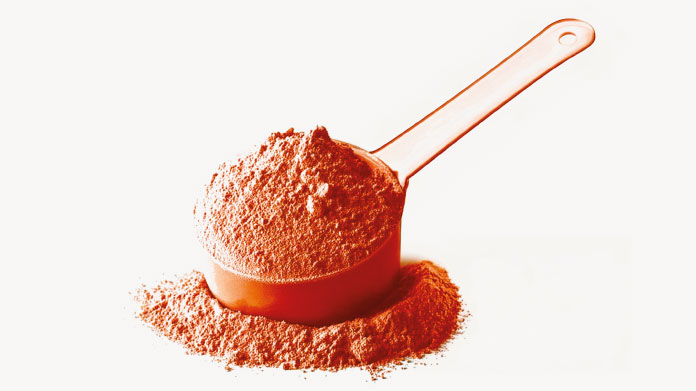
Our powder formula provides 3.5 g of creatine monohydrate per scoop, including 3 g of creatine, without requiring several capsules.
Who is creatine monohydrate powder suitable for?
Creatine monohydrate is intended for adults wishing to supplement their creatine intake, particularly as part of regular physical activity.
It may be of particular interest to:
- weight training and fitness enthusiasts looking to support their resistance training and muscle strength goals;
- athletes performing short, explosive efforts, such as sprinting, team sports or activities involving repeated accelerations;
- adults over 55, particularly those following suitable resistance training to maintain muscle strength;
- vegetarians and vegans, whose diets generally provide less creatine than those of people who eat meat and fish;
- people interested in research on cognition, while bearing in mind that the effects of supplementation on cognitive functions still need to be confirmed.
The powder format is particularly suitable for people who prefer mixing their supplement into a drink rather than swallowing several capsules every day.
Why can creatine requirements vary?
Creatine requirements and stores vary according to several factors, including muscle mass, diet and physical activity levels.
The body renews part of its stores every day, while a small amount of creatine is spontaneously converted into creatinine and then eliminated.
Does the diet provide enough creatine?
Meat and fish are the main dietary sources of creatine, while plant-based foods generally contain very little.
People following vegetarian or vegan diets therefore often have lower initial muscle creatine stores.
This does not necessarily mean they have a deficiency, as the body can synthesize its own creatine.
Do age and physical activity affect creatine stores?
The total amount of creatine stored in the body partly depends on muscle mass, which may gradually decrease with age.
Training that heavily relies on the phosphocreatine energy system also helps explain why supplementation is of particular interest to athletes.
However, it is important to distinguish individual physiological requirements from the dosages used in studies: creatine supplementation does not necessarily address a deficiency.
How should Creatine Monohydrate powder be taken?
The recommended dosage is 1 scoop per day, providing 3.5 g of creatine monohydrate, including 3 g of creatine.
Mix the powder into a drink of your choice and consume it after preparation.
Creatine can be incorporated into your daily routine, on both training and rest days.
When should you take creatine: before or after training?
Research has not clearly established that taking creatine before or after exercise is consistently superior.
For daily supplementation, consistency of intake matters more than choosing a specific time.
Is a loading phase necessary?
Some scientific protocols use a loading phase, with higher doses for a few days, to rapidly increase muscle creatine stores.
However, this step is not essential: taking 3 g of creatine daily also gradually increases these stores, generally over a few weeks.
Follow the recommended daily dosage stated on the product label.
How long does a container of Creatine Monohydrate last?
Each container provides 70 daily servings, equivalent to 10 weeks of supplementation at one scoop per day.
This duration reflects the contents of the container, not a maximum period of use.
If you are pregnant, breastfeeding or have a health condition, consult a healthcare professional before taking any supplements.
Which food supplements can be combined with creatine monohydrate?
Creatine monohydrate can be combined with other food supplements to build a sports nutrition routine tailored to your goals.
To support muscle development
Creatine can be combined with ingredients studied for their potential benefits in the context of muscle training, such as PeptiStrong® fava bean peptides.
Our Muscle Mass Booster formula combines PeptiStrong®, ursolic acid, vitamin D3 and spermidine, offering a complementary approach to muscle nutrition.
✅ You can buy Muscle Mass Booster to complement your sports nutrition programme.
To supplement your protein intake
While creatine plays a role in the rapid availability of muscle energy, proteins contribute to the growth and maintenance of muscle mass.
Our Native Whey Protein Isolate helps supplement daily protein intake, particularly when requirements are increased by physical activity.
✅ To buy a protein powder to combine with your creatine, discover Native Whey Protein Isolate.
To contribute to normal muscle function
Magnesium contributes to normal muscle function, normal energy-yielding metabolism and the reduction of tiredness and fatigue.
Our OptiMag supplement is therefore a relevant addition to a creatine routine, particularly when dietary magnesium intake is insufficient.
✅ Discover OptiMag to complement your sports nutrition routine with magnesium.
Quality, purity and traceability of our creatine monohydrate powder supplement
Our product is made from creatine monohydrate with a purity of 99.9%, using the same raw material as our capsule formula.
It contains particularly low levels of impurities, including creatinine, DHT and DCD.
Each batch undergoes quality controls to verify its compliance with established specifications, ensuring purity and traceability.
A certificate of analysis is available directly on this product page, providing optimal transparency regarding its composition.
What is in Creatine Monohydrate
Any questions?
Our team of nutrition experts and scientists has the answers.
Creatine monohydrate is the most extensively studied form of creatine in sports nutrition.
In muscles, creatine helps with the rapid regeneration of ATP, the main source of energy used during muscle contractions, particularly during short, intense efforts.
At a daily intake of 3 g of creatine, it increases physical performance in successive bursts of short-term, high-intensity exercise.
Our Creatine Monohydrate powder supplement provides precisely this amount in a daily scoop containing 3.5 g of creatine monohydrate.
Yes, daily creatine monohydrate supplementation is commonly used in scientific studies, including over extended periods.
In healthy adults, supplementation at recommended doses generally has a good safety profile, according to available evidence.
Regular intake helps maintain muscle creatine stores, including on rest days.
Our formula provides 3 g of creatine per day in one scoop, and each container contains 70 daily servings.
If you have a health condition, particularly a kidney condition, consult a healthcare professional before taking any supplement.
This powdered supplement is offered in the purest form possible, unflavoured and unsweetened. When you choose this product, you are paying for and consuming active ingredients only, with no unnecessary additives (no sweeteners, artificial flavourings or added sugars). You can therefore consume it in the most natural way possible by simply mixing it with water, or you are free to personalise it : adding the sweetener of your choice, replacing the water with another drink (such as fruit juice), etc.
For our Creatine Monohydrate supplement, we recommend taking one 3.5 g scoop daily, providing 3 g of creatine.
Simply mix the powder into a beverage of your choice and consume after preparation.
You can take your creatine before or after training, or at another time of day: no specific timing has consistently been shown to be superior.
A loading phase is not necessary to gradually increase muscle creatine stores.
Creatine does not act like a stimulant whose effects can be felt immediately after taking it.
Its benefits are based in part on the gradual increase in muscle creatine and phosphocreatine stores.
With a daily intake of approximately 3 g of creatine, this increase generally occurs over several weeks, often around 3 to 4 weeks, depending on initial stores and individual characteristics.
However, this timeframe does not guarantee visible improvements in strength or muscle mass: these also depend on training, diet and individual response.
With Creatine Monohydrate powder, therefore, prioritise regular intake while following the recommended dosage.
july 14 2026
Top, sans goût et facilement dispersible.
march 28 2026
Good product, received quickly.
 Translated by SuperSmart
march 27 2026
For now I am at the beginning of the treatment but I feel that it helps me I have never tried creatine before thank you
Translated by SuperSmart
october 20 2025
i haverbrought this for the first time so hard to rate really
june 12 2025
It helps me maintain normal blood creatinine levels and also for muscle pain.
Translated by SuperSmart
Need help?
of experience
your money back
##montant## purchase