
Microplastics: an invisible threat to our bones?
Microplastics are now being detected in many environments… including the human body! A recent study looks at a subject that has yet to be fully explored: their potential impact on bone health.


Microplastics and bones: what recent research suggests
Having already been studied for their effects on various organs, microplastics may also interact with bone tissue.
A study published in June 2025 explores their potential effects on bone health (1).
It suggests that certain microplastics could disrupt the balance of bone remodelling, in particular through:
- interactions with the cells responsible for bone formation and resorption;
- inflammatory, oxidative and cellular mechanisms involved in the maintenance of bone tissue.
These initial observations call for a better understanding of the mechanisms at play and their possible long-term implications.
What are the potential effects of microplastics on bone homeostasis?
Bone: a living tissue in constant renewal
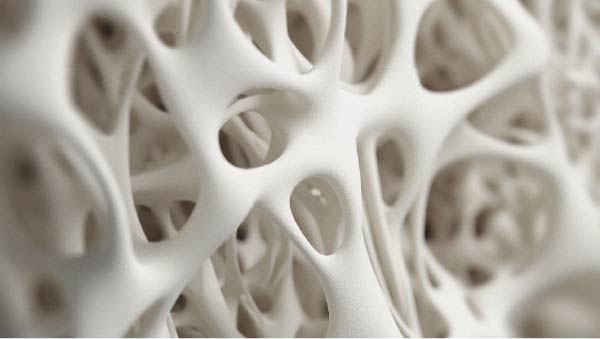
Contrary to popular belief, bone is not a static structure: it is a living tissue that is constantly being renewed.
This process, known as bone remodelling, relies on a balance between two types of cells:
- osteoblasts, which contribute to bone formation;
- osteoclasts, which are involved in bone resorption.
It is this balance that maintains bone strength and microarchitecture over time.
Bone marrow also plays a central role in this process. It harbours stromal cells capable of differentiating into various cell types, notably bone cells.
These mechanisms operate in a coordinated manner, and their balance is essential for preserving the quality and strength of bone tissue.
Potential effects of microplastics on bone cells
According to the study published in June 2025, microplastics may interact with the cells involved in bone remodelling.
Some observations suggest that they could impair cell viability, that is, the proper functioning and survival of cells.
They could also influence cell differentiation by altering the ability of stromal cells to develop into fully functional bone cells.
Ultimately, these effects could disrupt the balance between bone formation and resorption, thereby influencing bone remodelling. However, these hypotheses have yet to be confirmed.
Several biological mechanisms are being investigated to explain these effects
Several biological mechanisms are being investigated to understand the potential effects of microplastics on bone cells.
In particular, they may promote oxidative stress, which corresponds to an imbalance between free radicals and the body’s defences, and this could impair the functioning of bone cells (2).
The microparticles could also trigger inflammatory reactions (3). However, when inflammation becomes chronic, it could disrupt the balance of bone remodelling.
Finally, microplastics are also being studied for their interaction with cellular senescence (4), that is, the ageing of cells and the gradual loss of their function, which could contribute to these alterations.
It is important to emphasise, however, that these findings are mainly derived from experimental models (in vitro or animal studies). To date, data from human studies remain limited, and no direct link can be established.
How can we support bone health in the face of exposure to microplastics?
Reducing exposure to microplastics in everyday life.
Microplastics are now present in many environments, making it difficult to eliminate them entirely.
They are found, in particular, in the air, water, certain foods (including seafood) and even household dust.
However, it is possible to limit daily exposure through a few simple measures (5):
- avoid heating food in plastic containers;
- limit the use of plastic utensils in contact with hot food;
- opt for materials such as glass, stainless steel or ceramic;
- reduce the use of certain plastic bottles;
- limit your consumption of ultra-processed foods and plastic packaging;
- Ventilate living spaces regularly and minimise the build-up of dust.
These measures do not completely eliminate exposure, but can help to reduce it to some extent.
Take part in suitable physical activity and adopt a healthy lifestyle
Bone health does not depend solely on nutritional intake: it also depends largely on lifestyle.
Regular physical activity, particularly weight-bearing exercises (walking, running, strength training), plays a key role in maintaining bone remodelling and mineral density (6–8).
A balanced diet, including an adequate intake of protein, also helps to maintain tissues, including bone tissue.
Conversely, certain factors such as a sedentary lifestyle or smoking are associated with a decline in bone quality (9–10).
In this context, adopting a consistent, holistic lifestyle is an essential strategy for supporting long-term bone health, regardless of environmental exposures.
Providing the nutrients essential for maintaining bone health
Several essential nutrients are involved in bone structure and metabolism, and act in a complementary manner.
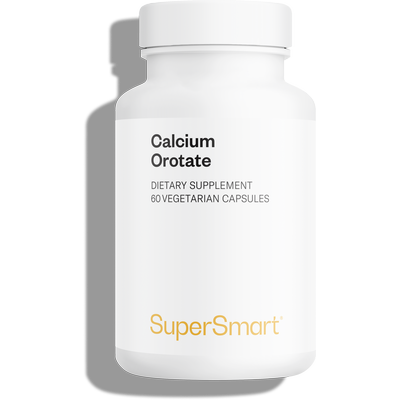
Calcium is a major component: it is necessary for the normal growth and development of bones in children, and for the maintenance of normal bones.
 Discover Calcium Orotate, a calcium orotate supplement for optimised absorption.
Vitamin D promotes the absorption and utilisation of calcium and helps maintain normal bones. Although produced by the body in response to exposure to sunlight, levels may be insufficient depending on lifestyle or the time of year.
Discover the Vitamin D3 5000 IU supplement, a formula providing vitamin D to supplement natural intake.
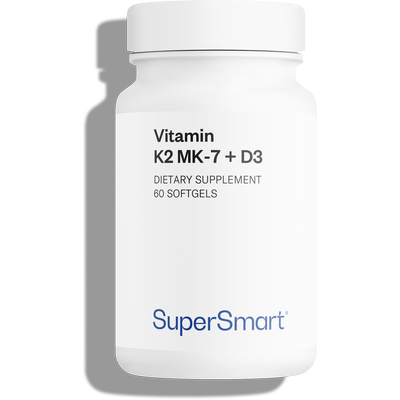
Vitamin K also helps maintain normal bones, particularly by playing a role in the mechanisms involved in calcium utilisation. It works in synergy with vitamin D, which explains the benefits of certain combinations.
Discover Complete K, a formula combining several forms of vitamin K, and Vitamin K2 MK-7 + Vitamin D3, a dietary supplement that combines vitamins D3 and K2.
Finally, magnesium also helps maintain normal bones and plays a part in numerous cellular functions involved in tissue balance.
Discover Magnesium Orotate, a magnesium orotate supplement to top up your daily intake.
Supporting bone remodelling and bone cell activity
Beyond the nutrients essential for bone health, certain approaches aim to support bone remodelling, that is, the balance between bone formation and resorption.
These are based on combinations of nutrients and plant compounds studied for their interaction with the structure and renewal of bone tissue, particularly certain extracts rich in flavonoids.
Discover Bone Health, a formula based on extracts of Astragalus membranaceus and Cuscuta chinensis, plants used in traditional Chinese medicine.
Bone morphogenetic proteins (BMPs) are also being studied for their role in cell differentiation and bone formation. However, these mechanisms are currently being explored mainly in experimental settings.
Discover the Bone Morphogenetic Proteins supplement, a complex containing bone morphogenetic proteins and associated growth factors (TGF-β, bFGF, VEGF and IGF).
Finally, some comprehensive formulas combine several complementary nutrients: calcium, vitamin D3, vitamin K2, magnesium, as well as collagen, a protein involved in the structure of the bone matrix.
Discover Super Bone Formula, a calcium-rich formula that also contains zinc, magnesium, vitamin D3, vitamin K2 and other nutrients associated with bone health.
These approaches form part of a comprehensive strategy aimed at supporting the balance of bone tissue, alongside a varied diet and a healthy lifestyle.
SUPERSMART’S ADVICE




References
- Pelepenko LE, de Oliveira MC, Masaro DA, Lustosa GMMM, Mazon T, Castilho RF, Dos Reis LM, Mac-Way F, Hénaut L, Kamel S, Louvet L, Oliveira RB. Effects of microplastics on the bones: a comprehensive review. Osteoporos Int. 2025 Aug;36(8):1327-1345. doi: 10.1007/s00198-025-07580-4. Epub 2025 Jun 24. PMID: 40553183.
- Shinohara I, Morita M, Chow SK, Murayama M, Sususki Y, Gao Q, Goodman SB. Pathophysiology of the Effects of Oxidative Stress on the Skeletal System. J Orthop Res. 2025 Jun;43(6):1059-1072. doi: 10.1002/jor.26075. Epub 2025 Mar 26. PMID: 40143581.
- Wang XL, Han WQ, Yang K, Chang FJ, Zhang W, Li Z, Yang YJ. The role of microparticles in oxidative stress and inflammation in patients with vascular intimal hyperplasia. J Int Med Res. 2025 Aug;53(8):3000605251364781. doi: 10.1177/03000605251364781. Epub 2025 Aug 12. PMID: 40794424; PMCID: PMC12344357.
- Shiwakoti S, Dhakal B, Ok Y, Gong DS, Ko JY, Kim PG, Oak MH. Nanoplastics: An emerging environmental concern in age-related diseases. Environ Pollut. 2025 Nov 1;384:126972. doi: 10.1016/j.envpol.2025.126972. Epub 2025 Aug 8. PMID: 40784478.
- https://www.enseignementsup-recherche.gouv.fr/fr/perturbateurs-endocriniens-microplastiques-ce-que-dit-la-science-sur-la-pollution-101135
- Garofolini A, Taylor S. The effect of running on foot muscles and bones: A systematic review. Hum Mov Sci. 2019 Apr;64:75-88. doi: 10.1016/j.humov.2019.01.006. Epub 2019 Jan 22. PMID: 30682645.
- Wilson DJ. Osteoporosis and sport. Eur J Radiol. 2019 Jan;110:169-174. doi: 10.1016/j.ejrad.2018.11.010. Epub 2018 Nov 13. PMID: 30599856.
- Hejazi K, Rahimi GRM, Hofmeister M. Impact of exercise modalities on bone health: a meta-analysis of aerobic, resistance, and combined training on bone mineral density in postmenopausal women. Arch Osteoporos. 2025 Jul 27;20(1):105. doi: 10.1007/s11657-025-01594-5. PMID: 40715912.
- Al-Bashaireh AM, Haddad LG, Weaver M, Kelly DL, Chengguo X, Yoon S. The Effect of Tobacco Smoking on Musculoskeletal Health: A Systematic Review. J Environ Public Health. 2018 Jul 11;2018:4184190. doi: 10.1155/2018/4184190. PMID: 30112011; PMCID: PMC6077562.
- Bruyère O, Scott D, Papaioannou A, Buehring B, Camargos BM, Chapurlat R, Chevalley T, Dennison EM, Kaux JF, Lane NE, Messina OD, Rizzoli R, Torres JM, Paccou J, Reginster JY, Tuzun S, Blank RD, Silverman S, Pinto D; Rehabilitation Working Group of IOF Committee of Scientific Advisors. The Impact of Sedentary Behavior and Physical Activity on Bone Health: A Narrative Review from the Rehabilitation Working Group of the International Osteoporosis Foundation. Calcif Tissue Int. 2025 Aug 15;116(1):109. doi: 10.1007/s00223-025-01421-6. PMID: 40815408.
Keywords



1087 Days
Great service
Great service
Ryszard
1100 Days
Profesjonalna obsługa
Bardzo dobre i rzeczowe opisy. Profesjonalna obsługa.
PIEKOSZEWSKI Chris
1768 Days
Wszystko OK!
Wszystko poszło jak powinno 🙂
SITKIEWICZ Pawel
2555 Days
Szybko sprawnie bez problemów
Szybko sprawnie bez problemów
Marek
of experience
your money back
##montant## purchase