
Hair during the menopause: what is the best dietary supplement?
There isn’t just one single best dietary supplement for hair during the menopause. The choice depends on your individual profile and identified needs, particularly any potential nutritional deficiencies.
- ✓ During the menopause, hair can become finer and less dense.
- ✓ There is no single ideal supplement for everyone: the choice depends on the specific problem identified.
- ✓ Significant or persistent hair loss requires a medical assessment.
- ✓ Above all, check the dosages and forms of the ingredients.
- ✓ Allow around 3 months before assessing the results for the first time.

- 01. Why does hair change during the menopause?›
- 02. What should you consider before choosing a dietary supplement?›
- 03. Hair supplements or menopause supplements: what’s the difference?›
- 04. Which active ingredients are actually beneficial for hair during the menopause?›
- 05.Criteria for choosing the best hair supplement during the menopause›
- 06.Our selection of SuperSmart supplements tailored to your profile›
- 07.How to take your course of treatment: duration, timing and combinations›
- 08.Mistakes to avoid with hair supplements during the menopause›
- 09.Frequently asked questions about hair supplements and the menopause›
Why does hair change during menopause?
Hormonal fluctuations during perimenopause, followed by a sustained drop in oestrogen after the menopause, can be accompanied by changes to the hair follicle and the hair itself.
The role of oestrogen in the hair cycle
Hair growth during the menopause, as at any other time in life, follows a cycle comprising several phases (1):
- The anagen phase, the longest (around 2 to 6 years), corresponds to active hair growth.
- The catagen phase, which is fairly short (2 to 3 weeks), during which the follicle regresses.
- The telogen phase, lasting 2 to 3 months, is the resting phase that precedes hair shedding.
Hair follicles are sensitive to sex hormones and, in particular, possess oestrogen receptors. These hormones appear to play a role in regulating the hair cycle.
In postmenopausal women, studies have observed a reduction in the proportion of hair in the anagen phase, as well as changes in its growth rate and diameter (2).
However, the decline in oestrogen should not be regarded as the sole cause of hair loss during the menopause: follicular ageing and changes in the overall hormonal environment also play a part.
What effect do androgens have during the menopause?
At the same time, the decline in oestrogen levels after the menopause alters the balance between oestrogen and androgens.
Androgens, including testosterone and its derivative, dihydrotestosterone (DHT), play a role in the biology of the hair follicle.
In some predisposed women, progressive miniaturisation of the follicles may occur. The hair is then gradually replaced by finer, shorter hair.
This is known as female-pattern hair loss, also called female androgenetic alopecia.
However, the exact role of androgens in this condition is complex. This type of alopecia can also occur in women with normal blood androgen levels (3).
Persistent, progressive or significant thinning therefore warrants a consultation with a dermatologist to determine the cause.
Thinning, dryness, loss of density: recognising the signs
During the menopause, hair may lose diameter and density, but may also become drier, coarser or more brittle.
Its texture may also change: for example, some women find that their hair becomes more wavy, less supple or more difficult to style.
However, the way in which this hair loss manifests itself can point to different causes.
Diffuse hair loss affects the entire scalp. More hair falls out, without any specific area becoming noticeably thinner.
In contrast, female pattern hair loss mainly results in gradual thinning on the top and centre of the scalp, particularly at the vertex (the crown of the head), with a widening of the central parting. The hairline generally remains intact.
Finally, sudden hair loss, localised bald patches, an unusual receding hairline or an inflamed scalp do not fit the classic pattern and warrant medical advice.
Factors that exacerbate the condition
Menopause occurs at a stage in life when several factors likely to affect the hair may coincide.
An overly restrictive diet, significant weight loss or insufficient intake of protein, iron or certain micronutrients can contribute to hair loss (4).
Chronic stress can influence the hair growth cycle and cause hair to enter the telogen phase (5). Disturbed sleep is also frequently associated with hair problems, although no direct causal link has been clearly established.
Furthermore, certain medical conditions, such as thyroid disorders, may also be accompanied by hair loss (6).
Finally, repeated pulling caused by tight buns, plaits or ponytails can damage the follicles. Hair colouring, bleaching and excessive heat styling particularly weaken the hair shaft and make it more prone to breakage, which does not necessarily correspond to hair loss from the root.
What assessment should be carried out before choosing a dietary supplement?
In the event of persistent, significant or unexplained hair loss, a medical assessment can help identify the cause and determine whether further tests are necessary. However, not all postmenopausal women require the following five tests.
Which biological markers can be tested for?
Five markers may be worth analysing as part of a blood test to understand hair loss during the menopause.
| Marker | Why test for it? | In what circumstances might the test be useful? |
|---|---|---|
| FBC (full blood count) | To identify possible anaemia or a problem affecting the blood cell lines | Fatigue accompanied by hair loss may warrant testing for anaemia (7). |
| Ferritin | To assess iron stores | These stores may remain low at the start of the menopausal transition, particularly if periods are still heavy or irregular (8). |
| Serum zinc | To screen for zinc deficiency | Zinc helps maintain normal hair. A deficiency may be accompanied by hair loss (9). |
| 25-OH vitamin D | To assess vitamin D status | Vitamin D deficiency becomes more common with age and may occur alongside hair loss (10). |
| TSH | To screen for a possible thyroid disorder | Thyroid disorders are more common with age and can cause hair loss or thinning. |
When should you consult a healthcare professional before taking supplements?
A consultation is particularly recommended when hair loss is sudden, severe, persistent or occurs in clearly defined patches.
It is also advisable if the hair loss is accompanied by other skin symptoms:
- itching;
- redness;
- flaking;
- pain;
- scalp abnormalities.
Associated general symptoms may also warrant further investigation, particularly in cases of severe fatigue.
Before taking a supplement containing phytoestrogens or other substances that may interact with hormonal pathways, medical advice is essential if you have a history of hormone-dependent cancer or are undergoing hormone replacement therapy (HRT) for the menopause.
Hair supplements or menopause supplements: what’s the difference?
Supplements that target hair health
A hair supplement generally provides nutrients or other active ingredients selected to support hair health.
Biotin, zinc and selenium, for example, help maintain normal hair.
It may be considered when hair becomes thinner, more fragile or brittle, but its effectiveness depends on its composition and the body’s actual needs.
It is particularly relevant when a nutritional deficiency has been identified.
Formulas designed to support the menopause
A dietary supplement designed for the menopause generally targets certain discomforts associated with this period, depending on the ingredients it contains and the health claims that may apply to them.
It can form part of a holistic approach when hair-related concerns coexist with other symptoms of the menopause.
However, it does not constitute a specific solution for hair thinning or loss of hair density.
Should both approaches be combined?
The two types of formula serve different purposes.
Combining them is only justified if each addresses an identified need; it is therefore not always necessary.
It is advisable to compare their compositions and dosages to avoid excessive intake or duplication of ingredients.
If phytoestrogens are present, or if you are undergoing hormone replacement therapy for the menopause or have a history of hormone-dependent cancer, medical advice is essential.
Which active ingredients are actually beneficial for hair during the menopause?
Several nutrients and compounds are used in hair supplements. However, their benefits and the level of evidence supporting them vary considerably.
Nutritional Reference Values (NRVs) provide guidelines for total daily intake. They do not necessarily correspond to supplement doses.
| Active ingredient | NRV (11) or dosage studied | Role or level of evidence |
|---|---|---|
| Zinc | NRV: 10 mg/day | Contributes to the maintenance of normal hair |
| Biotin (vitamin B8) | NRV: 50 µg/day | Contributes to the maintenance of normal hair |
| Iron | NRV: 14 mg/day | Contributes to normal oxygen transport, helps reduce tiredness and plays a role in cell division |
| Selenium | NRV: 55 µg/day | Contributes to the maintenance of normal hair |
| Copper | NRV: 1 mg/day | Contributes to normal hair pigmentation |
| Vitamin B6 | NRV: 1.4 mg/day | Contributes to the regulation of hormonal activity |
| Keratin, cystine, methionine | According to one study (12): 500 mg/day of hydrolysed keratin | Data limited to certain preparations; no reference intake for hair |
| Silicon, collagen, MSM | According to various studies: 10 mg/day of silicon (13); 1 to 3 g/day of MSM (14) | Clinical data on hair is still limited or indirect |
| Evening primrose and borage oils | No established hair dosage | Sources of GLA, but no proven benefit for hair loss during the menopause |
Zinc: form and dosage are crucial
Zinc helps maintain normal hair.
It also plays a part in normal protein synthesis, an important property for a protein-rich structure such as the hair shaft.
Certain forms, such as citrate, are used particularly for their good absorption (15).
It is therefore important to consider both the amount of zinc provided and its form, rather than simply the presence of the mineral in the formulation.
Supplementation is particularly beneficial when intake is insufficient or a deficiency has been identified. The NRV is set at 10 mg per day and the tolerable upper intake level at 25 mg per day for adults, taking into account both diet and supplements.
Biotin (vitamin B8): beneficial, but not necessarily at very high doses
Biotin helps maintain normal hair. It may therefore be included in a hair care formula.
However, the NRV is only 50 µg per day and there is no evidence that a very high dose is more effective in a person who does not have a deficiency.
At high doses, biotin may also interfere with certain laboratory tests, particularly TSH assays (16).
Any supplementation must be reported to your doctor and the laboratory before having a blood test.
Iron and ferritin: never take supplements without medical advice
Iron helps reduce fatigue and supports the normal transport of oxygen in the body.
An iron deficiency may be associated with diffuse hair loss, hence the potential value of a blood ferritin test, which helps to assess iron stores. However, the result must be interpreted in conjunction with the rest of the test results, as ferritin levels can rise in the presence of inflammation.
The aim is not to take iron supplements routinely, but to correct a deficiency only if it is confirmed.
Certain forms, such as ferrous salts or iron bisglycinate, are well absorbed, but their tolerability may vary.
Unnecessary supplementation does not improve hair health and may lead to adverse effects, or even iron overload, which can cause health complications (17).
Selenium, copper and B vitamins: complementary roles during the menopause
Selenium helps maintain normal hair (18), whilst copper contributes to its normal pigmentation (19).
These micronutrients are therefore often included in formulations designed for hair care.
However, excess intake should be avoided: consuming too much selenium can itself lead to brittle nails and hair loss.
For its part, vitamin B6 helps regulate hormonal activity (20).
This does not, however, mean that it compensates for falling oestrogen levels, rebalances androgens or treats hair loss associated with the menopause.
Keratin, cystine and methionine: components of the hair shaft
Keratin makes up the bulk of the hair shaft and contains sulphur-containing amino acids.
Cystine is formed by the combination of two cysteine molecules, whilst methionine can contribute to the synthesis of cysteine.
An adequate protein intake provides the body with the amino acids needed to synthesise its structural proteins (21), including keratin.
During the menopause, an adequate protein intake is also important to help maintain muscle mass, which tends to decrease with age.
However, there is no evidence to suggest that muscles and hair compete directly for these amino acids, nor that targeted supplementation is necessary when dietary intake is sufficient.
Silicon, collagen and MSM: what the literature says
Silicon occurs naturally in various tissues, including hair.
A trial conducted using a specific form – choline-stabilised orthosilicic acid – observed changes in certain mechanical properties of the hair in women with fine hair (13).
Collagen, for its part, is a component of the extracellular matrix surrounding the hair follicle (22).
Finally, MSM is a source of sulphur, an element also present in the bonds that contribute to the structure and strength of keratin (23).
Evening primrose oil and borage oil: the issue of GLA
During the menopause, the skin also changes, notably with a loss of skin firmness.
The decline in oestrogen levels may also be accompanied by drier skin, including on the scalp.
Evening primrose oil and borage oil provide GLA (gamma-linolenic acid).
This omega-6 fatty acid is being studied for its links to skin hydration and the skin’s barrier function (24).
These oils may cause digestive problems. Medical advice is particularly recommended if you are taking anticoagulant or antiplatelet medication.
When it comes to borage oil, it is also advisable to choose a certified product to minimise exposure to pyrrolizidine alkaloids.
Botanical extracts: horsetail, nettle, bamboo, pumpkin seed
Horsetail and bamboo may contain significant levels of silica, which has been studied for its potential effects on certain properties of the hair fibre.
Nettle, meanwhile, is traditionally used in hair care formulations, although clinical evidence remains limited.
Finally, pumpkin seed oil is being studied in relation to loss of hair density and female-pattern hair loss (25).
Criteria for choosing the best hair supplement during the menopause
Chemical form and bioavailability
Two supplements containing the same active ingredient and the same dosage are not necessarily equivalent.
The chemical form can, in particular, influence absorption or tolerance: bisglycinate for iron, various zinc salts, proteins hydrolysed into peptides, etc.
It is therefore important to look beyond the ingredient’s name alone and check whether the form used is one of those studied in dietary supplements for hair loss.
The actual dosage compared with reference values
For vitamins and minerals, compare the daily dose with the NRV stated on the label.
However, the NRV is a nutritional guideline, not an optimal supplementation dose. A high percentage is therefore not automatically preferable.
Conversely, a long list of ingredients may conceal amounts that are merely token.
For active ingredients without an NRV, check whether the form and dosage offered correspond to those used in relevant studies.
The quality of the formulation and excipients
A high-quality label specifies the forms, quantities and origin of the active ingredients.
Batch traceability and tests carried out by an independent laboratory are also useful indicators. A certificate of analysis is only truly informative if it corresponds to the batch in question and specifies the parameters tested.
Excipients generally serve a technological purpose: stability, preservation, manufacturing or product homogeneity.
Above all, look for a transparent formulation, free from unnecessary additives, and compatible with any allergies or intolerances you may have.
Compatibility with your medical condition
A history of hormone-dependent cancer, or if you are taking thyroid medication, hormone replacement therapy for the menopause or anticoagulants: these situations require particular caution.
Not all hair care products are affected in the same way. Particular caution is advised with products containing phytoestrogens, certain plant extracts or nutrients that may interact with medicines.
In such cases, seek advice from a doctor or pharmacist before starting to take any supplements.
Our selection of SuperSmart supplements tailored to your profile
SuperSmart draws on 34 years’ expertise in formulation, with a focus on the selection and traceability of raw materials, as well as the provision of certificates of analysis.
Profile 1: established diffuse hair thinning following the menopause
When hair gradually becomes less dense after the menopause, it is important to take into account the follicle’s new hormonal environment, but also to investigate any potential nutritional or medical factors.
Persistent or significant hair loss requires a thorough assessment to determine its cause.
A hair supplement alone does not correct the hormonal changes associated with the menopause.
 Discover Keranat™, a formula combining a patented plant-based complex with biotin and zinc, which help maintain normal hair, as well as vitamin B6, which helps regulate hormonal activity.
Profile 2: dry, dull and brittle hair without significant hair loss
For some women, the menopause manifests itself less as significant hair loss and more as a change in the hair fibre, resulting in hair that is finer, drier, duller or more brittle.
In addition to ensuring an adequate intake of protein, a formula can combine nutrients that help maintain normal hair with other compounds studied for their effects on hair fibre properties.
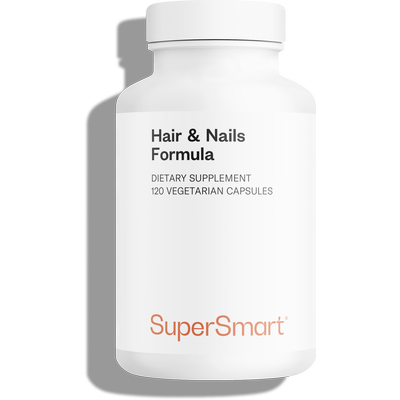
Discover Hair & Nails Formula, which combines solubilised keratin (Cynatine® HNS), L-cysteine, MSM, a silica-rich bamboo extract, zinc and biotin.
Profile 3: hair loss associated with fatigue and low ferritin
When blood tests reveal low ferritin levels, the priority is to identify the cause of the deficiency and to consult a healthcare professional to determine whether iron supplementation is necessary.
This assessment is particularly important after the menopause, a period during which iron deficiency can no longer be systematically attributed to menstrual blood loss.
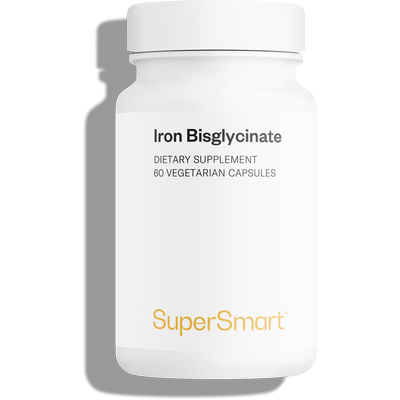
Discover the Iron Bisglycinate dietary supplement, a formula based on ferrous bisglycinate providing up to 15 mg of elemental iron per daily dose.
Profile 4: Perimenopause and a holistic approach
During perimenopause, changes to the hair may occur alongside other symptoms associated with the hormonal transition.
A formula specifically designed for the menopause can therefore form part of a more holistic approach, depending on individual needs and any potential contraindications.
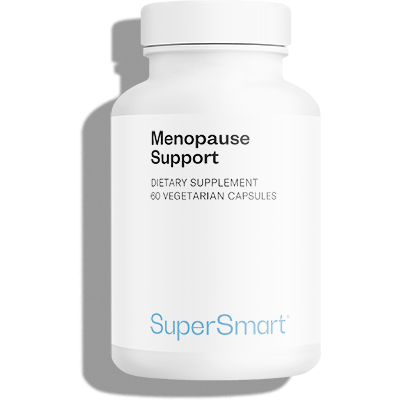
Discover the Menopause Support dietary supplement, a formula combining, amongst other ingredients, extracts of Actaea racemosa and FenuSmart® fenugreek, vitamin B6, vitamin D3 and magnesium, free from synthetic hormones and soya isoflavones.
How to take the course of treatment: duration, timing and combinations
How long should the course of treatment last to take the hair growth cycle into account?
The menopause gradually alters the hair cycle and the characteristics of the hair: it is therefore necessary to think in terms of months rather than weeks.
For a hair care formula, approximately three months may be considered an initial assessment period.
This timeframe does not apply to all supplements: iron supplementation must be tailored to the results of blood tests, whilst a formula designed to address the symptoms of the menopause follows its own recommendations for use.
At what time of day should you take your supplement?
For most hair supplements, the time of day you take them is not important: consistency matters more than the specific time.
When a formula combines vitamins, minerals, amino acids or plant extracts, taking it with a meal may improve digestive tolerance.
However, this does not necessarily improve the absorption of all the ingredients.
Useful accompaniments to supplementation
After the menopause, make sure you maintain an adequate protein intake, which is necessary for the synthesis of the body’s structural proteins.
A varied diet, combined with gentle scalp care and styling techniques that do not put too much strain on the hair shaft, also helps to maintain hair that is becoming finer or drier.
How can you monitor changes in your hair?
Take a photograph of your parting and the top of your head every month, always from the same angle and under the same lighting, so that you can see how your hair changes over time.
You can also measure the circumference of your ponytail and assess the amount of hair lost during washing to complement this monitoring.
Mistakes to avoid with hair supplements during the menopause
- Attributing all hair loss to hormones: a deficiency, a thyroid disorder or another cause may be occurring alongside the menopause.
- Stopping the course of treatment too early or continuing it without reassessment: a few weeks are generally not enough to assess changes in hair condition. You should follow the recommended duration, then review your progress rather than continuing indefinitely with an ineffective product.
- Taking iron without a confirmed deficiency: unnecessary supplementation exposes you to side effects and the risk of excess intake.
- Taking both hair supplements and menopause supplements without comparing the labels: zinc, selenium, iron or vitamins may be duplicated, leading to excessive intake.
- Choosing phytoestrogens or certain plant extracts without taking into account your THM levels or medical history: their compatibility must be checked if you are undergoing hormone replacement therapy for the menopause or have a history of hormone-dependent cancer.
- Neglecting protein and diet: a supplement does not compensate for insufficient nutritional intake.
- Failing to mention biotin intake before a blood test: high-dose formulations can skew certain laboratory results, particularly those relating to thyroid function tests.
Frequently asked questions about hair supplements and the menopause
What is the best dietary supplement for hair during the menopause?
It depends on the predominant change: loss of density, weakening of the hair shaft or nutritional deficiency. The most suitable formula is one whose active ingredients and dosages correspond to the previously identified need.
Why does hair fall out more during the menopause?
The drop in oestrogen alters the hormonal environment and the follicular cycle. This may be compounded by follicular ageing, sensitivity to androgens, or nutritional and thyroid-related factors.
Is hair thinning during the menopause reversible?
It depends on the cause. Hair loss linked to a deficiency or certain external factors may improve once the cause has been addressed. Progressive follicular miniaturisation, on the other hand, requires specific treatment to try to stabilise its progression.
How long does it take to see a change?
It generally takes several months to notice a change in hair loss or density. Three months may be an initial assessment point for a hair care product, but changes in density may take longer. This waiting period should not delay seeking medical advice if hair loss is significant or worsening.
Can a hair care supplement be taken alongside a menopause supplement?
Yes, provided they serve two distinct purposes and combining them is suitable for your situation. Compare their ingredients to avoid excessive intake and interactions.
Are these supplements compatible with hormone replacement therapy (HRT)?
A formula providing only nutrients and one containing phytoestrogens or certain plant extracts raise different considerations. If you are on HRT, ask your doctor or pharmacist to check the supplement’s composition before taking it alongside your treatment.
Do phytoestrogens pose a risk during the menopause?
Phytoestrogens do not form a homogeneous category: their profile depends on the substance, the dose and the duration of use. Particular caution is required in cases of a history of hormone-dependent cancer or treatment affecting the hormonal pathways. Medical advice is therefore essential.
Should you have a blood test before starting a course of treatment?
Yes, if the hair loss is significant, persistent, sudden or associated with other symptoms. A healthcare professional will then determine which tests are necessary to check for conditions such as anaemia, low iron stores, nutritional deficiencies or thyroid disorders.
SUPERSMART ADVICE

References
- Natarelli N, Gahoonia N, Sivamani RK. Integrative and Mechanistic Approach to the Hair Growth Cycle and Hair Loss. J Clin Med. 2023 Jan 23;12(3):893. doi: 10.3390/jcm12030893. PMID: 36769541; PMCID: PMC9917549. 🔗
- Mirmirani P. Hormonal changes in menopause: do they contribute to a 'midlife hair crisis' in women? Br J Dermatol. 2011 Dec;165 Suppl 3:7-11. doi: 10.1111/j.1365-2133.2011.10629.x. PMID: 22171679. 🔗
- Ramos PM, Miot HA. Female Pattern Hair Loss: a clinical and pathophysiological review. An Bras Dermatol. 2015 Jul-Aug;90(4):529-43. doi: 10.1590/abd1806-4841.20153370. PMID: 26375223; PMCID: PMC4560543. 🔗
- Finner AM. Nutrition and hair: deficiencies and supplements. Dermatol Clin. 2013 Jan;31(1):167-72. doi: 10.1016/j.det.2012.08.015. Epub 2012 Oct 18. PMID: 23159185. 🔗
- Jimeno Ortega I, Stefanato CM. Telogen effluvium: a 360 degree review. Ital J Dermatol Venerol. 2023 Dec;158(6):457-466. doi: 10.23736/S2784-8671.23.07579-5. PMID: 38015483. 🔗
- Olszewska M, Warszawik O, Rakowska A, Słowińska M, Rudnicka L. Methods of hair loss evaluation in patients with endocrine disorders. Endokrynol Pol. 2010 Jul-Aug;61(4):406-11. PMID: 20806187. 🔗
- Treister-Goltzman Y, Yarza S, Peleg R. Iron Deficiency and Nonscarring Alopecia in Women: Systematic Review and Meta-Analysis. Skin Appendage Disord. 2022 Mar;8(2):83-92. doi: 10.1159/000519952. Epub 2021 Nov 19. PMID: 35415182; PMCID: PMC8928181. 🔗
- Mansour D, Hofmann A, Gemzell-Danielsson K. A Review of Clinical Guidelines on the Management of Iron Deficiency and Iron-Deficiency Anemia in Women with Heavy Menstrual Bleeding. Adv Ther. 2021 Jan;38(1):201-225. doi: 10.1007/s12325-020-01564-y. Epub 2020 Nov 27. PMID: 33247314; PMCID: PMC7695235. 🔗
- Zufishan S, Haque Z, Nazar S, Afaq E, Aamir E, Rafique S. Role of zinc in chronic telogen effluvium in serum and hair of patients with alopecia. J Pak Med Assoc. 2024 Feb;74(1 (Supple-2)):S47-S50. doi: 10.47391/JPMA-DUHS-S10. PMID: 38385471. 🔗
- Gerkowicz A, Chyl-Surdacka K, Krasowska D, Chodorowska G. The Role of Vitamin D in Non-Scarring Alopecia. Int J Mol Sci. 2017 Dec 7;18(12):2653. doi: 10.3390/ijms18122653. PMID: 29215595; PMCID: PMC5751255. 🔗
- Règlement UE 1169/2011 ANNEXE XIII. 🔗
- Beer C, Wood S, Veghte RH. A clinical trial to investigate the effect of Cynatine HNS on hair and nail parameters. ScientificWorldJournal. 2014;2014:641723. doi: 10.1155/2014/641723. Epub 2014 Oct 16. PMID: 25386609; PMCID: PMC4214097. 🔗
- Wickett RR, Kossmann E, Barel A, Demeester N, Clarys P, Vanden Berghe D, Calomme M. Effect of oral intake of choline-stabilized orthosilicic acid on hair tensile strength and morphology in women with fine hair. Arch Dermatol Res. 2007 Dec;299(10):499-505. doi: 10.1007/s00403-007-0796-z. Epub 2007 Oct 25. PMID: 17960402. 🔗
- Muizzuddin N, Benjamin R. Beneficial Effects of a Sulfur-Containing Supplement on Hair and Nail Condition [1] A prospective, double-blind study in middle-aged women. 2020. 🔗
- Wegmüller R, Tay F, Zeder C, Brnic M, Hurrell RF. Zinc absorption by young adults from supplemental zinc citrate is comparable with that from zinc gluconate and higher than from zinc oxide. J Nutr. 2014 Feb;144(2):132-6. doi: 10.3945/jn.113.181487. Epub 2013 Nov 20. PMID: 24259556; PMCID: PMC3901420. 🔗
- Ylli D, Soldin SJ, Stolze B, Wei B, Nigussie G, Nguyen H, Mendu DR, Mete M, Wu D, Gomes-Lima CJ, Klubo-Gwiezdzinska J, Burman KD, Wartofsky L. Biotin Interference in Assays for Thyroid Hormones, Thyrotropin and Thyroglobulin. Thyroid. 2021 Aug;31(8):1160-1170. doi: 10.1089/thy.2020.0866. Epub 2021 May 26. PMID: 34042535; PMCID: PMC8420951. 🔗
- Papanikolaou G, Pantopoulos K. Iron metabolism and toxicity. Toxicol Appl Pharmacol. 2005 Jan 15;202(2):199-211. doi: 10.1016/j.taap.2004.06.021. PMID: 15629195. 🔗
- Almohanna HM, Ahmed AA, Tsatalis JP, Tosti A. The Role of Vitamins and Minerals in Hair Loss: A Review. Dermatol Ther (Heidelb). 2019 Mar;9(1):51-70. doi: 10.1007/s13555-018-0278-6. Epub 2018 Dec 13. PMID: 30547302; PMCID: PMC6380979. 🔗
- Olivares M, Uauy R. Copper as an essential nutrient. Am J Clin Nutr. 1996 May;63(5):791S-6S. doi: 10.1093/ajcn/63.5.791. PMID: 8615366. 🔗
- Tully DB, Allgood VE, Cidlowski JA. Modulation of steroid receptor-mediated gene expression by vitamin B6. FASEB J. 1994 Mar 1;8(3):343-9. PMID: 8143940. 🔗
- Calvez J, Azzout-Marniche D, Tomé D. Protein quality, nutrition and health. Front Nutr. 2024 May 28;11:1406618. doi: 10.3389/fnut.2024.1406618. PMID: 38863590; PMCID: PMC11165183. 🔗
- Fujiwara H. Dynamic duo: Cell-extracellular matrix interactions in hair follicle development and regeneration. Dev Biol. 2024 Dec;516:20-34. doi: 10.1016/j.ydbio.2024.07.012. Epub 2024 Jul 24. PMID: 39059679. 🔗
- Parcell S. Sulfur in human nutrition and applications in medicine. Altern Med Rev. 2002 Feb;7(1):22-44. PMID: 11896744. 🔗
- Muggli R. Systemic evening primrose oil improves the biophysical skin parameters of healthy adults. Int J Cosmet Sci. 2005 Aug;27(4):243-9. doi: 10.1111/j.1467-2494.2005.00274.x. PMID: 18492193. 🔗
- Ibrahim IM, Hasan MS, Elsabaa KI, Elsaie ML. Pumpkin seed oil vs. minoxidil 5% topical foam for the treatment of female pattern hair loss: A randomized comparative trial. J Cosmet Dermatol. 2021 Sep;20(9):2867-2873. doi: 10.1111/jocd.13976. Epub 2021 Feb 12. PMID: 33544448. 🔗
Keywords


3 Days
Entrega rapida y efectiva
Entrega rapida y efectiva
SANTOLAYA RUIZ CLAVIJO Maria
46 Days
Prodotti eccezionali
Prodotti eccezionali! Consegna rapida e precisa
paola
56 Days
Heldere info
Heldere info
HanS.
56 Days
Snelle levering
Snelle levering
harrie
62 Days
Adequate info en hoge kwaliteit
Adequate info en hoge kwaliteit
HanS.
72 Days
Supplementen zijn goed.
Supplementen zijn goed. Zachte prijzen. Website met problemen ( altijd ) niet goed voor nieuwe klanten.
Gino RJ
81 Days
Alles op tijd geleverd.
Alles op tijd geleverd. De producten worden alsmaar duurder, terwijl mijn pensioen niet meer stijgt. Vandaar kan ik alsmaar minder vaak bestellen.
Wouters
1151 Days
Great service
Great service
Ryszard
1164 Days
Profesjonalna obsługa
Bardzo dobre i rzeczowe opisy. Profesjonalna obsługa.
PIEKOSZEWSKI Chris
1832 Days
Wszystko OK!
Wszystko poszło jak powinno 🙂
SITKIEWICZ Pawel
2619 Days
Szybko sprawnie bez problemów
Szybko sprawnie bez problemów
Marek
of experience
your money back
##montant## purchase