
Dietary supplements and seasonality: the annual supplementation calendar
Changes in light, temperature, diet or lifestyle… Your body doesn’t cope with every season in the same way. Find out how to adapt your dietary supplements wisely throughout the year.
- ✓Seasonal changes influence certain physiological parameters, particularly circadian rhythms and vitamin D levels.
- ✓In spring, the focus can be on vitality, liver support and defences against seasonal allergens.
- ✓In summer, antioxidants and flavonoids help manage sun exposure, whilst melatonin can occasionally help you fall asleep.
- ✓In autumn, probiotics, zinc and vitamin C help prepare the body nutritionally for the colder months.
- ✓In winter, reduced exposure to UV light very often calls for vitamin D supplementation.


- 01.Why should you tailor your dietary supplements to the rhythms of nature? ›
- 02.Spring: supporting the body’s filtration function and revitalising ›
- 03.Summer: oxidative protection and regulation of the circadian rhythm ›
- 04.Autumn: preparing for reduced daylight and boosting immunity ›
- 05.Winter: compensating for the lack of sunlight and supporting energy metabolism ›
- 06.Frequently asked questions about the supplementation schedule ›
Why should you tailor your dietary supplements to the rhythms of nature?
As the seasons change, light and temperature fluctuate, affecting certain biological rhythms. Chronobiology shows, in particular, that photoperiod influences the secretion of melatonin, which plays a key role in regulating the sleep-wake cycle (1).
Your dietary intake, physical activity and exposure to sunlight also vary throughout the year, with potential implications for your nutritional status. The most telling example is undoubtedly that of vitamin D, whose blood levels are generally higher at the end of summer and lower at the end of winter (2).
A well-planned supplementation schedule therefore allows you to target the periods when certain needs are most acute, so as to provide your body with the right nutrients at the right time.
Spring: supporting the body’s filtration function and revitalising
The physiological mechanism behind the spring transition
Whilst spring is traditionally associated with ‘detox’ regimes, fortunately your body doesn’t wait until March to eliminate waste: the liver, kidneys, intestines and lungs are constantly at work.
Among these organs, the liver plays a pivotal role: its enzymes transform numerous substances to facilitate their elimination via bile or urine (3). In spring, therefore, the aim is not so much to ‘detoxify’ it, but rather to support its natural functions as we adapt to the changes in diet and lifestyle that follow winter.
This season also coincides with the return of many types of pollen (4). If you are sensitive to pollen, do take a look at our allergy calendar and the main periods of exposure.
Key active ingredients: Chlorella, Vitamin C and Magnesium
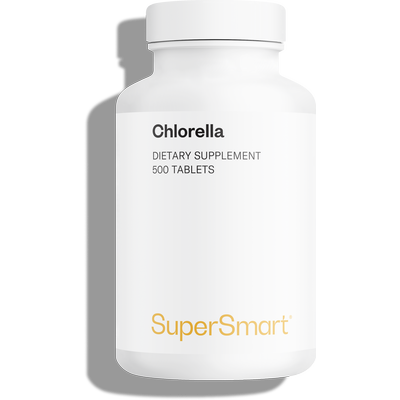
Chlorella is a green microalgae that is particularly rich in nutrients. It contains, in particular, protein, iron, chlorophyll and several vitamins. Its ability to bind certain heavy metals has been observed experimentally, notably in vitro (5).
 Chlorella features Yaeyama chlorella, produced in a controlled environment in Japan.
Vitamin C supports normal energy metabolism, helps reduce fatigue and protects cells against oxidative stress (6). An excellent choice for regaining vitality as winter draws to a close.
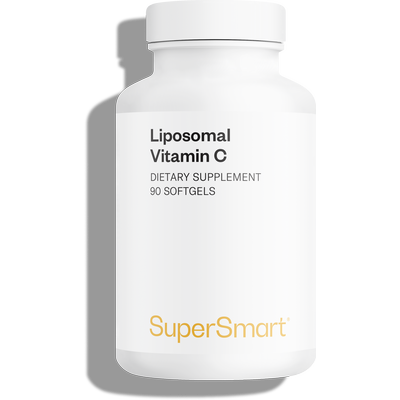
The vitamin C in Liposomal Vitamin C is encapsulated in lipid vesicles, which maximise its absorption by the body.
Magnesium, for its part, is involved in a wide range of enzymatic reactions. It contributes to the normal functioning of the nervous system, normal muscle function and the reduction of tiredness and fatigue (7).
OptiMag combines eight forms of magnesium with excellent bioavailability to provide a daily intake of 360 mg.
As the pollen season approaches, certain natural active ingredients have also been the subject of specific research. This is particularly the case for spirulina and greater butterbur, which have been evaluated in several clinical trials involving people suffering from allergic rhinitis (8–9).
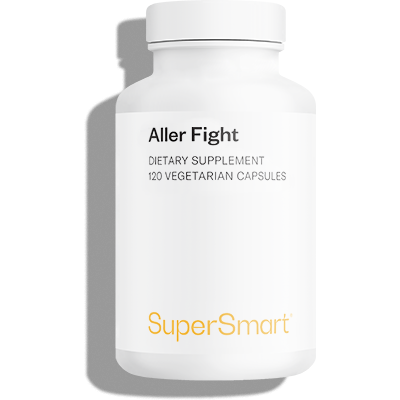
To this end, Aller Fight combines spirulina, greater butterbur, bromelain, astragalus and maritime pine extract, which supports respiratory health.
Summer: oxidative protection and regulation of the circadian rhythm
Protecting cells against increased sun exposure
Sunny days generally mean we spend more time outdoors. However, ultraviolet radiation can promote the formation of reactive oxygen species in exposed tissues (10).
Whilst your body has its own antioxidant defences, your diet also provides various compounds that contribute directly or indirectly to this balance, such as vitamins C and E, certain carotenoids and numerous polyphenols (11).
These include flavonoids, a vast family of plant molecules comprising, in particular, quercetin, anthocyanins and flavanols. To learn more about how they work, read our feature on the latest discoveries regarding flavonoids and ageing.
This nutritional strategy is, of course, no substitute for sun protection measures, namely limiting exposure during the hours of peak intensity, wearing suitable clothing and using sun protection.
Key active ingredients: antioxidants, flavonoids and melatonin
Vitamin E helps protect cells against oxidative stress. Certain carotenoids, such as beta-carotene, lutein and lycopene, have also been studied for their potential ability to enhance nutritional photoprotection (12). Combinations of rosemary and grapefruit polyphenols have also been the subject of research in this field (13).
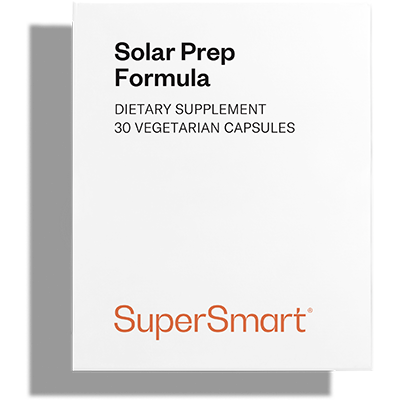
Solar Prep Formula tanning capsules combine, amongst other ingredients, beta-carotene, lutein, lycopene, vitamin E, zinc and Nutroxsun®, a standardised complex of rosemary and grapefruit extracts.
Summer also affects our relationship with light. Longer days delay the onset of darkness, which is an important signal for the night-time secretion of melatonin. Added to this may be heat, travel and disrupted holiday schedules, all of which can disturb sleep. Occasional melatonin supplementation may therefore be considered to help reduce the time taken to fall asleep (14).
The 1 mg Melatonin tablet takes effect within 30 to 60 minutes of taking it.
Autumn: preparing for reduced daylight and boosting immunity
Autumn marks a significant transition: the days are getting shorter, temperatures are falling and the time spent indoors is increasing. As well as preparing for the reduction in daylight, another aim is to provide your immune system with the nutrients it needs to function properly.
The importance of the gut microbiota in the immune response
The gut does not merely serve to absorb nutrients: it also acts as a key interface with the immune system. The microbiota – the collection of microorganisms inhabiting the digestive tract – is in constant communication with the immune cells present in the mucosa. Its bacteria and their metabolites play a key role in the maturation and regulation of immune responses, as well as in maintaining the intestinal barrier (15).
Short-chain fatty acids — such as butyrate, acetate and propionate — produced during the fermentation of fibre are one of the main channels for this communication (16).
Key active ingredients: probiotics, zinc and adaptogenic extracts
To ‘feed’ the beneficial gut bacteria, a diet rich in plant-based foods and fermentable fibre remains essential. Depending on your needs, probiotics can also complement this approach by enriching your gut flora with ‘friendly’ strains.
Probio Forte combines 5 probiotic strains in a gastro-resistant capsule, providing a total of 8 billion microorganisms per dose.
Zinc plays a role in numerous cellular processes. It contributes to the normal functioning of the immune system and helps protect cells against oxidative stress (17). When taking supplements, opt for a chelated form such as zinc bisglycinate: bound to two glycine molecules, the mineral is particularly well absorbed by the body and has greater bioavailability than some more traditional forms, such as gluconate (18).
Advanced Zinc Bisglycinate Lozenges provide 10 mg of zinc bisglycinate in the form of lozenges.
Autumn can also put your ability to adapt to the test, as you return to a busier routine after the summer holidays. So-called adaptogenic plants, such as rhodiola, which helps protect the body from stress; ginseng, which supports vitality; and astragalus, which helps the body defend itself against external agents, are traditionally used to support the body during periods of increased physical or mental strain (19–21).
Adaptix combines eight adaptogenic extracts, including rhodiola, ashwagandha, ginseng, astragalus and schisandra, in a synergistic formula.
Winter: counteracting the lack of sunlight and supporting energy metabolism
Countering seasonal fatigue with targeted supplementation
Fatigue, respiratory infections, reduced exposure to light: winter puts the body under strain on several fronts. The priority, therefore, is to ensure an adequate intake of micronutrients involved in energy metabolism, muscle function and the reduction of fatigue, such as magnesium or vitamins B and C (22).
Vitamin D also warrants particular attention. It contributes to the normal functioning of the immune system, as well as to the maintenance of normal muscle function and bone health (23). The problem is that its synthesis in the skin depends on UVB rays and decreases significantly when exposure to sunlight is insufficient. ANSES has set the nutritional reference value for the adult population at 15 µg per day (24).
Key active ingredients to prioritise: vitamin D3, omega-3 and spirulina
When taking supplements, opt for vitamin D3 (cholecalciferol), which is generally more effective than D2 at raising and maintaining vitamin D levels (25). As it is fat-soluble, it is best taken in an oil-based form, which aids its solubility and absorption in the digestive tract (26).
Vitamin D3 5000 IU provides 5,000 IU of vitamin D3 per oil-based capsule.
Omega-3 fatty acids EPA and DHA are also beneficial during the winter months, particularly for people experiencing low mood. These fatty acids, and DHA in particular, play an important role in the structure and function of neuronal membranes (27). They are also the subject of extensive research into mood, with particularly interesting results for formulations containing sufficient levels of EPA (28).
Super Omega 3 combines EPA and DHA in a pure and stable formula.
Spirulina is packed with protein, phycocyanin and numerous micronutrients (iron, copper, manganese, B vitamins, etc.) in a small volume (29). It is therefore particularly useful in winter to supplement a diet that is often less varied.
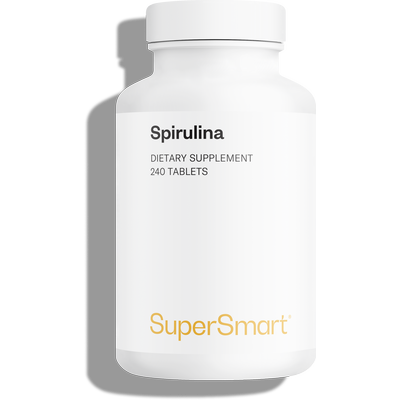
Spirulina is made from spirulina sourced from aquaculture that is rigorously monitored in accordance with exacting standards of quality and purity.
The arrival of winter also brings immunity back to the forefront. Certain plants are particularly suited to this purpose, such as echinacea, traditionally used to support the body’s natural defences (30).
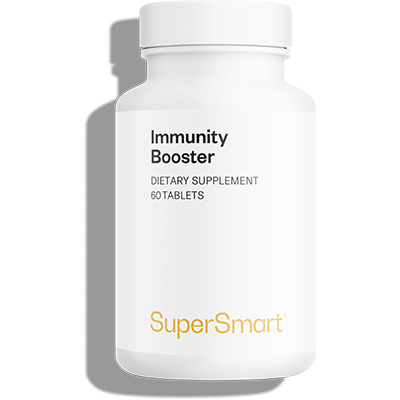
Immunity Booster therefore combines organic echinacea, beta-glucans, vitamin C and zinc in a synergistic formula.
Frequently asked questions about the supplementation schedule
Should you take a break between each seasonal course of treatment?
Not necessarily. The appropriate duration of each course of treatment depends on the nutrient, the dose and your individual circumstances. Some supplements are designed to be taken for a few weeks, whilst others can be continued for longer depending on your needs. Just remember to regularly reassess whether they are still beneficial.
Is it a good idea to combine several active ingredients when the seasons change?
Yes, provided that the combination makes sense and the doses remain appropriate. Combining several active ingredients is actually a sensible strategy, as it allows you to target the same physiological function through complementary pathways.
This is precisely the principle behind synergistic formulas, which combine several nutrients within a single supplement and offer the added practical benefit of convenience. However, if you choose to take several separate supplements, avoid taking the same vitamins or minerals in multiple products so that you can keep track of your total intake.
Dietary supplements are not a substitute for a varied and balanced diet or a healthy lifestyle. If you are unwell, taking medication, or are pregnant or breastfeeding, seek advice from a healthcare professional.
SUPERSMART ADVICE
References
- Wehr TA. The durations of human melatonin secretion and sleep respond to changes in daylength (photoperiod). J Clin Endocrinol Metab. 1991 Dec;73(6):1276-80. doi: 10.1210/jcem-73-6-1276. PMID: 1955509. 🔗
- Kasahara AK, Singh RJ, Noymer A. Vitamin D (25OHD) Serum Seasonality in the United States. PLoS One. 2013 Jun 21;8(6):e65785. doi: 10.1371/journal.pone.0065785. PMID: 23805188; PMCID: PMC3689782. 🔗
- Sevior DK, Pelkonen O, Ahokas JT. Hepatocytes: the powerhouse of biotransformation. Int J Biochem Cell Biol. 2012 Feb;44(2):257-61. doi: 10.1016/j.biocel.2011.11.011. Epub 2011 Nov 20. PMID: 22123318. 🔗
- Choi YJ, Lee KS, Oh JW. The Impact of Climate Change on Pollen Season and Allergic Sensitization to Pollens. Immunol Allergy Clin North Am. 2021 Feb;41(1):97-109. doi: 10.1016/j.iac.2020.09.004. Epub 2020 Nov 5. PMID: 33228876. 🔗
- López-Suárez CE, Castro-Romero JM, González-Rodríguez MV, González-Soto E, Pérez-Iglesias J, Seco-Lago HM, Fernández-Solís JM. Study of the parameters affecting the binding of metals in solution by Chlorella vulgaris. Talanta. 2000 Jan 10;50(6):1313-8. PMID: 18967829. 🔗
- Alberts A, Moldoveanu ET, Niculescu AG, Grumezescu AM. Vitamin C: A Comprehensive Review of Its Role in Health, Disease Prevention, and Therapeutic Potential. Molecules. 2025 Feb 6;30(3):748. doi: 10.3390/molecules30030748. PMID: 39942850; PMCID: PMC11820684. 🔗
- Pickering G, Mazur A, Trousselard M, Bienkowski P, Yaltsewa N, Amessou M, Noah L, Pouteau E. Magnesium Status and Stress: The Vicious Circle Concept Revisited. Nutrients. 2020 Nov 28;12(12):3672. doi: 10.3390/nu12123672. PMID: 33260549; PMCID: PMC7761127. 🔗
- Cingi C, Conk-Dalay M, Cakli H, Bal C. The effects of spirulina on allergic rhinitis. Eur Arch Otorhinolaryngol. 2008 Oct;265(10):1219-23. doi: 10.1007/s00405-008-0642-8. Epub 2008 Mar 15. PMID: 18343939. 🔗
- Schapowal A; Petasites Study Group. Butterbur Ze339 for the treatment of intermittent allergic rhinitis: dose-dependent efficacy in a prospective, randomized, double-blind, placebo-controlled study. Arch Otolaryngol Head Neck Surg. 2004 Dec;130(12):1381-6. doi: 10.1001/archotol.130.12.1381. PMID: 15611396. 🔗
- Wei M, He X, Liu N, Deng H. Role of reactive oxygen species in ultraviolet-induced photodamage of the skin. Cell Div. 2024 Jan 12;19(1):1. doi: 10.1186/s13008-024-00107-z. PMID: 38217019; PMCID: PMC10787507. 🔗
- Fernández-García E. Skin protection against UV light by dietary antioxidants. Food Funct. 2014 Sep;5(9):1994-2003. doi: 10.1039/c4fo00280f. PMID: 24964816. 🔗
- Heinrich U, Gärtner C, Wiebusch M, Eichler O, Sies H, Tronnier H, Stahl W. Supplementation with beta-carotene or a similar amount of mixed carotenoids protects humans from UV-induced erythema. J Nutr. 2003 Jan;133(1):98-101. doi: 10.1093/jn/133.1.98. PMID: 12514275. 🔗
- Nobile V, Michelotti A, Cestone E, Caturla N, Castillo J, Benavente-García O, Pérez-Sánchez A, Micol V. Skin photoprotective and antiageing effects of a combination of rosemary (Rosmarinus officinalis) and grapefruit (Citrus paradisi) polyphenols. Food Nutr Res. 2016 Jul 1;60:31871. doi: 10.3402/fnr.v60.31871. PMID: 27374032; PMCID: PMC4931025. 🔗
- Ferracioli-Oda E, Qawasmi A, Bloch MH. Meta-analysis: melatonin for the treatment of primary sleep disorders. PLoS One. 2013 May 17;8(5):e63773. doi: 10.1371/journal.pone.0063773. PMID: 23691095; PMCID: PMC3656905. 🔗
- Belkaid Y, Harrison OJ. Homeostatic Immunity and the Microbiota. Immunity. 2017 Apr 18;46(4):562-576. doi: 10.1016/j.immuni.2017.04.008. PMID: 28423337; PMCID: PMC5604871. 🔗
- Mann ER, Lam YK, Uhlig HH. Short-chain fatty acids: linking diet, the microbiome and immunity. Nat Rev Immunol. 2024 Aug;24(8):577-595. doi: 10.1038/s41577-024-01014-8. Epub 2024 Apr 2. PMID: 38565643. 🔗
- Wessels I, Fischer HJ, Rink L. Dietary and Physiological Effects of Zinc on the Immune System. Annu Rev Nutr. 2021 Oct 11;41:133-175. doi: 10.1146/annurev-nutr-122019-120635. Epub 2021 Jul 13. PMID: 34255547. 🔗
- Devarshi PP, Mao Q, Grant RW, Hazels Mitmesser S. Comparative Absorption and Bioavailability of Various Chemical Forms of Zinc in Humans: A Narrative Review. Nutrients. 2024 Dec 11;16(24):4269. doi: 10.3390/nu16244269. PMID: 39770891; PMCID: PMC11677333. 🔗
- Ishaque S, Shamseer L, Bukutu C, Vohra S. Rhodiola rosea for physical and mental fatigue: a systematic review. BMC Complement Altern Med. 2012 May 29;12:70. doi: 10.1186/1472-6882-12-70. PMID: 22643043; PMCID: PMC3541197. 🔗
- Arring NM, Millstine D, Marks LA, Nail LM. Ginseng as a Treatment for Fatigue: A Systematic Review. J Altern Complement Med. 2018 Jul;24(7):624-633. doi: 10.1089/acm.2017.0361. Epub 2018 Apr 6. PMID: 29624410. 🔗
- Zhang X, Qu X, Zou Y. The Effect of Astragalus on Humoral and Cellular Immune Response: A Systematic Review and Meta-Analysis of Human Studies. Complement Med Res. 2023;30(6):535-543. doi: 10.1159/000534826. Epub 2023 Nov 10. PMID: 37952511. 🔗
- Tardy AL, Pouteau E, Marquez D, Yilmaz C, Scholey A. Vitamins and Minerals for Energy, Fatigue and Cognition: A Narrative Review of the Biochemical and Clinical Evidence. Nutrients. 2020 Jan 16;12(1):228. doi: 10.3390/nu12010228. PMID: 31963141; PMCID: PMC7019700. 🔗
- EFSA Panel on Dietetic Products, Nutrition and Allergies (NDA). Scientific Opinion on the substantiation of health claims related to vitamin D and normal function of the immune system and inflammatory response (ID 154, 159), maintenance of normal muscle function (ID 155) and maintenance of normal cardiovascular function (ID 159) pursuant to Article 13(1) of Regulation (EC) No 1924/2006. EFSA Journal. 2010;8(2):1468. doi: 10.2903/j.efsa.2010.1468. 🔗
- Anses. Vitamine D : pourquoi et comment assurer un apport suffisant ? Agence nationale de sécurité sanitaire de l’alimentation, de l’environnement et du travail. 🔗
- van den Heuvel EG, Lips P, Schoonmade LJ, Lanham-New SA, van Schoor NM. Comparison of the Effect of Daily Vitamin D2 and Vitamin D3 Supplementation on Serum 25-Hydroxyvitamin D Concentration (Total 25(OH)D, 25(OH)D2, and 25(OH)D3) and Importance of Body Mass Index: A Systematic Review and Meta-Analysis. Adv Nutr. 2024 Jan;15(1):100133. doi: 10.1016/j.advnut.2023.09.016. Epub 2023 Oct 20. PMID: 37865222; PMCID: PMC10831883. 🔗
- Grossmann RE, Tangpricha V. Evaluation of vehicle substances on vitamin D bioavailability: a systematic review. Mol Nutr Food Res. 2010 Aug;54(8):1055-61. doi: 10.1002/mnfr.200900578. PMID: 20425758; PMCID: PMC3033429. 🔗
- Dyall SC. Long-chain omega-3 fatty acids and the brain: a review of the independent and shared effects of EPA, DPA and DHA. Front Aging Neurosci. 2015 Apr 21;7:52. doi: 10.3389/fnagi.2015.00052. PMID: 25954194; PMCID: PMC4404917. 🔗
- Kelaiditis CF, Gibson EL, Dyall SC. Effects of long-chain omega-3 polyunsaturated fatty acids on reducing anxiety and/or depression in adults; A systematic review and meta-analysis of randomised controlled trials. Prostaglandins Leukot Essent Fatty Acids. 2023 May;192:102572. doi: 10.1016/j.plefa.2023.102572. Epub 2023 Apr 2. PMID: 37028202. 🔗
- Podgórska-Kryszczuk I. Spirulina-An Invaluable Source of Macro- and Micronutrients with Broad Biological Activity and Application Potential. Molecules. 2024 Nov 15;29(22):5387. doi: 10.3390/molecules29225387. PMID: 39598773; PMCID: PMC11596570. 🔗
- Ahmadi F. Phytochemistry, Mechanisms, and Preclinical Studies of Echinacea Extracts in Modulating Immune Responses to Bacterial and Viral Infections: A Comprehensive Review. Antibiotics (Basel). 2024 Oct 9;13(10):947. doi: 10.3390/antibiotics13100947. PMID: 39452214; PMCID: PMC11504277. 🔗




6 Days
Heldere info
Heldere info
HanS.
6 Days
Snelle levering
Snelle levering
harrie
11 Days
Adequate info en hoge kwaliteit
Adequate info en hoge kwaliteit
HanS.
21 Days
Supplementen zijn goed.
Supplementen zijn goed. Zachte prijzen. Website met problemen ( altijd ) niet goed voor nieuwe klanten.
Gino RJ
30 Days
Alles op tijd geleverd.
Alles op tijd geleverd. De producten worden alsmaar duurder, terwijl mijn pensioen niet meer stijgt. Vandaar kan ik alsmaar minder vaak bestellen.
Wouters
1101 Days
Great service
Great service
Ryszard
1113 Days
Profesjonalna obsługa
Bardzo dobre i rzeczowe opisy. Profesjonalna obsługa.
PIEKOSZEWSKI Chris
1781 Days
Wszystko OK!
Wszystko poszło jak powinno 🙂
SITKIEWICZ Pawel
2568 Days
Szybko sprawnie bez problemów
Szybko sprawnie bez problemów
Marek
of experience
your money back
##montant## purchase