0
en
US
WSM
436534694

Features

Combining vitamins and magnesium: synergy, benefits and selection criteria

11/19/2026

Vitamins and magnesium often go hand in hand in dietary supplements designed to tackle fatigue. But how effective is this combination really, and which formula should you choose?

📌︎ Key takeaways
  • ✓Vitamin B6 and magnesium both help reduce fatigue and support the normal functioning of the nervous system.
  • ✓B vitamins and magnesium work together in cellular energy production.
  • ✓Magnesium helps maintain normal muscle function and bone health, roles it shares in particular with vitamin D.
  • ✓The form of magnesium matters: bisglycinate is better tolerated than oxide, at equal doses.
  • ✓Spreading magnesium intake throughout the day can aid absorption, as the gut absorbs smaller doses more effectively.


Read article
Features

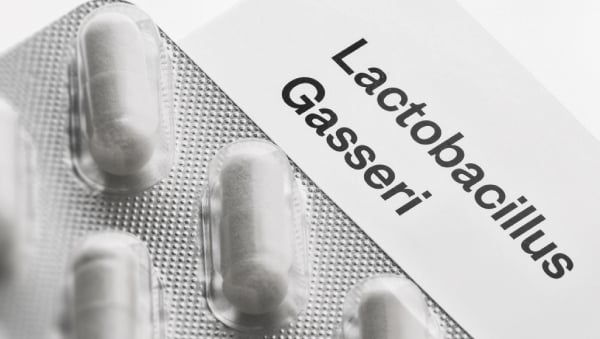
Lactobacillus probiotics: the complete guide to balancing your gut microbiota

Gasseri, rhamnosus, reuteri, acidophilus… The Lactobacillus family comprises probiotics with different characteristics. Find out how to choose the strains best suited to your needs.

📌︎ Key takeaways
  • ✓Lactobacillus, or lactobacilli, are lactic acid bacteria found in the gut and intimate flora.
  • ✓Their biological effects depend not only on the species but also on the strain.
  • ✓Lactobacillus gasseri has been extensively studied in relation to metabolism and body composition.
  • ✓Lactobacillus rhamnosus GG (LGG) is one of the best-documented strains in terms of digestive comfort and the gut barrier.
  • ✓Lactobacillus reuteri is the subject of research in several areas, including lipid metabolism.
  • ✓CFU, viability and protection against gastric acidity are key quality criteria.

11/11/2026

Vitamin B12 reference ranges: how to interpret your blood test results?

Vitamin B12, or cobalamin, contributes to cell division and the functioning of the nervous system. With changing dietary habits, monitoring your B12 status is becoming essential. But how do you interpret your blood test results?

📌︎ Key points
  • ✓Vitamin B12 contributes, amongst other things, to the normal functioning of the nervous system, the normal formation of red blood cells and the process of cell division.
  • ✓A level below 180 pg/mL may indicate a vitamin B12 deficiency, whilst a level between 180 and 350 pg/mL may suggest a possible deficiency.
  • ✓Holotranscobalamin, methylmalonic acid (MMA) and homocysteine can supplement the blood test when the results are unclear.
  • ✓Vegetarians, vegans, older people and those with malabsorption disorders are at greater risk of vitamin B12 deficiency.
  • ✓Foods of animal origin are the primary source of B12. Supplementation tailored to individual needs may be considered where intake is insufficient or in certain high-risk situations.

11/04/2026

High blood pressure: a clinical study evaluates olive leaf extract

Traditionally associated with cardiovascular health, the olive leaf is the subject of clinical research. A new study involving 621 patients with high blood pressure assesses the effects of olive leaf extract on blood pressure.

📌︎ Key takeaways
  • ✓A randomised, placebo-controlled trial assessed olive leaf extract in 621 patients already being treated for high blood pressure, over a 12-week period.
  • ✓Blood pressure was measured over a 24-hour period, both during the day and at night.
  • ✓Mean systolic blood pressure fell by 6.4 mmHg with the extract, compared with 1.5 mmHg with the placebo.
  • ✓These results add to our understanding, but need to be confirmed.
  • ✓A supplement is not a substitute for antihypertensive treatment. Seek advice before taking any supplements and never alter your treatment without medical advice.

10/21/2026

AMD: a large-scale study explores an unexpected role for melatonin

Best known for its role in the sleep-wake cycle, melatonin may also affect eyesight. A large-scale study of medical records has recently revealed an unexpected association between regular melatonin intake and a reduced risk of developing AMD.

📌︎ Key takeaways
  • ✓A large-scale US study investigated the link between melatonin and age-related macular degeneration (AMD) using data from over 180,000 medical records.
  • ✓Regular use of melatonin was associated with a lower risk of developing AMD.
  • ✓In people already living with dry AMD, it was also associated with a lower risk of progression to exudative AMD.
  • ✓This observational study provides promising scientific evidence, but does not allow us to conclude that there is a cause-and-effect relationship.
  • ✓Melatonin is no substitute for regular eye check-ups or prescribed treatments, but it represents an interesting avenue of research into retinal ageing.

10/14/2026
Secure payment
34 years
of experience
Satisfied or
your money back
Fast delivery
Free delivery from
##montant## purchase